Young Americans News Consumption: Impact on Cultural Discourse 2026
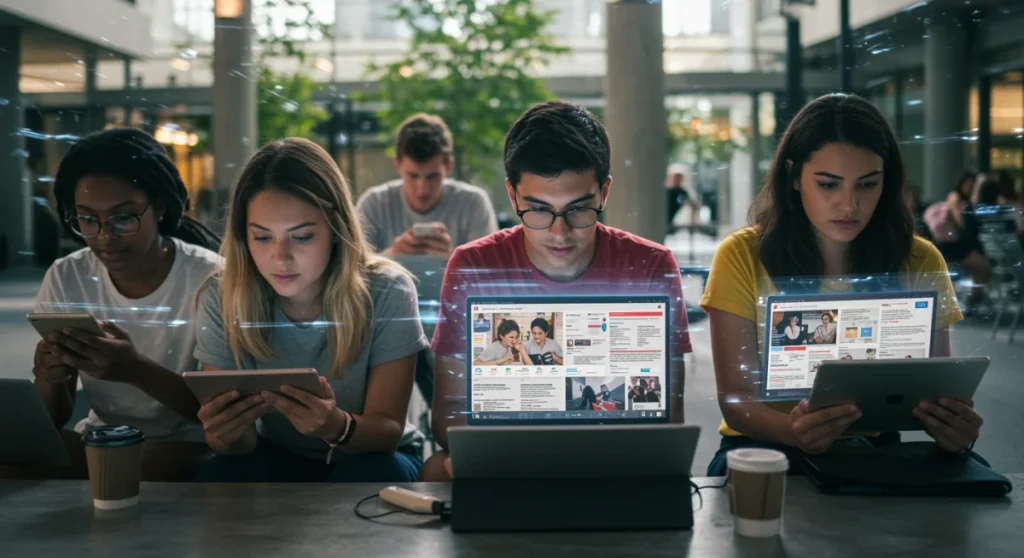
The consumption of news by 25% of young Americans significantly reshapes cultural discourse in 2026, driven by digital platforms and personalized algorithms, influencing societal narratives and civic engagement.
Navigating the New Media Landscape: How 25% of Young Americans Consume News and Its Effect on Cultural Discourse in 2026 is more than just a statistic; it’s a profound shift in how information shapes our society. This demographic, often dubbed ‘digital natives,’ isn’t just passively receiving news; they are actively engaging with, sharing, and even creating it, fundamentally altering the fabric of our cultural conversations.
The evolving media consumption habits of young americans
The way young Americans engage with news has undergone a radical transformation over the past decade, accelerating into 2026. Traditional news outlets, while still holding some sway, have largely been supplanted by digital-first platforms. This shift is not merely a preference for convenience; it reflects a deeper integration of news into their daily digital lives.
For this crucial 25% of young Americans, news consumption is often a byproduct of their social media interactions rather than a deliberate search for information. Platforms like TikTok, Instagram, and X (formerly Twitter) serve as primary gateways, presenting news in digestible, often visual, formats. The immediacy and constant flow of these platforms align perfectly with the fast-paced digital rhythms of this generation.
Social media as a primary news source
Social media’s dominance as a news source for young Americans is undeniable. It’s where they discover breaking stories, engage in discussions, and encounter diverse perspectives, sometimes for the first time. This ecosystem fosters a unique blend of news, entertainment, and personal opinion, blurring traditional lines.
- Algorithmic Curation: News feeds are tailored to individual preferences, potentially creating echo chambers.
- Influencer Journalism: Content creators and online personalities often break and analyze news, becoming trusted sources.
- Visual Storytelling: Short-form videos and infographics are preferred over long-form articles.
Beyond social feeds: other digital avenues
While social media reigns, other digital platforms also play significant roles. Podcasts, newsletters, and specialized online communities offer deeper dives into specific topics, catering to niche interests. These platforms allow for a more curated and often more in-depth exploration of news, appealing to those seeking more than just headlines.
The rise of independent journalists and citizen reporters on platforms like Substack and Patreon also signifies a move away from institutional journalism. Young Americans are increasingly willing to support creators whose perspectives resonate with them, fostering a more direct relationship between content producers and consumers.
In essence, the news consumption habits of young Americans in 2026 are characterized by a preference for digital, personalized, and often social experiences. This multifaceted approach to information gathering has profound implications for how cultural discourse is shaped and propagated.
The impact on cultural discourse and public opinion
The fundamental shift in how young american news consumption occurs has a ripple effect on cultural discourse, influencing everything from political engagement to social norms. When news is primarily consumed through personalized algorithms and peer networks, the collective understanding of reality can become fragmented.
One significant consequence is the increased polarization of public opinion. Algorithms, designed to maximize engagement, often feed users content that reinforces their existing beliefs, leading to echo chambers. This can make it harder for individuals to encounter diverse viewpoints or engage in constructive dialogue with those holding differing opinions.
Echo chambers and filter bubbles
The phenomenon of echo chambers and filter bubbles is particularly pronounced among young news consumers. Their digital environments are often curated to their tastes, meaning they might primarily see news that aligns with their existing political or social stances. This can lead to a skewed perception of public sentiment and reality.
- Reinforced Beliefs: Exposure primarily to confirming information strengthens pre-existing biases.
- Reduced Empathy: Less exposure to alternative viewpoints can decrease understanding and empathy for others.
- Information Gaps: Important news stories outside their algorithmic bubble might be missed entirely.
The speed and spread of information (and misinformation)
The rapid dissemination of news on digital platforms, while offering immediacy, also poses challenges. Misinformation and disinformation can spread with alarming speed, often outpacing factual corrections. Young Americans, while digitally savvy, are not immune to these challenges, sometimes struggling to discern credible sources from unreliable ones.
The constant stream of information also contributes to a sense of urgency and emotional intensity in public discourse. Hot takes and viral content often overshadow nuanced reporting, leading to a more reactive and less reflective engagement with complex issues. This environment can make it difficult for thoughtful, long-term solutions to gain traction.
Ultimately, the way young Americans consume news in 2026 profoundly shapes the landscape of cultural discourse. It fosters both unprecedented connectivity and potential fragmentation, demanding a critical approach to information and a conscious effort to bridge divides.
The role of platforms and algorithms in shaping narratives
The platforms themselves, and the algorithms that power them, are not neutral conduits of information; they are active shapers of narratives. For the 25% of young Americans relying heavily on these digital spaces for their news, understanding this dynamic is crucial. The choices made by platform developers and the logic embedded in their algorithms directly influence what news reaches users and how it is perceived.
Algorithms prioritize engagement, often favoring content that elicits strong emotional responses or generates high interaction rates. This can inadvertently elevate sensationalized news, opinion pieces, or content designed to provoke, over more balanced or in-depth reporting. The result is a media diet that might be stimulating but lacks nutritional value in terms of comprehensive understanding.
Algorithmic bias and content amplification
Algorithmic bias is a significant concern. These systems are trained on vast datasets, and if those datasets reflect societal biases, the algorithms can perpetuate or even amplify them. This can lead to certain narratives being overrepresented while others are marginalized, impacting how young Americans understand diverse communities and global events.
- Personalized Feeds: Algorithms learn user preferences, curating a unique news experience for each individual.
- Engagement Metrics: Content that generates likes, shares, and comments is often boosted, regardless of its factual accuracy.
- Monetization Models: Platform business models often incentivize content that keeps users on the platform longer, influencing content selection.
The rise of curated content and its implications
Beyond algorithms, human curation, often by influencers and content creators, also plays a critical role. Young Americans often trust these individuals more than traditional news organizations, viewing them as more authentic and relatable. This shift means that the interpretation and framing of news can be heavily influenced by individual perspectives, some of which may lack journalistic rigor.
The implications are far-reaching. When narratives are largely shaped by platforms and personal curators, the collective ability to establish common ground or agree on shared facts can erode. This makes it challenging to address complex societal issues that require broad consensus and a shared understanding of reality.
Challenges and opportunities for civic engagement
The unique news consumption patterns of young Americans in 2026 present both significant challenges and compelling opportunities for civic engagement. On one hand, the fragmented and often polarized nature of digital news can hinder informed participation. On the other, the accessibility and interactivity of these platforms offer new avenues for activism and community building.
One major challenge is the potential for civic disengagement due to information overload or fatigue. Constantly bombarded with news, much of it negative or overwhelming, some young people may tune out entirely. This can lead to apathy towards political processes and a reluctance to participate in traditional forms of civic action.
Bridging the information gap
Despite the challenges, digital platforms offer unprecedented opportunities for civic engagement. Young Americans can quickly mobilize around causes they care about, share information with their networks, and exert influence through online campaigns. The ease of access to information, even if fragmented, means that awareness of social and political issues can spread rapidly.

- Grassroots Mobilization: Social media facilitates rapid organization for protests, petitions, and awareness campaigns.
- Direct Advocacy: Young citizens can directly engage with politicians and policymakers through digital channels.
- Global Connectivity: Issues extend beyond local borders, fostering a sense of global civic responsibility.
Cultivating media literacy and critical thinking
A crucial opportunity lies in fostering robust media literacy and critical thinking skills. Equipping young Americans with the tools to evaluate sources, identify biases, and understand algorithmic influence is paramount. Educational initiatives, both formal and informal, can empower them to navigate the complex information landscape more effectively.
Furthermore, platforms themselves have a responsibility to implement features that promote healthier information consumption, such as clearer labeling of news sources, fact-checking integrations, and tools to combat misinformation. Encouraging diverse content discovery can also help broaden perspectives and foster more inclusive civic dialogue.
The future of civic engagement among young Americans hinges on their ability to harness the power of digital media while mitigating its inherent risks, transforming challenges into opportunities for meaningful participation.
Strategies for fostering informed citizens in a digital age
In an era where young american news consumption is heavily digital, developing effective strategies to foster informed citizens is more critical than ever. This involves a multi-pronged approach that addresses both individual skills and systemic changes within the media ecosystem. The goal is not to revert to old models but to adapt and thrive in the new media landscape.
Education plays a pivotal role. Integrating comprehensive media literacy programs into school curricula from an early age can equip young people with the foundational skills needed to critically evaluate information. This includes understanding source credibility, recognizing logical fallacies, and identifying manipulative tactics often employed in online content.
Empowering critical thinking and source evaluation
Beyond formal education, ongoing efforts are needed to empower young adults to continuously hone their critical thinking skills. This means encouraging skepticism, promoting cross-referencing of information, and teaching them how to identify different forms of bias, whether ideological, commercial, or algorithmic. Resources like reputable fact-checking websites and guides on media analysis can be invaluable tools.
- Diverse News Diet: Encourage consumption from a variety of sources, including those with different perspectives.
- Fact-Checking Tools: Promote the use of independent fact-checking organizations and browser extensions.
- Understanding Algorithms: Educate on how algorithms work and their potential impact on perceived reality.
The responsibility of platforms and content creators
Platforms themselves bear a significant responsibility in fostering an informed citizenry. This includes implementing stricter policies against misinformation, transparently labeling sponsored content, and investing in features that promote high-quality journalism. Content creators, particularly influencers, also have an ethical obligation to ensure accuracy and disclose any potential conflicts of interest.
Moreover, fostering environments that encourage civil discourse, rather than just engagement, is crucial. This could involve redesigning comment sections, promoting restorative dialogue practices, and penalizing abusive or divisive behavior. The aim is to create digital spaces where thoughtful exchange can flourish, even amidst differing opinions.
Ultimately, fostering informed citizens in this digital age requires a collaborative effort: individuals committed to critical inquiry, educators providing essential skills, and platforms acting as responsible stewards of information. Only then can the potential of digital media be fully realized for the betterment of cultural discourse.
Future outlook: trends and predictions for 2026 and beyond
As we look towards the future, the trends observed in young american news consumption in 2026 are likely to intensify, bringing both new challenges and innovative solutions. The landscape will continue to be defined by rapid technological advancements, evolving platform dynamics, and a persistent push for personalization. Understanding these trajectories is key to preparing for what lies ahead.
One clear prediction is the continued dominance of AI in shaping news feeds. Artificial intelligence will become even more sophisticated in curating content, potentially offering hyper-personalized news experiences. While this can enhance relevance, it also amplifies the need for AI literacy, helping users understand how these systems influence their perceptions.
Emerging technologies and news delivery
Emerging technologies like augmented reality (AR) and virtual reality (VR) could soon play a more significant role in news delivery. Immersive storytelling experiences could offer unprecedented levels of engagement, allowing young Americans to ‘step into’ news stories. This could revolutionize how empathy is generated and how complex events are understood, but also raises new ethical considerations for journalistic practice.
- AI-Powered Summaries: Automated tools will provide quick digests of complex news, catering to short attention spans.
- Interactive Data Visualization: News will become more interactive, allowing users to explore data directly.
- Decentralized News Models: Blockchain and other decentralized technologies could offer new ways to verify news authenticity.
The evolving definition of ‘news’
The very definition of ‘news’ will continue to evolve, especially for younger generations. The line between traditional journalism, influencer content, and entertainment will become increasingly blurred. News may be less about breaking headlines and more about ongoing narratives, community discussions, and personal relevance. This shift demands flexibility from news organizations and a willingness to experiment with new formats and distribution channels.
Moreover, there will likely be a growing demand for transparency and ethical reporting from both traditional and new media sources. As trust in institutions continues to be scrutinized, young Americans will increasingly seek out sources that demonstrate integrity, accountability, and a clear commitment to factual accuracy. This presents an opportunity for credible journalism to reassert its value in a crowded information space.
The future media landscape for young Americans in 2026 and beyond will be dynamic and complex. It will require continuous adaptation from individuals, educators, and media entities to ensure that information serves to enlighten and unite, rather than divide.
| Key Aspect | Brief Description |
|---|---|
| Digital Dominance | 25% of young Americans primarily consume news via social media and online platforms. |
| Algorithmic Influence | Algorithms personalize news feeds, impacting exposure to diverse viewpoints and potentially reinforcing biases. |
| Cultural Discourse Shift | This consumption pattern reshapes public opinion, civic engagement, and the spread of information/misinformation. |
| Media Literacy Need | Crucial to equip young citizens with skills to critically evaluate digital news sources and content. |
Frequently asked questions about young american news consumption
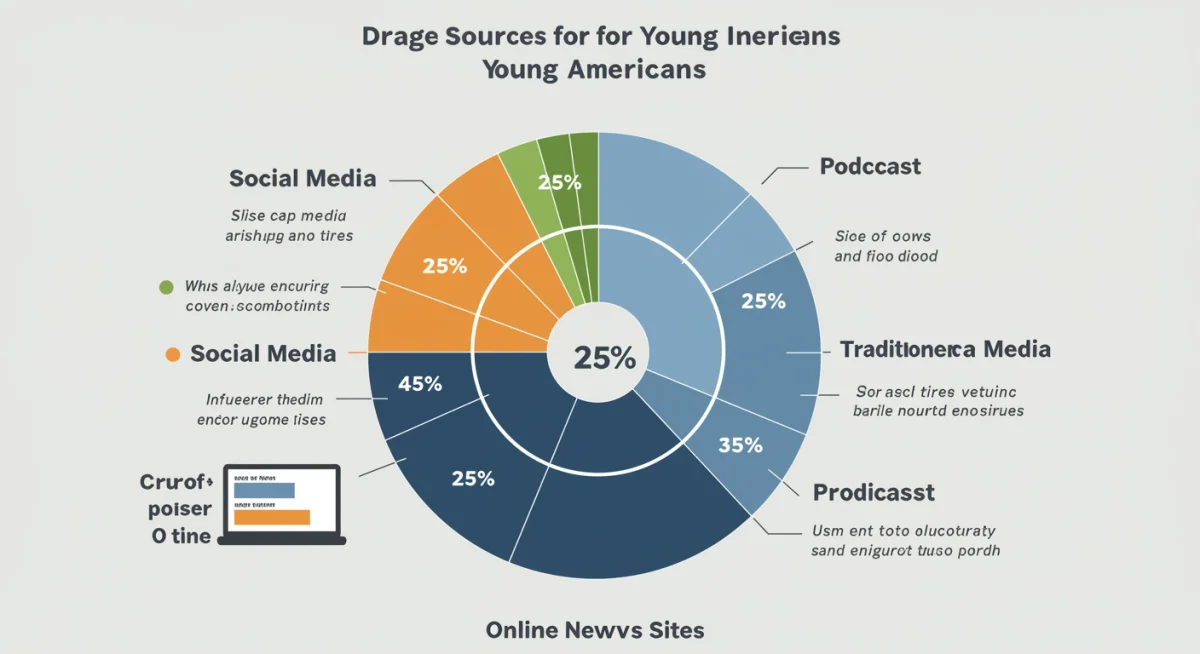
For a significant portion of young Americans, social media platforms like TikTok, Instagram, and X serve as their primary news sources. They also rely on online news websites, podcasts, and digital newsletters, often discovering content through their social networks rather than direct searches for traditional news outlets.
Algorithms play a crucial role by personalizing news feeds based on past interactions and preferences. This can lead to echo chambers, where users are primarily exposed to content that reinforces their existing beliefs, potentially limiting exposure to diverse perspectives and contributing to information silos.
The reliance on digital news sources profoundly shapes cultural discourse by influencing public opinion, civic engagement, and the spread of both factual and misleading information. It can lead to increased polarization but also offers new avenues for social mobilization and advocacy among young citizens.
Media literacy is the ability to access, analyze, evaluate, and create media in various forms. It’s crucial for young news consumers to critically assess sources, identify biases, and understand how digital platforms operate, enabling them to distinguish credible information from misinformation and disinformation.
Future trends indicate continued dominance of AI-driven personalization, potential integration of immersive technologies like AR/VR for news delivery, and an evolving definition of what constitutes ‘news.’ There will also be a growing demand for transparency and ethical reporting from all media sources.
Conclusion
The evolving landscape of young american news consumption, particularly among the 25% who rely heavily on digital platforms, represents a paradigm shift with far-reaching implications for cultural discourse in 2026. This digital-first approach, characterized by algorithmic curation and social interaction, simultaneously fosters unprecedented connectivity and presents challenges related to polarization and misinformation. As we move forward, the collective responsibility lies in cultivating media literacy, promoting critical thinking, and ensuring that digital platforms evolve to support a well-informed and engaged citizenry. The future of our cultural conversations depends on our ability to navigate these new media realities effectively.