US Electoral Landscape: 5 International Policy Shifts by 2026
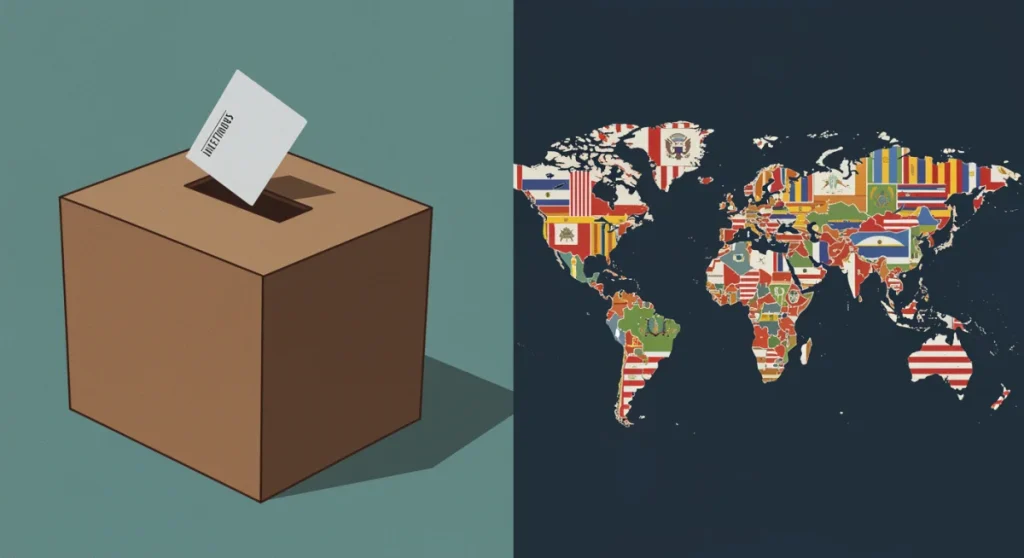
The U.S. electoral landscape is expected to drive five crucial international policy shifts by January 2026, profoundly reshaping global alliances, trade agreements, and geopolitical strategies.
The upcoming U.S. electoral cycle is more than just a domestic affair; its ripple effects are felt across the globe, dictating the course of international relations for years to come. By January 2026, the world will likely witness significant transformations in foreign policy, trade, and strategic alliances, directly influenced by the outcome of these elections. Understanding the U.S. electoral landscape: 5 international policy shifts expected by January 2026 is crucial for anyone seeking to navigate the complex tapestry of global affairs.
Realigning Transatlantic Alliances and NATO’s Future
The bedrock of post-World War II global security, transatlantic alliances, particularly NATO, face an uncertain future influenced by the shifting sands of U.S. political sentiment. Depending on the electoral outcome, the emphasis on collective defense and burden-sharing among NATO members could undergo substantial recalibration, affecting military deployments and strategic planning.
Recent years have seen debates over the financial contributions of member states and the strategic direction of the alliance. A new U.S. administration might double down on demands for increased defense spending from European partners, potentially straining relationships or, conversely, fostering greater European self-reliance in security matters.
Shifting Defense Priorities
The focus of military cooperation within NATO could pivot dramatically. While traditional threats from Russia remain paramount, emerging challenges such as cyber warfare, space security, and the rise of China as a global power are increasingly demanding attention.
- Increased European Autonomy: European nations may accelerate efforts to develop independent defense capabilities.
- Redefined NATO Mandate: The alliance’s role might expand to include non-traditional security threats more explicitly.
- Resource Reallocation: A potential shift in U.S. military resources from Europe to the Indo-Pacific region.
The political rhetoric preceding and following the U.S. elections will be critical in signaling these shifts. Allies will be closely watching for cues on whether the U.S. will maintain its traditional leadership role or adopt a more isolationist stance, compelling them to adapt their own foreign policy strategies accordingly. The implications for regional stability, particularly in Eastern Europe, cannot be overstated.
The Future of U.S.-China Economic and Trade Relations
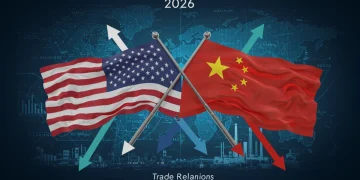
The intricate dance between the U.S. and China, the world’s two largest economies, is perpetually evolving, but the post-electoral period by January 2026 promises a potential paradigm shift. From tariffs to technology, the policy direction adopted by the new U.S. administration will profoundly influence global trade patterns, supply chains, and technological competition.
The current landscape is characterized by strategic competition, intellectual property disputes, and concerns over human rights. Any new policy framework will likely aim to address these issues, possibly through increased protectionism, targeted sanctions, or attempts at re-engagement on specific fronts.
Technology Decoupling and Supply Chain Resilience
One of the most significant areas of contention is technology, particularly semiconductors, artificial intelligence, and 5G infrastructure. The U.S. has increasingly sought to limit China’s access to advanced technologies, citing national security concerns.
- Enhanced Export Controls: Stricter regulations on technology exports to China are anticipated.
- Reshoring Initiatives: Incentives for U.S. companies to bring manufacturing back home or to allied nations.
- Digital Standards Wars: Competition to set global standards for emerging technologies.
Beyond technology, agricultural trade, intellectual property rights, and market access will remain key negotiation points. The overall approach will either exacerbate existing tensions, leading to further economic fragmentation, or seek a more balanced, albeit competitive, coexistence. Businesses and governments worldwide are preparing for various scenarios, from a continued trade war to cautious de-escalation, each with profound economic ramifications.
Middle East Diplomacy: New Alliances and Energy Policies
The Middle East, a region of enduring geopolitical significance, is consistently a focal point of U.S. foreign policy. By January 2026, the U.S. electoral outcome could usher in substantial changes to its diplomatic engagements, particularly concerning alliances, energy security, and regional conflicts.
The Abraham Accords, the Iran nuclear deal negotiations, and ongoing conflicts in various states represent a complex web of interests and commitments. A new administration might prioritize stability through stronger security partnerships, or conversely, shift focus, leading to re-evaluations of existing agreements and military presence.

Evolving Energy Strategies
Energy policy is intrinsically linked to U.S. engagement in the Middle East. As global energy markets evolve and the transition to renewable energy gains momentum, the U.S. approach to oil-producing nations in the region will inevitably adapt.
- Renewed Focus on Energy Independence: Policies aimed at reducing reliance on foreign oil.
- Support for Regional Energy Transitions: Encouraging Middle Eastern nations to invest in green energy.
- Strategic Petroleum Reserve Utilization: Changes in how the U.S. manages its strategic oil reserves to influence global prices.
The U.S. stance on the Israeli-Palestinian conflict and the broader regional security architecture will also be subject to review. Whether it leans towards a more interventionist or a more hands-off approach, the reverberations will be felt across the Middle East, influencing local power dynamics and potentially sparking new diplomatic initiatives or conflicts.
Climate Change and Environmental Governance: A Global Recommitment?
The U.S. position on climate change and international environmental agreements has seen significant fluctuations over recent administrations. By January 2026, the U.S. electoral outcome could dictate a renewed commitment to global climate action or a retreat from international environmental governance, impacting worldwide efforts to combat climate change.
The Paris Agreement, international climate finance, and regulations on emissions are all areas where U.S. leadership, or lack thereof, has profound consequences. The next administration’s approach will influence not only domestic environmental policies but also the willingness of other major emitters to comply with global targets.
International Climate Pledges and Green Technology
The global community is increasingly pressuring nations to meet ambitious climate goals. The U.S. role in this will be pivotal, particularly in areas like green technology development and climate adaptation funding.
- Re-engagement with International Bodies: Potential for stronger collaboration with UN climate initiatives.
- Investment in Green Technologies: Increased funding for renewable energy research and deployment.
- Carbon Border Adjustments: Consideration of tariffs on goods from countries with less stringent environmental regulations.
The economic implications of climate policy are vast, affecting industries from energy to agriculture. A U.S. administration that prioritizes climate action could spur significant international investment in sustainable development, while one that downplays its importance could undermine global efforts and accelerate environmental degradation. The choice will have long-lasting effects on the planet and its inhabitants.
Human Rights and Democratic Promotion Globally
The U.S. has historically positioned itself as a global advocate for human rights and democratic values. However, the consistency and intensity of this advocacy have varied. By January 2026, the U.S. electoral landscape could lead to a significant re-evaluation of how these principles are integrated into its foreign policy.
From supporting nascent democracies to imposing sanctions on authoritarian regimes, the tools of U.S. human rights diplomacy are diverse. A new administration might emphasize pragmatic state interests over ideological promotion, or conversely, elevate human rights to a central tenet of its international engagements.
Sanctions and International Law
The use of sanctions as a tool to promote human rights and democratic governance is a recurring theme in U.S. foreign policy. The effectiveness and ethical considerations of these measures are consistently debated.
- Targeted Sanctions: A focus on sanctioning individuals and entities responsible for human rights abuses.
- Multilateral Engagement: Working with allies to apply coordinated pressure on offending nations.
- Support for Civil Society: Increased funding and diplomatic support for human rights organizations globally.
The U.S. approach to international institutions like the International Criminal Court and the United Nations Human Rights Council will also provide clues to its broader human rights agenda. A robust commitment could bolster these bodies, while disengagement could weaken their effectiveness. The credibility of U.S. foreign policy on the world stage often hinges on its perceived consistency in upholding these universal values.
Global Health Initiatives and Pandemic Preparedness
The COVID-19 pandemic starkly highlighted the interconnectedness of global health and the critical role of international cooperation. By January 2026, the U.S. electoral outcome will likely shape its engagement with global health initiatives and its approach to future pandemic preparedness, influencing vaccine distribution, research funding, and international health regulations.
The U.S. has historically been a major contributor to global health funds and organizations, including the World Health Organization (WHO) and Gavi, the Vaccine Alliance. The next administration’s stance on multilateralism and global health security will determine the level of financial and diplomatic support offered to these crucial bodies.
Vaccine Diplomacy and Health Equity
The equitable distribution of vaccines and medical resources remains a significant challenge. U.S. policy in this area can either reinforce global health disparities or actively work to mitigate them.
- Increased Vaccine Manufacturing Capacity: Investment in global vaccine production hubs.
- Strengthened WHO Role: Potential for greater U.S. financial and political support for the WHO.
- Global Health Security Fund: Advocacy for and contributions to a dedicated fund for pandemic preparedness.
Beyond immediate pandemic response, long-term investments in health infrastructure, disease surveillance, and medical research will be critical. A U.S. administration that champions global health equity and robust international cooperation could significantly enhance the world’s ability to prevent, detect, and respond to future health crises. Conversely, a more inward-looking approach could leave the world vulnerable.
| Key Policy Area | Expected Shift by 2026 |
|---|---|
| Transatlantic Alliances | Potential for redefined NATO mandates and increased European defense autonomy. |
| U.S.-China Trade | Continued technology decoupling and efforts to strengthen supply chain resilience. |
| Middle East Diplomacy | Shifting energy strategies and re-evaluation of existing regional security agreements. |
| Climate Change Governance | Potential for renewed global climate action or a retreat from international environmental pacts. |
Frequently Asked Questions About U.S. International Policy Shifts
U.S. electoral outcomes could significantly alter NATO’s strategic focus, potentially leading to increased demands for European defense spending or a shift in U.S. resource allocation towards the Indo-Pacific. This might encourage greater European autonomy in security matters.
By 2026, expect continued technology decoupling, stricter export controls on advanced technologies, and incentives for reshoring manufacturing. The U.S. will likely prioritize supply chain resilience and compete to set global digital standards.
Middle East policy by 2026 may see shifts in energy strategies, potentially reducing reliance on foreign oil and encouraging regional green energy investments. Existing alliances and military presence could also be re-evaluated, impacting regional stability.
The U.S. electoral outcome could lead to a renewed commitment to global climate action, including re-engagement with international bodies and increased investment in green technologies, or a retreat from international environmental governance, affecting worldwide efforts.
By 2026, U.S. foreign policy could either elevate human rights as a central tenet, using targeted sanctions and multilateral engagement, or prioritize pragmatic state interests. This will influence international support for civil society and democratic movements.
Conclusion
The stakes of the upcoming U.S. electoral cycle extend far beyond domestic borders, casting a long shadow over the international arena. The five key policy shifts discussed—in transatlantic alliances, U.S.-China economic relations, Middle East diplomacy, climate change governance, and human rights promotion—represent critical junctures that will define global dynamics by January 2026. As the world watches, the decisions made at the ballot box will undoubtedly reshape alliances, reconfigure economic landscapes, and redefine the parameters of international cooperation for years to come. Understanding these potential shifts is not merely an academic exercise; it is an essential endeavor for policymakers, businesses, and citizens alike to prepare for an evolving global order.