U.S. Infrastructure Spending: $1.2 Trillion Allocations & Economic Benefits

The future of US infrastructure spending, encompassing $1.2 trillion in allocations, is set to deliver significant economic benefits and stimulate growth across various sectors over the next 18 months.
The United States is on the precipice of a transformative era for its foundational systems, with significant capital dedicated to revitalizing and modernizing critical networks. The conversation around US infrastructure spending has shifted from aspirational goals to tangible allocations, particularly with the $1.2 trillion commitment designed to bolster the nation’s economic landscape. This substantial investment is not merely about repairing aging roads and bridges, but also about laying the groundwork for sustained economic growth and enhanced global competitiveness over the coming 18 months.
Understanding the $1.2 Trillion Infrastructure Investment
The bipartisan Infrastructure Investment and Jobs Act (IIJA), signed into law in late 2021, represents the largest long-term investment in American infrastructure in generations. This monumental legislation allocates approximately $1.2 trillion over several years, with a significant portion earmarked for spending within the next 18 months, aiming to address decades of underinvestment and modernize the nation’s physical backbone.
This comprehensive package targets a wide array of infrastructure categories, from traditional projects like roads, bridges, and public transit to emerging areas such as broadband internet and electric vehicle charging networks. The immediate impact is expected to be felt across all states, with funds being distributed through established federal programs and new initiatives designed to accelerate project delivery.
Key Funding Allocations
The IIJA details specific allocations across various sectors, ensuring a broad and equitable distribution of funds. These allocations are designed to tackle critical needs while also fostering innovation and sustainability.
- Transportation: A substantial portion is dedicated to improving roads, bridges, and public transit, addressing long-standing maintenance backlogs and enhancing connectivity.
- Water Infrastructure: Significant funds are directed towards upgrading water pipes, removing lead service lines, and improving wastewater treatment facilities, ensuring cleaner and safer water for communities.
- Broadband Internet: A historic investment aims to expand access to affordable, high-speed internet to all Americans, bridging the digital divide and fostering economic opportunity.
- Power Grid: Resources are allocated to modernize the nation’s electric grid, making it more resilient to extreme weather and integrating renewable energy sources.
Understanding these allocations is crucial for grasping the potential reach and impact of this investment. It’s a strategic move to not only fix what’s broken but also build for the future, ensuring the US remains competitive on a global stage. The initial waves of funding are already being deployed, setting the stage for visible changes in communities nationwide.
Anticipated Economic Benefits and Job Creation
The infusion of $1.2 trillion into US infrastructure is expected to generate profound economic benefits, extending far beyond the immediate construction sector. Analysts predict a significant boost to GDP, increased productivity, and the creation of millions of jobs across various industries. This investment is seen as a long-term economic stimulus, designed to enhance the nation’s productive capacity and improve living standards.
Job creation is a cornerstone of the IIJA’s economic impact. Direct jobs will emerge in construction, engineering, and manufacturing, as projects get underway. However, the ripple effect will extend to indirect jobs in supply chains, logistics, and related support services. Induced jobs will also be created as workers spend their increased earnings, stimulating local economies.
Boosting Local Economies
The decentralized nature of infrastructure projects means that economic benefits will be distributed across urban, suburban, and rural areas. Local businesses will see increased demand for materials, equipment, and services, fostering growth and creating opportunities for small and medium-sized enterprises.
- Increased Demand: Local suppliers of construction materials, heavy machinery, and specialized services will experience a surge in demand.
- Small Business Growth: Small businesses, often critical to local economies, will benefit from subcontracts and increased consumer spending by project workers.
- Property Value Appreciation: Improved infrastructure, such as better roads and reliable internet, can lead to increased property values and attractiveness for new businesses.
Furthermore, enhanced infrastructure is expected to reduce transportation costs, improve supply chain efficiency, and attract new businesses, thereby boosting regional competitiveness. The economic multiplier effect of infrastructure spending is well-documented, indicating that every dollar invested can generate several dollars in economic activity. This comprehensive approach to investment aims to create a robust and resilient economy for decades to come, ensuring the US maintains its leadership position.
Modernizing Transportation Networks Across the Nation
A significant portion of the infrastructure investment is directed towards overhauling and modernizing the nation’s transportation networks. This includes not only repairing and upgrading existing roads and bridges but also investing in new technologies and sustainable transit options. The goal is to create a more efficient, safer, and environmentally friendly transportation system that can meet the demands of the 21st century economy.
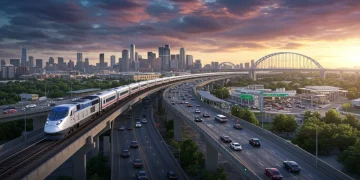
The focus extends beyond just asphalt and concrete. It encompasses intelligent transportation systems, electric vehicle charging infrastructure, and improvements to rail and public transit. These multifaceted enhancements are crucial for improving mobility for both people and goods, reducing congestion, and cutting down on carbon emissions.
Key Transportation Initiatives
Several key initiatives are being prioritized to transform the transportation landscape. These projects are designed to have a lasting impact on how Americans travel and how goods are moved across the country.
- Bridge Repair and Replacement: Thousands of structurally deficient bridges are slated for repair or replacement, enhancing safety and efficiency.
- Public Transit Expansion: Investments in public transportation aim to expand routes, modernize fleets, and improve accessibility, offering more sustainable commuting options.
- Electric Vehicle Infrastructure: A nationwide network of EV charging stations is being developed to accelerate the transition to electric vehicles and reduce reliance on fossil fuels.
These efforts are not just about addressing current deficiencies but also about anticipating future needs. By investing in modern transportation infrastructure, the US is positioning itself for sustained economic growth, improved public safety, and a reduced environmental footprint. The next 18 months will see a rapid acceleration of these projects, bringing tangible improvements to communities across the nation.
Enhancing Digital Connectivity and Energy Resilience
Beyond traditional infrastructure, the $1.2 trillion investment places a strong emphasis on modernizing digital connectivity and bolstering energy resilience. These areas are increasingly vital for economic competitiveness, national security, and daily life. The goal is to ensure that all Americans have access to reliable, high-speed internet and that the nation’s power grid is robust enough to withstand future challenges.
The digital divide, particularly in rural and underserved communities, has been a significant barrier to economic opportunity and educational advancement. The IIJA aims to close this gap through historic investments in broadband infrastructure. Simultaneously, efforts to upgrade the power grid will enhance its reliability, integrate more renewable energy sources, and protect against cyberattacks and extreme weather events.
Broadband Expansion Initiatives
The push for universal broadband access is a critical component of the infrastructure package, recognizing that internet access is no longer a luxury but a necessity.
- Rural Broadband Deployment: Funds are specifically allocated to extend high-speed internet to unserved and underserved rural areas, fostering economic development.
- Affordability Programs: Initiatives to make internet service more affordable for low-income households are also being implemented, ensuring equitable access.
- Digital Literacy Training: Complementary programs will help individuals and communities develop the skills needed to effectively utilize digital resources.
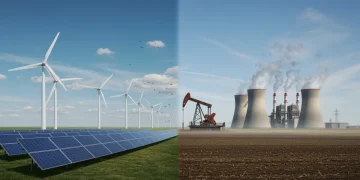
Similarly, investments in the energy sector are designed to create a more resilient and sustainable power system. This includes upgrading aging transmission lines, deploying smart grid technologies, and supporting the development of clean energy projects. These investments are crucial for ensuring the nation’s long-term energy security and meeting climate goals, while also creating new jobs in the green energy sector.
Challenges and Opportunities in Project Implementation
While the $1.2 trillion infrastructure investment presents immense opportunities, its successful implementation is not without challenges. Navigating complex regulatory environments, managing supply chain disruptions, and ensuring a skilled workforce are critical factors that will influence the pace and effectiveness of project delivery. However, these challenges also open doors for innovation and strategic partnerships.
One of the primary hurdles is the sheer scale and complexity of coordinating thousands of projects across different states and localities. Efficient project management, transparent oversight, and effective collaboration between federal, state, and local governments will be essential. Furthermore, the current economic climate, marked by inflation and labor shortages, adds another layer of complexity to project execution.
Overcoming Implementation Obstacles
Addressing these challenges requires a multifaceted approach that combines strategic planning with agile execution.
- Workforce Development: Investing in training programs and apprenticeships to build a skilled labor force capable of undertaking these ambitious projects.
- Supply Chain Resilience: Diversifying supply chains and fostering domestic manufacturing to mitigate the impact of global disruptions on material availability and costs.
- Streamlined Permitting: Implementing measures to expedite the permitting process while maintaining environmental and safety standards.
Despite these challenges, the opportunities presented by this investment are transformative. It’s a chance to rebuild not just physical infrastructure but also to foster economic growth, create sustainable jobs, and enhance the nation’s global competitiveness. The next 18 months will be a crucial period for demonstrating the effectiveness of this historic commitment, setting precedents for future large-scale public works projects.
Long-Term Impact and Future Outlook of Infrastructure Spending
The $1.2 trillion infrastructure investment is designed to have a lasting impact, shaping the US economy and society for decades to come. While the immediate benefits of job creation and economic stimulus are significant, the long-term outlook focuses on enhanced productivity, improved quality of life, and a more resilient nation. This strategic outlay is a down payment on the future, recognizing that robust infrastructure is fundamental to sustained prosperity.
Improved infrastructure will reduce business costs, facilitate trade, and make the US a more attractive place for investment. For individuals, it means safer roads, cleaner water, faster internet, and more efficient public services. These improvements collectively contribute to a higher standard of living and increased economic dynamism, preparing the country for future challenges and opportunities.
Sustaining the Momentum
To maximize the long-term benefits, ongoing commitment and strategic planning beyond the initial 18-month spending window will be crucial. This includes continuous maintenance, adaptation to new technologies, and proactive planning for future infrastructure needs.
- Maintenance and Upgrade Cycles: Establishing sustainable funding mechanisms for ongoing maintenance and periodic upgrades to ensure infrastructure remains in optimal condition.
- Technological Integration: Continuously integrating new technologies, such as AI and advanced materials, to enhance efficiency and resilience.
- Climate Resilience Planning: Incorporating climate change considerations into all future infrastructure planning and development to build more resilient systems.
The future of US infrastructure spending is not a one-time event but an ongoing commitment to national progress. The $1.2 trillion allocation is a powerful catalyst, igniting a wave of development that will redefine the nation’s physical and digital landscapes. The next 18 months will be pivotal in demonstrating the tangible benefits and setting the trajectory for a stronger, more connected, and more prosperous America.
| Key Aspect | Brief Description |
|---|---|
| Total Allocation | $1.2 trillion committed by the Infrastructure Investment and Jobs Act (IIJA). |
| Key Sectors | Transportation, water, broadband, and power grid modernization. |
| Economic Impact | Expected GDP boost, millions of jobs, and increased productivity. |
| Timeline for Impact | Significant benefits and project acceleration anticipated within the next 18 months. |
Frequently Asked Questions About US Infrastructure Spending
The IIJA is a bipartisan law passed in 2021, committing $1.2 trillion to upgrade America’s infrastructure. It is the largest federal investment in infrastructure in decades, targeting various sectors from transportation to broadband, aiming for long-term economic growth and modernization.
A substantial portion of the $1.2 trillion is slated for deployment within the next 18 months. Funds are channeled into existing federal programs and new initiatives, prioritizing immediate repairs and critical projects in roads, bridges, public transit, water systems, broadband, and the power grid.
The investment is projected to boost GDP, create millions of jobs across various sectors (direct, indirect, and induced), enhance productivity, and stimulate local economies. It aims to reduce business costs, improve supply chain efficiency, and attract new investments, fostering sustained economic growth.
Key sectors include transportation (roads, bridges, public transit), water infrastructure (pipes, lead service lines, wastewater), broadband internet expansion, and modernization of the electric power grid. Significant investment is also directed towards electric vehicle charging infrastructure.
Challenges include navigating complex regulatory environments, managing supply chain disruptions, and addressing labor shortages. Effective project management, transparent oversight, and collaboration between government levels are crucial for overcoming these obstacles and ensuring timely project delivery.
Conclusion
The future of US infrastructure spending, with its historic $1.2 trillion allocation, represents a pivotal moment for the nation. This comprehensive investment is poised to deliver significant economic benefits, create countless jobs, and modernize critical systems across the country over the next 18 months. While challenges in implementation exist, the strategic focus on transportation, digital connectivity, and energy resilience underscores a commitment to long-term prosperity and global competitiveness. The visible progress and tangible improvements resulting from this initiative will undoubtedly reshape communities and set a robust foundation for America’s future.