US Infrastructure Bill 2026: $500 Billion Reshaping National Development
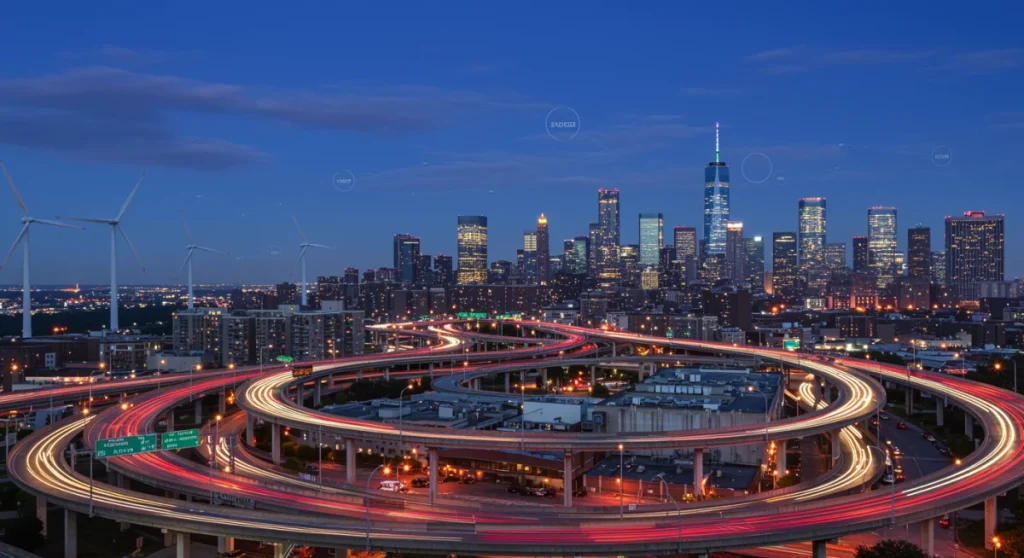
The US Infrastructure Bill 2026 allocates $500 billion to overhaul the nation’s aging infrastructure, setting the stage for transformative improvements in critical sectors like transportation, broadband, and clean energy over the next three years.
The US Infrastructure Bill 2026 Update: How $500 Billion in Funding Will Reshape National Development Over the Next 3 Years marks a pivotal moment for the United States, promising a monumental investment in the nation’s foundational systems. This ambitious legislative package aims to address decades of underinvestment, setting the stage for widespread improvements that will touch nearly every aspect of American life. From bustling urban centers to remote rural communities, the ripple effects of this funding are anticipated to be transformative, fostering economic growth, enhancing connectivity, and bolstering national resilience.
The Vision Behind the $500 Billion Investment
The allocation of $500 billion under the US Infrastructure Bill 2026 is not merely about repairing old roads; it’s a strategic investment designed to propel the nation into a new era of development. This significant financial commitment reflects a comprehensive vision for a more resilient, efficient, and equitable America. The goal extends beyond immediate fixes, aiming to lay the groundwork for sustainable growth and technological advancement for generations to come.
This monumental funding is earmarked for a diverse array of projects, encompassing everything from critical transportation networks to cutting-edge digital infrastructure. The architects of the bill envision a future where American infrastructure is not just functional but world-leading, capable of supporting a dynamic economy and an increasingly interconnected society.
Addressing Decades of Neglect
For years, America’s infrastructure has been graded poorly, with many systems nearing the end of their design life. The 2026 bill directly confronts this challenge, providing the necessary capital to modernize and rebuild.
- Aging bridges and roads are slated for extensive repairs and upgrades.
- Public transit systems will receive significant investments to improve reliability and expand reach.
- Water pipes and wastewater treatment facilities, some over a century old, will be replaced and optimized.
The focus is on creating infrastructure that can withstand future climate challenges and support a growing population. This proactive approach ensures that the investments made today will yield benefits for decades into the future.
Economic Stimulus and Job Creation
Beyond the tangible improvements, the bill is expected to be a powerful economic catalyst. The sheer scale of projects will create millions of jobs across various sectors.
- Construction workers, engineers, and project managers will be in high demand.
- Manufacturing industries supplying materials will see increased activity.
- Local economies around project sites will benefit from increased spending and employment.
This job creation is not just short-term; the improved infrastructure will also foster long-term economic growth by reducing transportation costs, improving supply chains, and increasing overall productivity. The vision is clear: rebuild America, create jobs, and secure a prosperous future.
The $500 billion investment represents a concerted effort to reverse the trend of infrastructure decay and to position the United States as a leader in modern, sustainable development. It’s a testament to the understanding that robust infrastructure is the backbone of a thriving nation, enabling economic activity, fostering social connectivity, and ensuring national security.
Transforming Transportation Networks
A significant portion of the 2026 infrastructure funding is dedicated to revolutionizing America’s transportation networks. This focus aims to enhance efficiency, reduce commute times, and improve safety across all modes of transport. The goal is to create a seamless, multimodal system that caters to the needs of both commuters and commerce.
From interstates to local roads, railways to airports, the investments are designed to upgrade existing infrastructure and introduce innovative solutions. This will not only facilitate smoother travel but also reduce the environmental footprint of transportation.
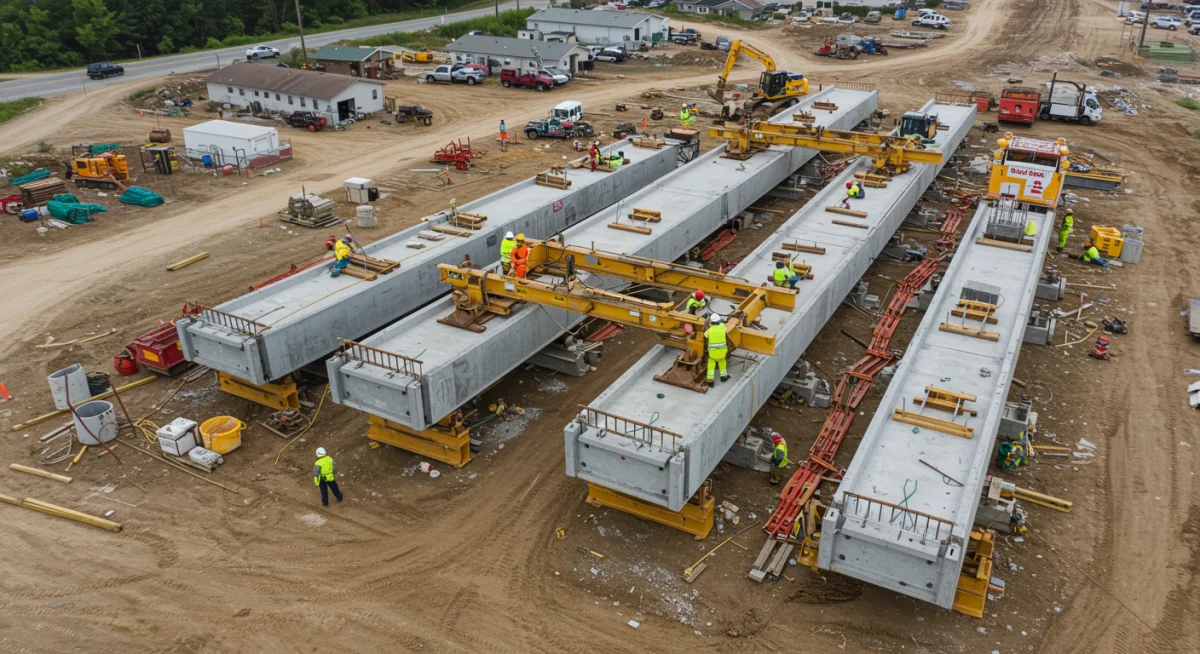
Modernizing Roads and Bridges
America’s road and bridge infrastructure is critical for daily life and economic activity. The bill targets extensive overhauls to improve their condition and capacity.
- Repairing or replacing thousands of miles of dilapidated roads.
- Strengthening structurally deficient bridges to ensure public safety.
- Implementing smart highway technologies to manage traffic flow and enhance safety.
These improvements are expected to significantly reduce vehicle maintenance costs for drivers and decrease travel times, boosting productivity and connectivity between communities.
Revitalizing Public Transit and Rail
Public transportation is poised for a major renaissance under the new bill. Investments will focus on expanding access, improving service quality, and integrating new technologies.
- Upgrading and expanding subway, bus, and light rail systems in urban areas.
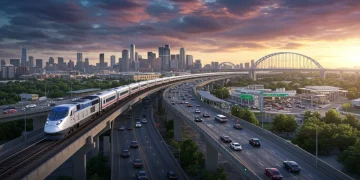
- Investing in high-speed rail projects to connect major cities more efficiently.
- Improving accessibility for individuals with disabilities across all public transit options.
The revitalization of public transit aims to offer more sustainable and convenient alternatives to driving, reducing congestion and emissions in metropolitan areas. This shift is crucial for urban development and environmental goals.
Enhancing Airports and Ports
Airports and ports are vital gateways for trade and travel. The funding will ensure these critical hubs are equipped to meet future demands.
- Modernizing airport terminals and air traffic control systems.
- Upgrading port infrastructure to handle larger cargo volumes and improve logistics.
- Investing in sustainable technologies for both air and sea transport.
These enhancements are essential for maintaining America’s competitive edge in global trade and ensuring efficient movement of goods and people. The comprehensive approach to transportation underscores the bill’s ambition to create a truly interconnected nation.
Expanding Broadband Access for All Americans
In the 21st century, reliable and affordable internet access is no longer a luxury but a necessity. The US Infrastructure Bill 2026 allocates substantial funding to bridge the digital divide, ensuring that every American, regardless of their location, has access to high-speed broadband. This initiative is fundamental for education, healthcare, economic opportunity, and social inclusion.
The goal is to eliminate barriers to internet access, particularly in rural and underserved communities, where connectivity often lags far behind urban areas. This investment will pave the way for a more digitally inclusive society.
Universal Broadband Deployment
The bill targets the deployment of high-speed internet infrastructure to areas currently lacking adequate service. This involves a multi-faceted approach to reach every corner of the nation.
- Laying new fiber optic cables in remote and rural regions.
- Utilizing innovative technologies like satellite internet and 5G where traditional infrastructure is challenging.
- Providing subsidies and incentives for internet service providers to expand their networks.
The aim is to ensure that all households and businesses have access to speeds that support modern digital demands, from remote work and online learning to telemedicine and digital commerce.
Addressing Affordability and Digital Literacy
Beyond physical infrastructure, the bill also recognizes the importance of making internet access affordable and ensuring digital literacy. Connectivity is only meaningful if it is accessible to everyone.
- Implementing programs to lower the cost of internet service for low-income families.
- Funding initiatives to provide affordable devices and digital skills training.
- Collaborating with local communities to develop tailored solutions for digital inclusion.
These measures are crucial for ensuring that the newly deployed broadband infrastructure is fully utilized and benefits all segments of society, empowering individuals and communities in the digital age. Expanding broadband access is a cornerstone of the 2026 bill, recognizing its role as a fundamental utility for modern life.
Investing in Clean Energy and Climate Resilience
The US Infrastructure Bill 2026 places a strong emphasis on clean energy initiatives and building climate-resilient infrastructure. This commitment reflects a growing understanding of the urgent need to address climate change while simultaneously modernizing the nation’s energy systems. The investments aim to foster a sustainable future, reduce carbon emissions, and protect communities from the impacts of extreme weather events.
This dual focus on clean energy and resilience is designed to create a more robust and environmentally responsible infrastructure. It represents a forward-thinking approach to national development, balancing economic growth with ecological stewardship.
Accelerating the Clean Energy Transition
Significant funds are allocated to accelerate the transition to renewable energy sources and improve energy efficiency across the country.
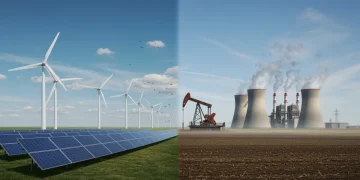
- Investing in solar, wind, and geothermal power generation projects.
- Upgrading and modernizing the national electric grid to integrate more renewable energy.
- Promoting the development of electric vehicle charging infrastructure nationwide.
These initiatives are crucial for reducing reliance on fossil fuels, lowering energy costs, and creating new jobs in the green energy sector. The transition to clean energy is a key component of the bill’s long-term vision.
Building Resilient Infrastructure
With increasing climate volatility, building infrastructure that can withstand natural disasters is paramount. The bill includes provisions for making communities more resilient.
- Funding for projects that protect against floods, wildfires, and extreme weather.
- Investing in seawalls, levee systems, and nature-based solutions for coastal protection.
- Upgrading water infrastructure to ensure reliable access during droughts and other crises.
These resilience measures are vital for safeguarding lives, property, and economic stability in the face of a changing climate. The proactive approach to climate resilience underscores the comprehensive nature of the 2026 infrastructure bill.
Water Infrastructure and Environmental Restoration
Beyond roads and broadband, the US Infrastructure Bill 2026 dedicates substantial resources to improving water infrastructure and undertaking critical environmental restoration projects. Clean water is a fundamental right, and healthy ecosystems are essential for public well-being and biodiversity. This funding addresses long-standing issues in water quality and pollution, ensuring safer communities and a healthier environment.
The comprehensive approach aims to upgrade aging systems, prevent future contamination, and restore natural habitats. This holistic view recognizes the interconnectedness of infrastructure and environmental health.
Ensuring Safe Drinking Water
Many communities across the U.S. still grapple with outdated water systems, leading to concerns about lead pipes and contaminated water. The bill directly tackles these issues.
- Replacing lead service lines in homes and schools to ensure safe drinking water.
- Upgrading aging water treatment plants and distribution networks.
- Investing in advanced filtration technologies to remove emerging contaminants.
These investments are critical for public health, especially in vulnerable communities that have historically borne the brunt of water quality issues. Access to clean, safe drinking water is a top priority.
Modernizing Wastewater Systems
Effective wastewater management is crucial for preventing pollution and protecting aquatic ecosystems. The bill provides funding for significant upgrades.
- Repairing and expanding wastewater treatment facilities to meet modern standards.
- Implementing green infrastructure solutions to manage stormwater runoff.
- Reducing combined sewer overflows that pollute rivers and streams.
Improved wastewater infrastructure will lead to cleaner waterways, healthier ecosystems, and reduced public health risks associated with waterborne diseases. It represents a vital step towards environmental stewardship.
Environmental Remediation and Restoration
The bill also includes provisions for cleaning up contaminated sites and restoring natural habitats, acknowledging the legacy of industrial pollution.
- Funding for the cleanup of Superfund sites and brownfields.
- Investing in wetland restoration and coastal habitat revitalization projects.
- Supporting initiatives to reduce plastic pollution and improve waste management.
These environmental restoration efforts are essential for reversing ecological damage, promoting biodiversity, and creating healthier environments for communities. The focus on water and environmental improvements highlights the bill’s broad scope and long-term vision for national well-being.
Economic and Social Impacts Over the Next 3 Years
The $500 billion investment from the US Infrastructure Bill 2026 is poised to generate significant economic and social impacts across the nation within the next three years. These effects will be felt in job markets, community development, and overall quality of life, extending far beyond the immediate construction phases. The strategic allocation of funds is designed to foster sustainable growth and address systemic inequalities.
The short-to-medium term outlook suggests a robust period of revitalization, with tangible benefits emerging in various sectors. This includes not only direct economic boosts but also improvements in social equity and regional competitiveness.
Job Creation and Workforce Development
The immediate impact will be a surge in job creation across diverse industries. This includes direct jobs in construction, engineering, and manufacturing, as well as indirect jobs in supporting sectors.
- Millions of jobs are projected to be created through infrastructure projects.
- Investment in workforce development programs to train skilled labor for new infrastructure roles.
- Opportunities for small businesses and local contractors to participate in federal projects.
This robust job market will provide opportunities for a wide range of workers, contributing to economic stability and personal prosperity across the country. The focus on local hiring will also empower communities.
Regional Development and Equity
The bill aims to promote equitable development, directing resources to historically underserved and disadvantaged communities. This focus on equity is designed to reduce regional disparities.
- Targeted investments in rural areas to improve connectivity and essential services.
- Funding for urban revitalization projects that address historical infrastructure deficits.
- Initiatives to ensure that benefits of infrastructure development are shared broadly across all demographic groups.
By prioritizing equitable distribution of resources, the bill seeks to foster inclusive growth, creating opportunities and improving living standards in areas that have long been neglected. This will contribute to a more balanced national development.
Long-Term Economic Competitiveness
The enhancements to transportation, broadband, and energy infrastructure will significantly bolster America’s long-term economic competitiveness. Efficient infrastructure is a prerequisite for a thriving economy.
- Reduced logistical costs for businesses, making American industries more competitive globally.
- Improved access to high-speed internet, fostering innovation and digital entrepreneurship.
- A modernized energy grid providing reliable and affordable power for businesses and consumers.
These improvements will attract new investments, support business expansion, and enhance overall productivity, ensuring the United States remains a global economic leader. The economic and social impacts of the bill are expected to be far-reaching and profoundly positive over the next three years and beyond.
Challenges and Oversight in Implementation
While the US Infrastructure Bill 2026 presents an unprecedented opportunity for national development, its successful implementation hinges on effective management, rigorous oversight, and careful navigation of potential challenges. The scale of the $500 billion investment demands meticulous planning and execution to ensure that funds are used efficiently and projects are completed on time and within budget. Addressing these challenges proactively will be crucial for realizing the bill’s full potential.
Transparency, accountability, and adaptability will be key principles guiding the implementation process. Learning from past infrastructure projects, the focus is on minimizing waste and maximizing impact to deliver lasting benefits to the American people.
Navigating Bureaucratic Hurdles
Large-scale federal projects often face complex bureaucratic processes, from permitting to environmental reviews. Streamlining these procedures without compromising essential safeguards is a significant challenge.
- Establishing clear guidelines and timelines for project approvals.
- Coordinating efforts between federal, state, and local agencies to avoid delays.
- Utilizing digital tools and data analytics to improve project management efficiency.
Overcoming these administrative obstacles is vital for accelerating project delivery and ensuring that the benefits of the infrastructure investments are realized promptly. The emphasis is on cutting red tape while maintaining robust oversight.
Ensuring Fiscal Responsibility and Preventing Waste
With such a substantial sum of public money, robust financial oversight is paramount to prevent fraud, waste, and abuse. Mechanisms must be in place to track every dollar.
- Implementing strict auditing procedures and financial reporting requirements.
- Establishing independent oversight committees to monitor project spending.
- Utilizing advanced procurement strategies to ensure fair pricing and quality outcomes.
Public trust in the infrastructure program depends on transparent and accountable use of funds. The government is committed to ensuring that taxpayer money is invested wisely and effectively, delivering maximum value.
Workforce Capacity and Supply Chain Constraints
The sheer volume of projects may strain existing workforce capacity and place demands on supply chains for materials. Proactive measures are needed to mitigate these issues.
- Investing in vocational training and apprenticeship programs to expand the skilled labor pool.
- Monitoring and addressing potential bottlenecks in the supply chain for critical materials.
- Promoting domestic manufacturing to reduce reliance on foreign suppliers.
Addressing these practical challenges will be essential for the smooth and timely execution of infrastructure projects. The successful implementation of the 2026 bill will be a testament to effective governance and collaborative effort.
| Key Focus Area | Description of Impact |
|---|---|
| Transportation Modernization | Upgrading roads, bridges, public transit, and airports for efficiency and safety. |
| Broadband Expansion | Ensuring universal high-speed internet access, especially in underserved regions. |
| Clean Energy & Resilience | Investing in renewables, grid modernization, and climate-resistant infrastructure. |
| Water Infrastructure | Replacing lead pipes, upgrading treatment plants, and improving wastewater systems. |
Frequently Asked Questions About the Infrastructure Bill
The primary goal is to modernize America’s aging infrastructure by investing $500 billion across critical sectors. This aims to improve transportation, expand broadband access, enhance clean energy initiatives, and upgrade water systems, fostering economic growth and national resilience.
The bill is expected to create millions of jobs directly in construction, engineering, and manufacturing, as well as indirectly in supporting industries. It will also fund workforce development programs to ensure a skilled labor force for these new roles, contributing to economic stability.
Significant funds are allocated to repair and upgrade roads and bridges, revitalize public transit and rail systems, and modernize airports and ports. These improvements aim to enhance efficiency, reduce travel times, and bolster safety across all transportation modes nationwide.
The bill invests heavily in clean energy development, grid modernization, and electric vehicle infrastructure. It also funds projects for climate resilience, such as flood protection and wildfire prevention, alongside significant investments in safe drinking water and environmental remediation efforts.
Key challenges include navigating bureaucratic processes, ensuring fiscal responsibility to prevent waste, and managing workforce capacity and supply chain constraints. Effective coordination and stringent oversight mechanisms are being established to mitigate these hurdles and ensure successful project delivery.
Conclusion
The US Infrastructure Bill 2026 represents a transformative commitment to America’s future, with $500 billion earmarked to revitalize the nation’s foundational systems. Over the next three years, this unprecedented investment is set to reshape national development by modernizing transportation networks, ensuring universal broadband access, accelerating the clean energy transition, and safeguarding essential water infrastructure. While significant challenges in implementation will undoubtedly arise, the overarching vision is clear: to build a more resilient, equitable, and economically competitive United States. The ripple effects of these projects will extend far beyond physical improvements, fostering job growth, enhancing community well-being, and securing a sustainable trajectory for generations to come. The successful execution of this bill will stand as a testament to strategic foresight and collective national endeavor.