Decoding the Digital Divide: How 15% of Rural American Communities Are Redefining Cultural Connection in the Current Era
The vast landscapes of rural America, often romanticized for their tranquility and close-knit communities, face a unique set of challenges in the 21st century. Among the most pressing is the digital divide – a chasm separating those with access to modern information and communication technologies from those without. This divide impacts everything from economic opportunity and education to healthcare and, crucially, cultural connection. While the narrative often focuses on the struggles, a quiet revolution is unfolding. A significant 15% of rural American communities are not just grappling with these challenges; they are actively innovating, leveraging technology to redefine and strengthen their cultural fabric. This article delves into how these pioneering communities are fostering a new era of rural cultural connection, transforming their local identities in the digital age.
Understanding the Digital Divide in Rural America
Before we celebrate the successes, it’s essential to understand the landscape. The digital divide in rural America is multifaceted, extending beyond mere internet access. It encompasses issues of affordability, digital literacy, and the relevance of online content. While urban areas boast widespread high-speed internet, many rural regions still struggle with slow, unreliable, or non-existent broadband. This disparity has profound implications for social cohesion and the preservation of unique local cultures.
Traditionally, rural cultural connection has been fostered through physical gatherings: town hall meetings, church events, local fairs, and community potlucks. These face-to-face interactions are the bedrock of rural life, building trust, sharing stories, and passing down traditions. However, demographic shifts, economic pressures, and the increasing mobility of younger generations have placed strain on these traditional avenues. The lack of digital infrastructure further exacerbates this, often isolating communities and limiting their ability to engage with the wider world or even connect effectively within their own boundaries.
The consequences are tangible. Younger generations, accustomed to digital interaction, may feel disconnected from their rural roots if those roots aren’t represented online. Elders, who hold the keys to invaluable local histories and traditions, may find it difficult to share their knowledge beyond immediate physical proximity. Businesses struggle to compete without an online presence. Education and healthcare access are hampered. In essence, the digital divide threatens to erode the very essence of rural cultural connection by limiting the means through which culture can be expressed, shared, and evolved.
The Emergence of Digital Pioneers: 15% Leading the Way
Despite these formidable obstacles, a remarkable 15% of rural American communities are demonstrating incredible resilience and ingenuity. These are not merely communities that have gained internet access; they are communities proactively using digital tools to enhance and redefine their cultural landscapes. Their strategies are diverse, often tailored to their specific needs and resources, but they share a common thread: a commitment to fostering a stronger rural cultural connection through innovation.
Leveraging Social Media for Community Engagement
For many of these pioneering communities, social media platforms have become virtual town squares. Facebook groups, local Instagram accounts, and even TikTok are being used to organize events, share local news, celebrate achievements, and foster dialogue. These platforms allow residents to stay connected, even if they live miles apart, and provide a space for younger generations to engage with local culture in a familiar medium. For example, a small agricultural town might use a Facebook group to coordinate harvest festivals, share family recipes, or organize volunteer efforts, thus strengthening their rural cultural connection.
These digital spaces are not replacing traditional gatherings but rather augmenting them. They serve as a pre-event buzz generator, a post-event photo album, and a continuous forum for community interaction. They also provide a lifeline for residents who may be homebound or unable to attend physical events, ensuring they remain part of the community fabric.
Online Storytelling and Archiving Local History
One of the most powerful ways these communities are redefining rural cultural connection is through online storytelling and digital archiving. Local historical societies, libraries, and even individual residents are creating websites, digital museums, and YouTube channels to document and share their unique heritage. This includes oral histories from long-time residents, digitized photographs, scanned historical documents, and videos of traditional crafts or local events.
This digital preservation ensures that the rich tapestry of rural life is not lost to time but is accessible to current and future generations, both within and outside the community. It also provides an opportunity for residents to contribute their own stories and memories, fostering a sense of collective ownership and pride in their shared past. Imagine a digital archive where local farmers share their generational knowledge of sustainable practices, or where community elders recount tales of bygone eras, all contributing to a vibrant rural cultural connection that transcends geographical boundaries.
Virtual Events and Cross-Community Collaboration
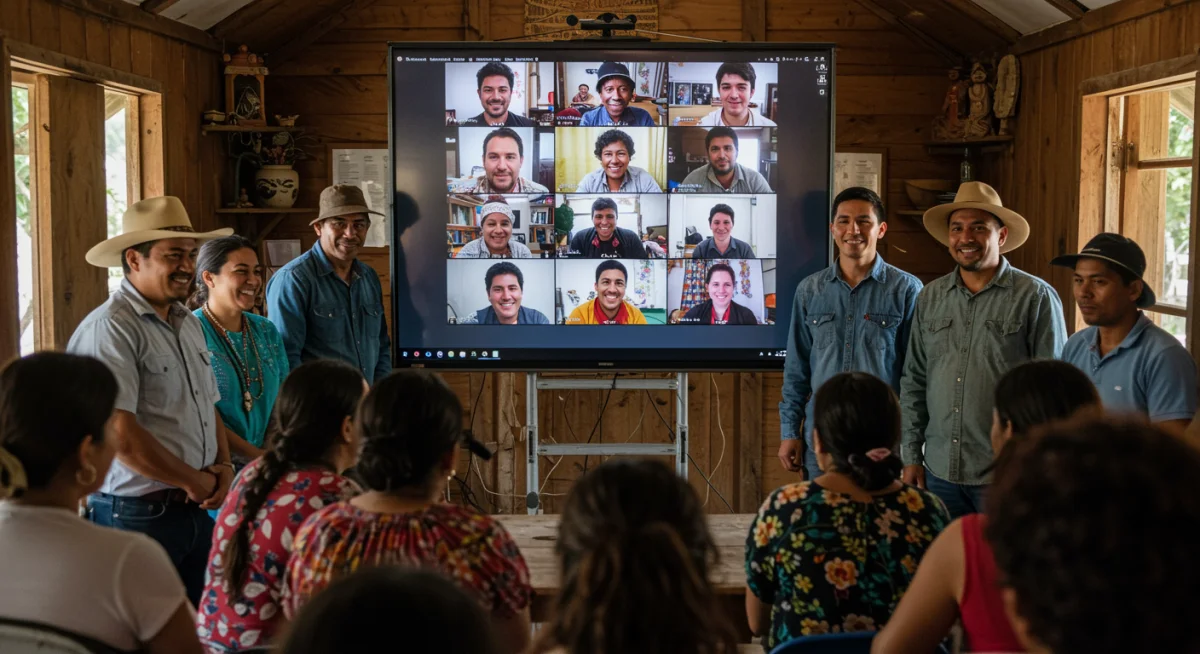
The COVID-19 pandemic, while challenging, inadvertently accelerated the adoption of virtual events. Many rural communities, already exploring digital tools, embraced platforms like Zoom, Google Meet, and even specialized virtual event software to host everything from town hall meetings and local government sessions to virtual farmers’ markets, craft fairs, and musical performances. These virtual events have proven invaluable for maintaining rural cultural connection during times of physical separation and continue to be a vital tool.
Beyond local events, these digital platforms have also enabled unprecedented cross-community collaboration. Rural towns, previously isolated, can now partner on regional initiatives, share resources, and even co-host virtual festivals. This broader engagement not only enriches the cultural offerings for residents but also fosters a sense of regional identity and solidarity, strengthening the collective rural cultural connection across a wider area.
Key Strategies for Building Digital Cultural Bridges
What specific strategies are these 15% of communities employing to successfully bridge the digital divide and foster rural cultural connection? It’s a combination of infrastructure development, digital literacy initiatives, and creative content creation.
1. Prioritizing Broadband Infrastructure
At the core of any digital transformation is reliable internet access. These communities often actively advocate for, and sometimes even invest in, their own broadband infrastructure. This can involve municipal broadband networks, public-private partnerships, or leveraging grants from federal and state programs. Without high-speed internet, even the most innovative digital cultural initiatives would be impossible. The commitment to infrastructure is the foundational step in nurturing rural cultural connection in the digital age.
2. Digital Literacy and Accessibility Programs
Access to technology is only half the battle; knowing how to use it is the other. Successful communities are implementing digital literacy programs tailored to all age groups. Libraries often serve as key hubs, offering free computer access, internet tutorials, and workshops on everything from basic computer skills to using social media and creating digital content. These programs are crucial for ensuring that no one is left behind and that all residents can participate in and contribute to the digital expression of their rural cultural connection.
Accessibility is also paramount. This includes providing devices, ensuring websites are user-friendly for all abilities, and offering support in multiple languages where applicable. By making digital tools accessible, communities empower a broader spectrum of their population to engage with and enrich their shared culture.
3. Fostering Local Content Creation
The internet is a powerful tool for consumption, but its true potential for rural cultural connection lies in creation. These communities are encouraging residents to be creators, not just consumers, of digital content. This could involve:
- Community Blogs and News Sites: Providing platforms for local journalists, historians, and residents to share stories and updates.
- Podcasts and Local Radio Streams: Giving a voice to local personalities, musicians, and storytellers.
- Video Production Workshops: Equipping residents with the skills to document local events, interviews, and traditions.
- Digital Art and Photography Projects: Showcasing the unique beauty and talent within the community.
By empowering residents to create and share their own narratives, these communities are ensuring that their digital footprint authentically reflects their unique rural cultural connection.
4. Hybrid Models: Blending Digital and Traditional
The most effective strategies don’t seek to replace traditional cultural practices but to enhance them. Many communities are adopting hybrid models, where digital tools complement and extend physical interactions. For instance, a local fair might have a strong online presence for promotion and ticket sales, live-stream key events for those who can’t attend, and use social media for real-time engagement, all while maintaining its cherished in-person traditions. This blend ensures that the timeless essence of rural cultural connection is preserved while embracing the possibilities of the digital age.
Case Studies of Redefining Rural Cultural Connection
To illustrate these concepts, let’s look at hypothetical examples inspired by real-world initiatives that showcase how rural cultural connection is being redefined:
The "Heritage Trails" Project in Harmony Creek
Harmony Creek, a small town in the Midwest with a rich agricultural history, launched the "Heritage Trails" project. This initiative combined physical walking trails with an interactive mobile app. As residents and visitors walk the trails, they can use the app to access audio stories from local elders, view historical photos of landmarks, and watch short videos on traditional farming techniques. The app also allows users to upload their own memories and photos, creating a living archive that strengthens their rural cultural connection by intertwining past and present.
"Digital Front Porch" in Willow Bend
Willow Bend, a mountain community, established a "Digital Front Porch" – a dedicated online platform featuring a community forum, a calendar of local events (both online and in-person), and a "Skills Exchange" section where residents can offer or seek help with everything from gardening tips to carpentry. This platform also hosts bi-weekly virtual "storytelling circles" where residents share personal anecdotes and local legends, reinforcing their unique rural cultural connection in a modern format.
"Art Across Borders" in Prairieville
Prairieville, a remote artistic community, faced challenges in showcasing its vibrant local art scene. They developed "Art Across Borders," an online gallery and e-commerce platform that allows local artists to display and sell their work to a global audience. They also host virtual art festivals and workshops, connecting their artists with wider networks and bringing new perspectives into the community, thus enriching their rural cultural connection through broader artistic exchange.
The Broader Impact of Enhanced Rural Cultural Connection
The efforts of these 15% of communities extend far beyond mere digital presence. By actively working to bridge the digital divide and foster rural cultural connection, they are creating a positive ripple effect across various aspects of community life:
Economic Revitalization
A stronger digital presence and enhanced cultural offerings can attract tourism, support local businesses through e-commerce, and even draw new residents and remote workers seeking vibrant communities. This economic revitalization creates a positive feedback loop, allowing for further investment in infrastructure and cultural initiatives.
Improved Access to Services
While not directly cultural, the underlying digital infrastructure and literacy programs developed for cultural initiatives also improve access to essential services. Telemedicine, online education, and remote work opportunities become more viable, leading to better health outcomes, educational attainment, and economic stability for residents.
Empowerment and Voice
Digital platforms give a voice to marginalized groups within rural communities who might traditionally have fewer opportunities to be heard. This empowerment strengthens the democratic fabric of the community and ensures a more inclusive representation of its diverse rural cultural connection.
Preservation of Identity
In an increasingly globalized world, preserving unique local identities is crucial. Digital tools provide powerful means to document, celebrate, and share these distinct cultures, ensuring that the richness of rural American life continues to thrive and evolve. The digital realm becomes a safeguard for the unique nuances of each community’s rural cultural connection.
Challenges and the Path Forward
While the successes of these 15% are inspiring, significant challenges remain for the broader rural landscape. Funding for broadband infrastructure, ongoing digital literacy training, and the sustainability of digital cultural initiatives are persistent hurdles. The digital divide is not a static problem; it evolves with technology, requiring continuous adaptation and investment.
The path forward requires a concerted effort from all stakeholders: government agencies, private companies, non-profit organizations, and, most importantly, the communities themselves. Lessons learned from the pioneering 15% must be shared and scaled to empower more rural areas to embrace digital tools for cultural enrichment. This involves:
- Continued Investment in Broadband: Ensuring equitable access to high-speed internet for all rural Americans.
- Community-Led Initiatives: Supporting grassroots efforts that understand and cater to local needs and cultural nuances.
- Innovative Funding Models: Exploring diverse funding sources for digital literacy and cultural content creation.
- Inter-Community Mentorship: Facilitating knowledge sharing between communities that have successfully implemented digital cultural strategies and those just beginning their journey.
Conclusion
The story of how 15% of rural American communities are redefining cultural connection in the digital era is one of hope, innovation, and resilience. These communities are proving that technology, far from being a threat to traditional rural values, can be a powerful ally in preserving, enhancing, and evolving their unique identities. By strategically embracing digital tools, they are not only bridging the digital divide but are also forging stronger, more vibrant, and more connected communities.
Their successes offer a blueprint for the future, demonstrating that with vision, collaboration, and a commitment to people-centered technology, the essence of rural cultural connection can thrive in the 21st century and beyond. As we look towards a future where digital and physical worlds increasingly intertwine, the pioneering spirit of these rural communities serves as a powerful reminder of the enduring human need for connection, and the innovative ways we can achieve it, regardless of geography.