G7 Summit: 3 Key Policy Shifts Influencing U.S. Trade

The G7 Summit is poised to introduce three significant policy shifts that will profoundly influence U.S. trade relations in the coming year, impacting sectors from technology to manufacturing and shaping the global economic landscape.
Understanding the G7 Summit: 3 Key Policy Shifts Expected to Influence U.S. Trade Relations Over the Next 12 Months is crucial for businesses and policymakers alike. The recent gathering of the Group of Seven (G7) nations represents a pivotal moment, setting the stage for significant alterations in global economic dynamics. These shifts are not merely theoretical; they carry tangible implications for American industries, consumers, and the broader U.S. economy.
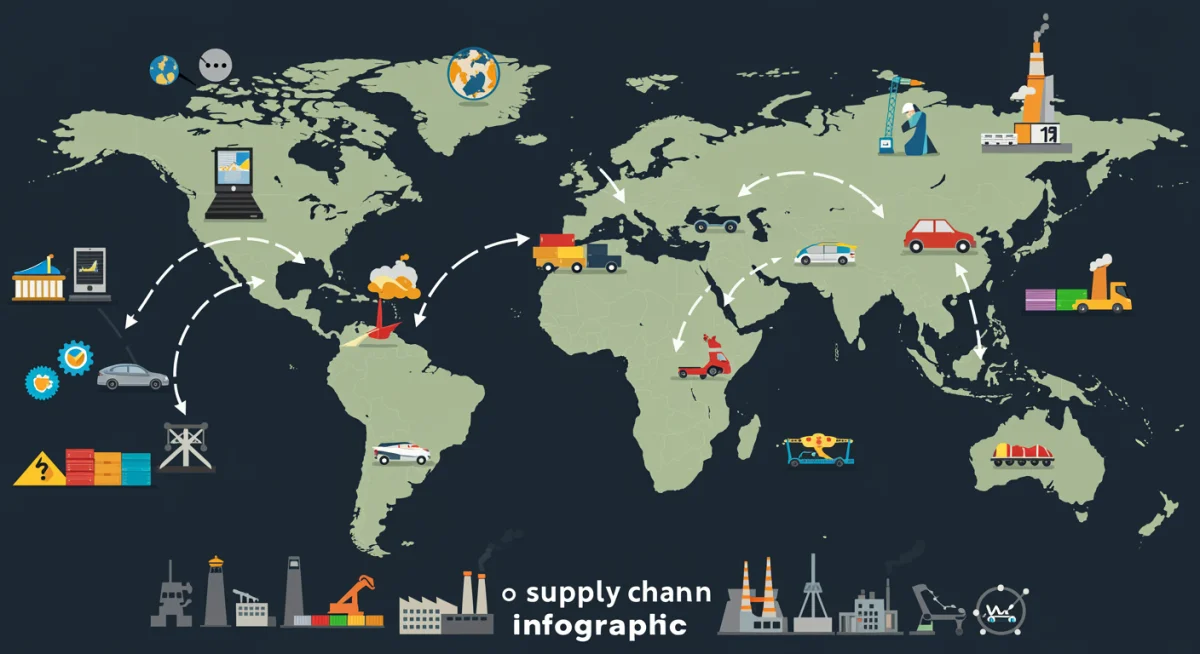
Strengthening Supply Chain Resilience
The G7 leaders have placed a strong emphasis on bolstering global supply chain resilience, a direct response to recent disruptions caused by geopolitical tensions, pandemics, and natural disasters. This policy shift aims to reduce over-reliance on single-source suppliers and diversify manufacturing bases, particularly for critical goods. For the U.S., this translates into both challenges and opportunities as companies re-evaluate their sourcing strategies and consider reshoring or nearshoring production.
Diversification and Strategic Reserves
A core component of this initiative involves encouraging member nations to diversify their supply chains, moving away from concentrated production hubs. This includes incentives for companies to invest in new manufacturing facilities in allied countries. Furthermore, there’s a strong push for establishing strategic reserves of essential goods, ranging from medical supplies to critical minerals, to mitigate future shocks.
- Incentives for domestic and allied manufacturing.
- Reduced dependence on single-country suppliers.
- Creation of national and multilateral strategic reserves.
- Enhanced data sharing for supply chain visibility.
The implications for U.S. trade are substantial. American businesses might face higher initial production costs if they shift away from low-cost regions, but this could be offset by increased reliability and reduced geopolitical risk. Consumers could see more stable availability of products, though potentially at slightly higher prices in the short term. The long-term goal is a more secure and predictable flow of goods essential for national security and economic stability.
Digital Trade and Data Governance Frameworks
Another significant policy shift emerging from the G7 Summit involves the establishment of more robust and harmonized frameworks for digital trade and data governance. As the global economy becomes increasingly digital, the free and secure flow of data across borders is paramount. However, differing national regulations and concerns over data privacy and security have created friction. The G7 aims to create common principles that facilitate digital commerce while upholding privacy and security standards.
This initiative seeks to strike a balance between promoting open digital markets and protecting individual and national interests. For the U.S., which boasts a vibrant digital economy and numerous tech giants, these frameworks could either unlock new opportunities or impose new compliance burdens. The goal is to prevent digital protectionism and ensure that data can flow freely in a trusted environment, fostering innovation and economic growth.
Key Principles for Cross-Border Data Flows
The G7 discussions centered on developing principles for trusted cross-border data flows, emphasizing interoperability and minimizing unnecessary restrictions. This includes promoting common standards for data protection, cybersecurity, and consumer rights, which are vital for fostering trust in the digital economy. The aim is to reduce legal fragmentation that can hinder digital services and trade.
- Harmonization of data privacy regulations.
- Promotion of open and secure digital markets.
- Collaboration on cybersecurity standards.
- Prevention of data localization requirements that impede trade.
U.S. technology companies stand to gain from clearer, more consistent rules, making it easier to operate globally. However, they may also need to adapt to new international privacy standards. The policy shift could lead to increased investment in digital infrastructure and services, further integrating the U.S. into the global digital economy. This framework is essential for the future of trade, as digital services continue to expand their share of global commerce.
Climate Change and Green Trade Initiatives
The third major policy shift from the G7 Summit focuses on accelerating action on climate change through green trade initiatives. This involves promoting trade in environmental goods and services, aligning trade policies with climate goals, and addressing carbon leakage concerns. The G7 nations are committed to leading the transition to a net-zero global economy, and trade policy is seen as a powerful tool to achieve this.
This shift could see the U.S. implementing new carbon border adjustment mechanisms, providing incentives for green technologies, and negotiating trade agreements that prioritize environmental sustainability. The aim is to create a level playing field for industries that are investing in decarbonization and to prevent competitive disadvantages due to varying environmental regulations across countries. This represents a significant move towards integrating climate considerations directly into international trade policy.
Carbon Border Adjustments and Green Subsidies
Discussions at the G7 highlighted the potential for carbon border adjustment mechanisms (CBAMs) to ensure that imports from countries with less stringent climate policies do not undermine domestic decarbonization efforts. While complex, these mechanisms aim to impose a carbon price on certain imported goods. Complementary to this are green subsidies and investments in renewable energy and sustainable manufacturing practices, encouraging a shift towards cleaner production.
- Development of carbon border adjustment mechanisms.
- Increased trade in environmental goods and services.
- Alignment of trade agreements with climate objectives.
- Investment in green technologies and sustainable infrastructure.
For U.S. industries, this could mean adapting to new carbon pricing schemes and investing heavily in green technologies to remain competitive. Exporters could benefit from increased demand for environmentally friendly products and services. While there might be short-term adjustment costs, the long-term benefits include a more sustainable economy and new market opportunities in the burgeoning green sector. This shift underscores a global commitment to addressing climate change through coordinated economic actions.
Promoting Fair Competition and Global Tax Harmonization
Beyond the three primary shifts, the G7 Summit also made significant strides in promoting fair competition and pushing for global tax harmonization. These efforts are designed to create a more equitable international economic environment, preventing unfair advantages derived from tax havens or monopolistic practices. For the U.S., this means a potential reduction in corporate tax avoidance and a more level playing field for American businesses competing globally.
The agreement on a global minimum corporate tax rate, a cornerstone of this initiative, aims to discourage multinational corporations from shifting profits to low-tax jurisdictions. This policy could significantly increase tax revenues for participating nations, including the U.S., and reduce the incentive for a ‘race to the bottom’ in corporate taxation. Furthermore, the G7 pledged to address anti-competitive practices in digital markets, ensuring that dominant tech platforms do not stifle innovation or exploit consumers.
Global Minimum Corporate Tax
The commitment to a global minimum corporate tax rate of at least 15% is a landmark achievement. This agreement, championed by several G7 members, seeks to ensure that large multinational corporations pay their fair share of taxes, regardless of where they operate. For the U.S., this could simplify international tax compliance for American companies and bring in additional revenue, potentially funding domestic infrastructure or social programs.
- Implementation of a 15% global minimum corporate tax.
- Increased tax revenues for signatory nations.
- Reduced corporate tax avoidance and profit shifting.
- Simplified international tax regulations over time.
The impact on U.S. trade relations is multifaceted. While some U.S. companies operating abroad might see increased tax liabilities, the overall effect is expected to be positive, fostering greater fairness and stability in the international tax system. This policy aims to remove a significant source of trade friction and promote a more transparent global economic order, benefiting all participating economies by ensuring a more equitable distribution of tax burdens.
Addressing Geopolitical Risks in Trade
The G7 Summit also heavily focused on mitigating geopolitical risks that threaten international trade stability. The discussions underscored the need for coordinated responses to economic coercion, intellectual property theft, and unfair trade practices, particularly from non-market economies. This policy shift is critical for the U.S. as it navigates complex relationships with major trading partners and seeks to protect its economic interests and national security.
Leaders emphasized the importance of a united front to counter practices that distort global markets and undermine the rules-based international trading system. This includes enhancing monitoring mechanisms for state-sponsored industrial policies and developing collective tools to respond to economic threats. For American businesses, this means a potential for stronger governmental support in navigating challenging international markets and a renewed commitment to fair play.
Countering Economic Coercion
A key area of focus was the development of strategies to counter economic coercion, where one country uses economic leverage to achieve political objectives. The G7 committed to sharing information and coordinating responses to such tactics, thereby strengthening the resilience of their economies against external pressures. This collective defense mechanism is designed to deter aggressive economic behaviors and protect the sovereignty of trading nations.
- Enhanced intelligence sharing on economic coercion tactics.
- Development of coordinated response mechanisms.
- Strengthening of multilateral trade dispute resolution bodies.
- Promotion of free and fair trade practices globally.
For the U.S., this shift signals a more assertive stance in protecting its economic interests and those of its allies. It could lead to new trade enforcement actions or closer alignment with partners on trade policy. The aim is to ensure that trade remains a vehicle for prosperity and cooperation, not a tool for political manipulation, thereby safeguarding the integrity of global commerce for American enterprises and their international partners.
Impact on U.S. Economic Sectors and Consumers
The collective impact of these G7 policy shifts on U.S. economic sectors and consumers is multifaceted and far-reaching. From manufacturing to technology and agriculture, virtually every part of the American economy will feel the ripples of these decisions. Businesses will need to adapt their strategies, supply chains, and investment plans to align with the new global trade landscape fashioned by these G7 commitments. Consumers, in turn, may experience changes in product availability, pricing, and the types of goods and services accessible in the market.
For instance, the push for supply chain resilience could stimulate domestic production and innovation, creating jobs but potentially leading to higher costs for certain imported goods. The digital trade frameworks will likely streamline operations for tech companies but also necessitate adherence to new data governance standards. Green trade initiatives will drive investment in sustainable technologies, opening new markets while requiring some industries to transition away from carbon-intensive practices. These changes are not just about trade numbers; they are about shaping the future economic environment in which Americans live and work.
Sector-Specific Adaptations
Different sectors will experience these shifts in unique ways. The automotive industry, for example, heavily reliant on complex global supply chains, will need to reassess its sourcing and manufacturing footprint. The technology sector will face both opportunities and challenges in navigating new digital trade rules and cybersecurity standards. Agricultural exports might see new opportunities in markets prioritizing sustainable practices, but also new compliance requirements related to environmental impact.
- Manufacturing: Increased domestic investment and diversification of suppliers.
- Technology: Adaptation to harmonized data governance and cybersecurity standards.
- Agriculture: Potential for new green market access, but also stricter environmental compliance.
- Finance: Changes due to global tax harmonization and increased transparency.
Ultimately, these policy shifts represent a strategic effort by leading global economies to create a more stable, secure, and sustainable international trade system. For U.S. consumers, this could translate into greater product reliability, enhanced data privacy, and a wider range of environmentally friendly options. While the transition may involve adjustments, the overarching goal is to foster a more resilient and equitable global economy that benefits all participants, reinforcing America’s position in global commerce.
| Policy Shift | U.S. Trade Impact |
|---|---|
| Supply Chain Resilience | Diversification, reshoring incentives, potential for higher costs but greater stability. |
| Digital Trade Frameworks | Harmonized data flows, new compliance for tech, fostering innovation. |
| Green Trade Initiatives | Carbon border adjustments, green tech investment, new market opportunities. |
| Fair Competition & Tax | Global minimum tax, reduced corporate avoidance, fairer market conditions. |
Frequently Asked Questions About G7 Trade Shifts
The primary goal is to reduce vulnerabilities in global supply chains by encouraging diversification of sourcing and manufacturing. This aims to prevent disruptions caused by geopolitical events, natural disasters, or pandemics, ensuring a more stable flow of critical goods for member nations.
U.S. tech companies could benefit from harmonized rules for data governance and cross-border data flows, simplifying global operations. However, they may also need to adapt to new international privacy and security standards, potentially requiring investments in compliance infrastructure.
CBAMs impose a carbon price on imports from countries with weaker climate policies, ensuring fair competition for domestic industries investing in decarbonization. For the U.S., this could mean adapting to new carbon pricing on exports or imports, driving green technology adoption.
The global minimum corporate tax aims to prevent multinational corporations from shifting profits to low-tax jurisdictions. This is expected to increase tax revenues for countries like the U.S. and create a more equitable and stable international tax system, fostering fairer competition.
The G7 plans to counter economic coercion and unfair trade practices through coordinated responses and information sharing. This strengthens the collective resilience of member economies, protecting U.S. businesses from external pressures and promoting a rules-based global trading environment.
Conclusion
The policy shifts emanating from the G7 Summit are poised to profoundly reshape U.S. trade relations over the next 12 months, creating a dynamic environment that demands strategic adaptation from businesses and proactive engagement from policymakers. From fortifying supply chains and establishing clear digital trade rules to advancing green initiatives and promoting fair competition, these decisions reflect a concerted effort by leading global economies to build a more resilient, equitable, and sustainable international trading system. While the path ahead may involve adjustments and new challenges, the long-term vision is one of enhanced stability and renewed opportunities for American industries and consumers alike.