Cultural Preservation: 4 Innovative Approaches for American Communities
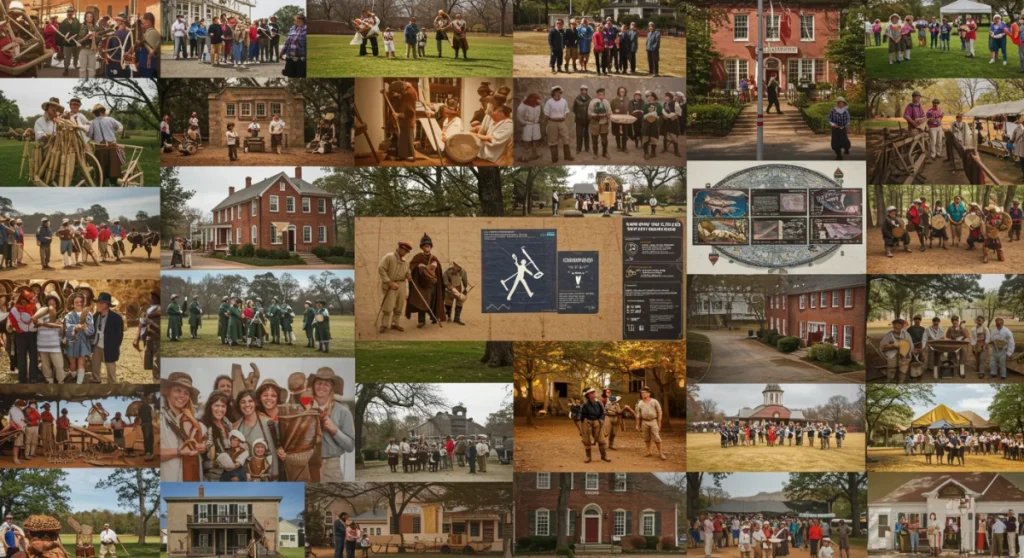
American communities are actively adopting four innovative cultural preservation approaches by mid-2026, leveraging technology, community engagement, and sustainable practices to safeguard diverse heritage for future generations.
The fabric of American society is richly woven with diverse traditions, stories, and historical markers, each contributing to a unique cultural mosaic. As time marches forward, the imperative to preserve this invaluable heritage grows stronger. Cultural preservation approaches are evolving, moving beyond traditional methods to embrace innovative strategies that ensure our past remains a vibrant part of our future. By mid-2026, American communities are increasingly adopting cutting-edge solutions, transforming how we safeguard collective memory and identity.
The Digital Renaissance of Cultural Archives
In an age defined by information and connectivity, digital technology offers unprecedented opportunities for cultural preservation. American communities are recognizing the immense potential of digital archiving, moving away from fragile physical records to create accessible, secure, and searchable digital repositories. This shift is not just about converting old data; it’s about reimagining how history is collected, organized, and shared, making it more resilient and inclusive than ever before.
Digital archives provide a robust defense against natural disasters, degradation, and loss. They also democratize access, allowing researchers, educators, and the general public to explore cultural artifacts and narratives from anywhere in the world. This accessibility fosters a deeper understanding and appreciation of diverse cultural contributions, bridging geographical and generational divides.
Advanced Digitization Techniques
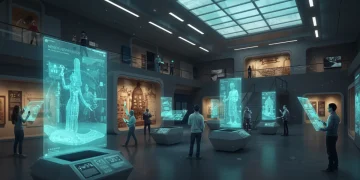
The process involves more than just scanning documents. Communities are employing sophisticated techniques to capture cultural assets in high fidelity. This includes 3D modeling of historical sites, high-resolution photography of artifacts, and audio-visual recordings of oral histories and traditional performances. The goal is to create immersive digital experiences that convey the essence and context of the original cultural elements.
- 3D Laser Scanning: Captures intricate details of buildings and objects, allowing for virtual tours and reconstruction.
- Photogrammetry: Creates 3D models from 2D images, ideal for artifacts and smaller structures.
- High-Fidelity Audio Recording: Preserves linguistic nuances, traditional music, and spoken narratives with clarity.
- Virtual Reality (VR) and Augmented Reality (AR): Develops interactive experiences that transport users into historical settings or allow them to manipulate digital artifacts.
The digital renaissance of cultural archives is a transformative movement. It ensures that even as physical items age or are lost, their essence and information endure, ready to be studied, celebrated, and passed down. This approach is not merely about storage; it’s about dynamic, living preservation that keeps culture relevant and accessible in the 21st century.
Community-Led Revitalization and Heritage Stewardship
Cultural preservation is most effective when it originates from and is sustained by the communities themselves. American towns and cities are increasingly empowering local residents to take the lead in identifying, protecting, and revitalizing their unique heritage. This grassroots approach ensures that preservation efforts are authentic, relevant, and deeply embedded within the community’s identity and aspirations.
Instead of top-down directives, community-led initiatives foster a sense of ownership and collective responsibility. This often involves local historical societies, neighborhood associations, and indigenous groups collaborating on projects that reflect their specific cultural priorities. The results are often more vibrant and enduring, as they are directly tied to the community’s living traditions and values.
Empowering Local Voices
Key to this approach is providing resources and training to local volunteers and organizations. Workshops on archival practices, grant writing, and project management equip community members with the skills needed to effectively manage their cultural assets. This empowerment transforms residents into active stewards of their heritage, rather than passive recipients of preservation efforts.
- Oral History Projects: Residents interview elders to document personal stories, traditions, and historical events.
- Community Mapping: Locals identify culturally significant sites, landmarks, and intangible heritage within their neighborhoods.
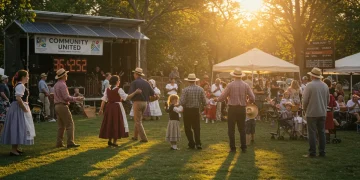
- Heritage Festivals: Organized by communities to celebrate and share their unique traditions, food, music, and arts.
- Adaptive Reuse of Historic Buildings: Converting old structures into community centers, museums, or cultural hubs, preserving their character while giving them new life.
Community-led revitalization is about recognizing that culture isn’t just in museums or textbooks; it lives in the daily lives, memories, and aspirations of people. By placing preservation in the hands of the community, America ensures that its cultural tapestry remains rich, diverse, and continually evolving.
Intergenerational Knowledge Transfer Programs
One of the most profound threats to cultural heritage is the loss of knowledge that resides within older generations. Traditional skills, languages, stories, and practices can vanish if not actively transmitted to younger generations. American communities are implementing innovative intergenerational programs designed to bridge this gap, creating direct pathways for elders to share their wisdom and expertise with youth.
These programs are not just about teaching; they foster deep connections between different age groups, building empathy and mutual respect. They recognize that cultural knowledge is often best learned through direct mentorship, hands-on experience, and storytelling, rather than solely through formal education.
Mentorship and Apprenticeship Models
Formal and informal mentorships are at the heart of effective intergenerational transfer. Young people are paired with elders who possess specific cultural knowledge or skills, such as traditional crafts, indigenous languages, culinary techniques, or historical narratives. These relationships often extend beyond the specific skill, creating bonds that strengthen community ties.
- Language Immersion Camps: Elders teach endangered indigenous languages to youth through daily activities and conversations.
- Traditional Craft Workshops: Older artisans pass down skills like weaving, pottery, or woodworking to apprentices.
- Oral Storytelling Circles: Elders share historical anecdotes and myths, fostering a love for narrative and cultural identity among listeners.
- Youth-Elder History Projects: Young people assist elders in documenting their life stories and community histories, often using digital tools.
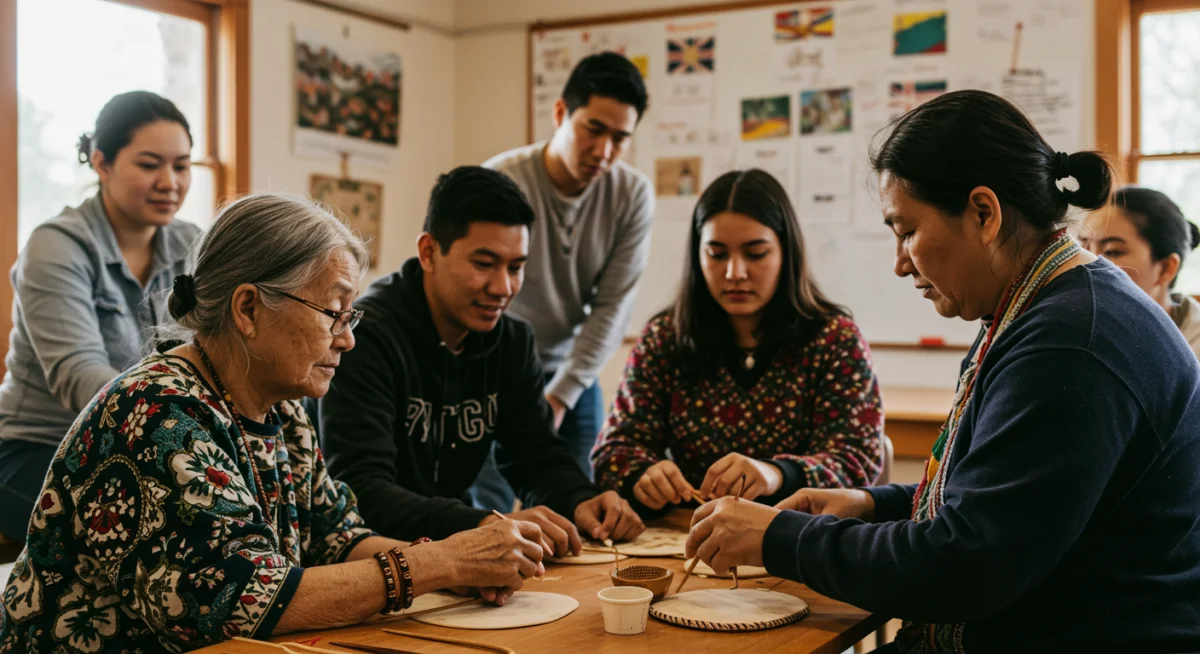
These programs are vital for ensuring the continuity of intangible cultural heritage. By valuing and facilitating the transfer of knowledge from one generation to the next, communities are actively cultivating the next wave of cultural stewards, ensuring that vital traditions endure and adapt for the future.
Sustainable Cultural Tourism and Economic Integration
Cultural preservation doesn’t have to be a financial burden; it can be a powerful engine for economic development when approached sustainably. American communities are increasingly leveraging their unique cultural assets to attract visitors, creating a virtuous cycle where tourism revenue directly supports preservation efforts. This approach focuses on authentic experiences that respect local traditions and benefit the community, rather than commodifying culture.
Sustainable cultural tourism encourages visitors to engage deeply with local heritage, often through immersive experiences like homestays, participation in traditional festivals, or workshops led by local artisans. This not only generates income but also raises awareness and appreciation for the culture being preserved, both locally and globally.
Ethical Tourism Practices
A key element of this approach is developing ethical guidelines for cultural tourism. This ensures that the influx of visitors does not inadvertently harm the very culture it seeks to celebrate. It involves educating tourists on respectful engagement, supporting local businesses, and ensuring that economic benefits are distributed equitably within the community.
- Heritage Trails and Tours: Guided experiences that highlight historical sites, cultural landmarks, and local narratives, often led by community members.
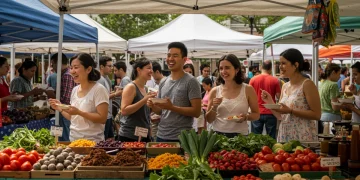
- Artisan Markets and Workshops: Providing platforms for local craftspeople to sell their goods and teach their skills to visitors, generating income and preserving traditions.
- Cultural Exchange Programs: Facilitating interactions between visitors and locals, fostering mutual understanding and appreciation.
- Community-Owned Cultural Enterprises: Businesses like traditional restaurants, guesthouses, or performance venues that are run by and benefit the local community.
By integrating cultural preservation with sustainable economic strategies, communities can create self-sustaining models that protect their heritage while simultaneously fostering local prosperity. This approach ensures that cultural assets are not just relics of the past but dynamic, living elements that contribute to a thriving present and future.
Policy Innovation and Funding for Cultural Initiatives
Beyond individual projects, a critical component of effective cultural preservation is the development of supportive policy frameworks and diverse funding mechanisms. American communities and states are increasingly exploring innovative governmental and philanthropic strategies to ensure long-term sustainability for cultural initiatives. This includes advocating for legislation that protects cultural sites, establishing dedicated funding streams, and fostering public-private partnerships.
These policy innovations provide the necessary infrastructure and resources for preservation efforts to scale and endure. They recognize that cultural heritage is a public good, deserving of sustained investment and protection, much like environmental resources or public education.
Creative Funding Models
Traditional grant funding is often insufficient for the vast array of preservation needs. Communities are exploring alternative and complementary funding models, including cultural endowments, crowdfunding, and leveraging tax incentives for heritage restoration. These diverse sources ensure a more robust and resilient financial base.
- Cultural Heritage Endowments: Long-term funds established to provide ongoing support for preservation projects and cultural programming.
- Crowdfunding Campaigns: Utilizing online platforms to raise funds directly from the public for specific cultural preservation projects.
- Tax Credits for Historic Preservation: Offering financial incentives to property owners who restore and maintain historic buildings.
- Public-Private Partnerships: Collaborations between government agencies, corporations, and non-profits to pool resources for large-scale cultural initiatives.
Policy innovation and creative funding are foundational to robust cultural preservation. By establishing a supportive legal and financial environment, American communities are building a resilient ecosystem where their rich and varied heritage can not only survive but truly flourish for generations to come.
Collaborative Networks and Shared Best Practices
No single community exists in isolation, and the challenges of cultural preservation are often shared. Recognizing this, American communities are forging stronger collaborative networks, both regionally and nationally, to share best practices, resources, and expertise. This collective approach amplifies individual efforts and fosters a sense of solidarity in the mission to safeguard heritage.
These networks facilitate the exchange of successful strategies, lessons learned from challenges, and innovative solutions. They allow smaller communities with limited resources to benefit from the experiences of larger institutions, and they create a platform for advocating for cultural preservation at broader governmental levels.
Knowledge Sharing Platforms
Digital platforms and regular convenings play a crucial role in facilitating this knowledge exchange. Online repositories of case studies, virtual forums, and annual conferences allow practitioners to connect, learn, and adapt successful models to their unique local contexts.
- National Preservation Conferences: Annual gatherings for professionals and volunteers to discuss trends, present research, and network.
- Online Resource Hubs: Websites and databases offering guides, toolkits, and examples of successful preservation projects.
- Regional Cultural Alliances: Groups of neighboring communities collaborating on shared heritage initiatives, such as historic trails or cultural festivals.
- Peer-to-Peer Mentorship Programs: Experienced preservationists guide newer entrants or communities facing similar challenges.
Through collaborative networks and the sharing of best practices, American communities are building a powerful, interconnected movement for cultural preservation. This solidarity ensures that innovation is disseminated rapidly and effectively, making the collective effort stronger and more impactful in safeguarding America’s diverse cultural legacy.
| Key Approach | Brief Description |
|---|---|
| Digital Archiving | Utilizing advanced technology to digitize and preserve cultural assets, ensuring accessibility and longevity. |
| Community-Led Stewardship | Empowering local residents to identify, protect, and revitalize their unique cultural heritage. |
| Intergenerational Transfer | Creating programs for elders to transfer traditional knowledge, skills, and stories to younger generations. |
| Sustainable Cultural Tourism | Leveraging cultural assets for economic development through ethical tourism that supports preservation. |
Frequently Asked Questions About Cultural Preservation
Digital cultural preservation involves using modern technology like 3D scanning, high-resolution imaging, and audio-visual recording to convert and store cultural artifacts, historical documents, and intangible heritage in digital formats. This ensures their longevity, accessibility, and protection against physical damage or loss, making them available to a global audience.
Community involvement is crucial because it ensures preservation efforts are authentic and relevant to the people whose heritage is being protected. When local residents lead initiatives, they bring unique insights, foster a sense of ownership, and guarantee that cultural expressions are sustained in ways that resonate with their living traditions and values.
Intergenerational programs facilitate the direct transfer of knowledge, skills, and stories from elders to youth. This hands-on mentorship ensures that traditional crafts, languages, oral histories, and practices are not lost with passing generations. These programs strengthen community bonds and cultivate new cultural stewards for the future.
Yes, sustainable cultural tourism can genuinely support preservation by generating revenue that is reinvested into heritage projects. When managed ethically, it encourages visitors to appreciate local traditions, supports local artisans, and raises awareness globally. This creates a positive feedback loop where cultural assets become economically viable, ensuring their continued protection.
Policy and funding are foundational, providing the necessary infrastructure and resources for preservation efforts. Innovative policies protect cultural sites, while diverse funding models (like endowments, crowdfunding, and tax incentives) ensure financial stability. This creates a robust environment where cultural initiatives can thrive and achieve long-term success beyond project-specific grants.
Conclusion
The landscape of cultural preservation in America is undergoing a significant transformation. By mid-2026, the adoption of innovative cultural preservation approaches—from sophisticated digital archiving and community-led initiatives to vital intergenerational knowledge transfer and sustainable cultural tourism—demonstrates a proactive commitment to safeguarding our diverse heritage. These strategies are not merely about looking backward; they are about actively building a future where the rich tapestry of American culture remains vibrant, accessible, and deeply valued by all generations. As communities continue to collaborate and innovate, the prospect of a well-preserved and celebrated cultural legacy grows ever brighter.