
Author: Carlos Carvalho
Carlos Carvalho holds a degree in Social Communication and specializes in Digital Marketing and Content Strategies. With solid experience in creating persuasive copy and managing digital projects, he stands out in developing content optimized for performance and engagement. Throughout his career, he has worked on various online projects, creating campaigns and articles focused on market trends. Currently, he is dedicated to producing informative content, consistently aligning quality, clarity, and relevance for the audience.

Cybersecurity Threats to US National Infrastructure: 2025 Strategies
The US faces escalating cybersecurity threats to its national infrastructure, necessitating robust preparedness and innovative response strategies for 2025 and beyond to protect essential services and critical systems.
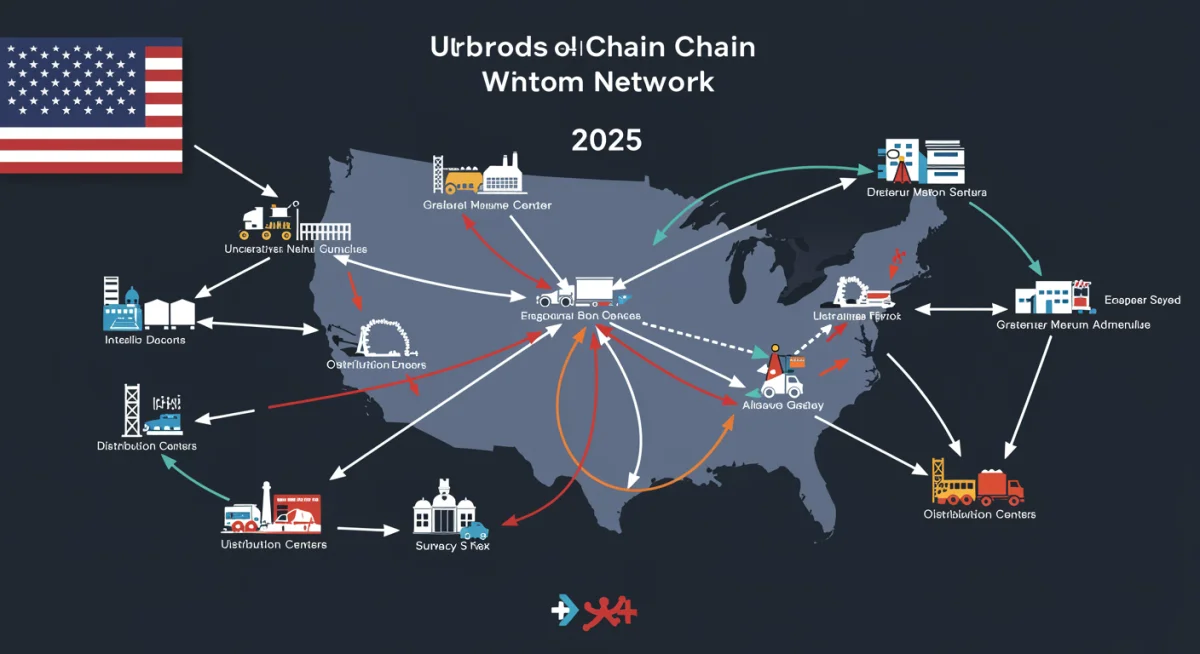
U.S. Supply Chain Resilience 2025: 15% Domestic Sourcing Boost
By 2025, U.S. industries are strategically increasing domestic sourcing by 15% to enhance supply chain resilience, mitigating future disruptions and driving significant economic benefits across various sectors.

2025 Geopolitical Chessboard: Global Shifts & U.S. Security
The 2025 geopolitical chessboard is defined by significant global power shifts, demanding a nuanced understanding of their direct impact on U.S. national security strategies and international alliances.
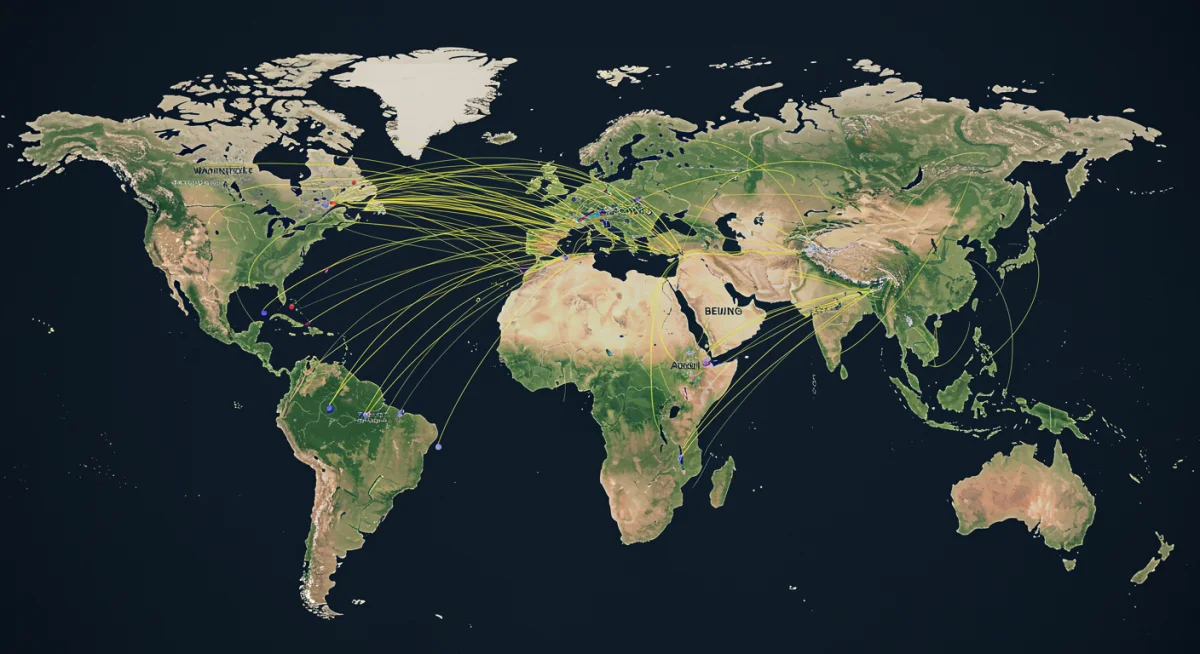
Navigating the New Cold War: U.S. Policy Adjustments 2025
The U.S. must urgently recalibrate its foreign policy by 2025, adapting to the strengthened Russia-China alliance, which reshapes global power dynamics and necessitates strategic adjustments in defense, economics, and diplomacy.

Social media’s impact on youth mental wellness 2025
The pervasive influence of social media profoundly shapes American youth culture, presenting significant challenges and opportunities for mental wellness in 2025, demanding a nuanced understanding of its complex effects.

U.S. Infrastructure Investment 2025: $550 Billion Plan
The 2025 U.S. infrastructure investment plan, allocating $550 billion to modernize transportation, promises significant economic benefits, including job creation, enhanced efficiency, and improved national competitiveness across various sectors.