Volunteerism in American Culture: A 2025 Civic Engagement Snapshot
The role of volunteerism in American culture in 2025 is characterized by a significant embrace of digital platforms and a heightened focus on local community resilience, reflecting a dynamic evolution in how citizens contribute to societal well-being.
As we navigate 2025, understanding the role of volunteerism in American culture: a 2025 snapshot of civic engagement is more crucial than ever. This year reveals a fascinating evolution in how Americans dedicate their time and skills to the greater good. What drives this spirit of service, and how has it adapted to a rapidly changing world?
The evolving landscape of American generosity
Volunteerism has always been a cornerstone of American society, reflecting a deep-seated belief in community and mutual support. In 2025, this spirit remains vibrant, though its manifestations are continually adapting to new social challenges and technological advancements. The motivations behind volunteering are becoming increasingly diverse, moving beyond traditional altruism to include skill development, networking, and a desire for tangible local impact.
The commitment to civic engagement is not just about hours logged; it’s about the quality of engagement and the strategic application of individual talents. Organizations are increasingly seeking volunteers with specialized skills, from digital marketing to data analysis, transforming the volunteer experience into a more professionalized endeavor. This shift benefits both volunteers, who gain valuable experience, and organizations, which enhance their operational efficiency.
Generational shifts in giving back
Different generations approach volunteering with distinct priorities and methods. While older generations often favor established institutions and long-term commitments, younger demographics are drawn to flexible, impact-driven opportunities. This generational blend creates a rich tapestry of engagement.
- Gen Z and Millennials: Often seek short-term, high-impact projects, frequently leveraging social media for awareness and recruitment.
- Gen X: Balance family and career with volunteering, often taking on leadership roles in local community initiatives.
- Baby Boomers and Seniors: Continue to be a significant force, offering extensive experience and often committing to long-term roles, particularly in mentorship and advisory capacities.
These generational differences underscore the need for volunteer organizations to diversify their outreach and engagement strategies. Understanding what motivates each demographic is key to fostering sustained civic participation across the age spectrum. The future of American volunteerism relies on successfully integrating these varied approaches into a cohesive national effort.
Technology’s transformative impact on civic action
In 2025, technology is no longer just a tool for communication; it is an intrinsic part of how volunteerism is organized, executed, and amplified. Digital platforms have revolutionized access to opportunities, making it easier than ever for individuals to find causes that resonate with them and to contribute their time and skills, regardless of geographical barriers.
From virtual volunteering to crowdfunding for local projects, the digital sphere has expanded the definition of civic engagement. This technological integration has also enabled organizations to streamline their operations, from volunteer recruitment and training to impact measurement and reporting, leading to greater efficiency and transparency in their efforts.
Virtual volunteering and its growth
The rise of virtual volunteering has been one of the most significant trends, accelerated by recent global events but now a permanent fixture. This allows individuals to contribute from anywhere, breaking down physical barriers and opening up opportunities for people with mobility challenges or time constraints.
- Skill-based virtual roles: Graphic design, web development, content writing, and social media management are frequently sought after.
- Online mentorship programs: Connect experienced professionals with individuals seeking guidance, often across different states.
- Digital advocacy: Campaigns and petitions gain traction through online platforms, mobilizing vast numbers of people for policy change.
The flexibility offered by virtual volunteering appeals to a broad demographic, including students, professionals, and stay-at-home parents, who can integrate service into their busy lives. This model ensures that civic engagement remains accessible and inclusive, further strengthening the fabric of American communities.
Local community focus and resilience efforts
While global issues often capture headlines, the heart of American volunteerism in 2025 remains firmly rooted in local communities. There’s a noticeable trend towards initiatives that build local resilience, address immediate neighborhood needs, and strengthen social bonds at a grassroots level. This hyper-local focus reflects a desire for tangible, visible impact.
From urban gardens to neighborhood watch programs, community-led efforts are thriving. Volunteers are increasingly involved in disaster preparedness, local food security, and supporting vulnerable populations within their immediate vicinity. This localized approach fosters a stronger sense of belonging and collective responsibility, essential for community well-being.
Addressing pressing local needs
Volunteer efforts are strategically targeting specific community challenges, offering direct support and fostering sustainable solutions. These efforts are often a direct response to gaps in public services or emerging social issues.
- Food insecurity: Volunteers manage food banks, deliver meals, and support community gardens to ensure access to nutritious food.
- Educational support: Tutors, mentors, and after-school program assistants help bridge educational disparities within neighborhoods.
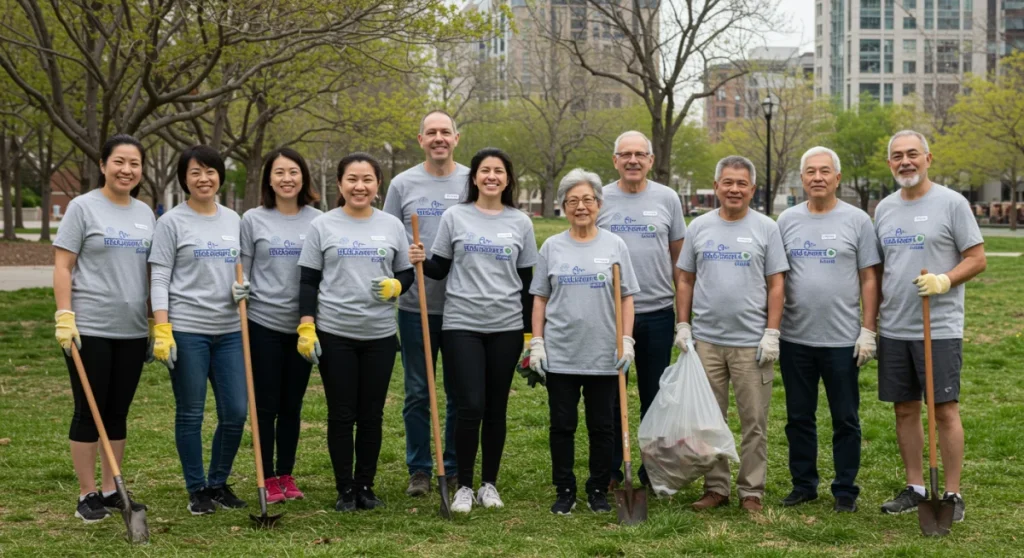
- Environmental stewardship: Local park cleanups, tree planting initiatives, and conservation projects are common, enhancing local green spaces.
The emphasis on local needs highlights a pragmatic approach to volunteerism, where individuals and groups identify specific problems and work collaboratively to implement solutions. This direct engagement generates a strong sense of ownership and pride within communities, reinforcing the idea that collective action can indeed bring about meaningful change.
Corporate social responsibility and employee engagement
Corporate social responsibility (CSR) initiatives continue to play a significant role in American volunteerism in 2025. Companies are increasingly recognizing the value of encouraging employee volunteerism, not only for community benefit but also for enhancing employee morale, fostering team building, and improving public perception. This symbiotic relationship between corporations and communities is evolving.
Many companies now offer paid volunteer days, match employee donations, and organize team-based volunteer projects. These programs often align with the company’s values or industry, allowing employees to apply their professional skills to social causes. The strategic integration of volunteerism into corporate culture demonstrates a broader commitment to societal well-being beyond mere profit generation.
The benefits of corporate volunteering
Employee volunteer programs offer a myriad of benefits that extend beyond the immediate impact on the community. These programs are increasingly seen as integral to talent acquisition and retention strategies.
- Enhanced employee morale: Employees feel a greater sense of purpose and connection to their workplace.
- Skill development: Volunteers often develop new skills or hone existing ones in a different context, which can benefit their professional growth.
- Positive brand image: Companies that actively engage in community service are often viewed more favorably by consumers and stakeholders.
The trend towards robust corporate volunteer programs underscores a growing understanding that businesses have a vital role to play in fostering civic engagement. By providing resources and opportunities, companies empower their employees to become active participants in addressing societal challenges, creating a ripple effect of positive change.
Challenges and opportunities in volunteer recruitment
Despite the enduring spirit of volunteerism, organizations face persistent challenges in recruitment and retention. Competition for volunteers’ time, coupled with evolving expectations, necessitates innovative approaches to engagement. Understanding these dynamics is crucial for sustaining and growing the volunteer workforce in 2025.
Volunteer organizations are increasingly focusing on creating fulfilling and flexible experiences that cater to diverse needs and motivations. This includes offering clear pathways for advancement, providing adequate training and support, and recognizing volunteers’ contributions in meaningful ways. The goal is to move beyond transactional relationships to foster genuine partnerships with volunteers.
Overcoming recruitment hurdles
Recruitment strategies are becoming more sophisticated, leveraging data and technology to target potential volunteers more effectively. Organizations are also emphasizing the personal benefits of volunteering, such as skill acquisition and social connection, to attract new participants.
- Personalized outreach: Tailoring volunteer opportunities to individual interests and skills increases engagement.
- Flexible scheduling: Offering diverse time commitments, from one-off events to sustained projects, accommodates varied lifestyles.
- Impact communication: Clearly demonstrating the tangible results of volunteer efforts motivates continued participation.
Addressing these challenges requires a proactive and adaptive approach. Organizations that are agile in their recruitment and retention strategies, and that genuinely value their volunteers, will be best positioned to thrive in the competitive landscape of civic engagement. The future success of volunteerism hinges on these innovative adaptations.
The future trajectory of American civic engagement
Looking ahead, the trajectory of American civic engagement in 2025 suggests a continued evolution towards more personalized, technology-driven, and impact-focused volunteer experiences. The desire to contribute to society remains strong, but the methods and motivations behind this contribution are becoming more nuanced. This dynamic environment presents both challenges and exciting opportunities for growth.
The emphasis on measurable impact and transparency will likely grow, pushing organizations to adopt more sophisticated tools for tracking and reporting their outcomes. Furthermore, the integration of volunteerism into educational curricula and professional development programs could further embed civic engagement as a core societal value. The future promises a more integrated and intentional approach to giving back.
Emerging trends and predictions
Several key trends are expected to shape the future of volunteerism, reflecting broader societal shifts and technological advancements. These trends will likely redefine how Americans engage with their communities and contribute to the common good.
- Hyper-specialized volunteering: A growing demand for volunteers with niche skills, from AI literacy to drone operation for disaster relief.
- Gamification of service: Integrating game-like elements into volunteer platforms to increase engagement and motivation.
- Cross-sector collaborations: Increased partnerships between non-profits, corporations, and government agencies for large-scale social impact projects.
These emerging trends highlight a future where volunteerism is not just an act of charity but a strategic component of societal development. As American culture continues to evolve, so too will the ways in which its citizens step up to serve, ensuring that the spirit of civic engagement remains a powerful force for good.
| Key Aspect | 2025 Snapshot |
|---|---|
| Technological Integration | Digital platforms and virtual volunteering are central to recruitment and participation. |
| Generational Shifts | Younger generations favor short-term, high-impact roles; older generations offer long-term commitment. |
| Local Community Focus | Strong emphasis on addressing immediate neighborhood needs and building resilience. |
| Corporate Engagement | Companies increasingly integrate volunteerism into CSR for employee morale and brand image. |
Frequently asked questions about American volunteerism in 2025
Technology has profoundly transformed volunteerism by enabling virtual opportunities, streamlining recruitment, and enhancing communication. Digital platforms make it easier to find and engage with causes, allowing for flexible contributions from anywhere, which broadens participation significantly.
Motivations are diverse, including a desire for community impact, personal skill development, and networking. Younger generations often seek short-term, impactful projects, while older demographics commit to long-term roles, reflecting a blend of altruism and personal growth.
Yes, there’s a strong emphasis on local community resilience. Many volunteers are drawn to initiatives that address immediate neighborhood needs, such as food security, educational support, and environmental stewardship, fostering a tangible sense of impact and belonging.
Corporate social responsibility (CSR) programs are significant, with companies offering paid volunteer days and organizing team projects. This not only benefits communities but also boosts employee morale, enhances skill development, and improves the company’s public image and talent retention.
Organizations face challenges in recruiting and retaining volunteers due to competition for time and evolving expectations. They are adapting by offering personalized outreach, flexible scheduling, and clearly communicating the impact of volunteer efforts to foster sustained engagement.
Conclusion
The role of volunteerism in American culture: a 2025 snapshot of civic engagement reveals a dynamic and adaptive landscape. While the core values of community and service remain steadfast, the methods and motivations for giving back are continually evolving. Technology has opened new avenues for participation, local initiatives are gaining renewed focus, and corporate engagement is becoming a powerful force. Despite challenges in recruitment, the spirit of generosity and collective action continues to thrive, promising a future where civic engagement remains a vital component of American identity, constantly innovating to meet the needs of a changing world.