The Evolving Landscape of American Social Norms: 2026 Insights into Generational Shifts and Their Impact on Public Discourse
As we navigate the mid-2020s, the fabric of American society continues its dynamic evolution, driven by a confluence of technological advancements, demographic shifts, and a re-evaluation of long-held values. Understanding the current state of American Social Norms in 2026 is not merely an academic exercise; it’s essential for businesses, policymakers, community leaders, and individuals seeking to connect meaningfully in an increasingly complex world. This article delves into the profound generational shifts that are reshaping societal expectations, influencing public discourse, and ultimately redefining what it means to be American.
The Shifting Sands of Generational Influence
The United States has always been a melting pot, but the distinct characteristics of its living generations—from the Silent Generation to Gen Alpha—have never been more pronounced in their impact on American Social Norms. Each generation, forged by unique historical events and technological environments, brings a different set of priorities, communication styles, and ethical considerations to the societal table. By 2026, the influence of Millennials and Gen Z is not just growing; it’s becoming dominant in shaping mainstream culture and expectations.
Millennials: The Bridge Generation
Millennials, now firmly in their prime working and parenting years, serve as a crucial bridge. They grew up witnessing the dawn of the internet and the explosion of social media, making them digital natives but also retaining a memory of a pre-digital world. Their influence on American Social Norms is characterized by a push for work-life balance, corporate social responsibility, and a more inclusive approach to diversity. They’ve normalized flexible work arrangements, championed environmental consciousness, and redefined traditional family structures. Their consumer habits often prioritize experiences over possessions, and their political engagement tends to be issue-driven rather than strictly party-line.
Gen Z: Digital Natives and Agents of Change
Gen Z, having never known a world without the internet, smartphones, or social media, are true digital natives. Their approach to American Social Norms is characterized by radical transparency, authenticity, and a deep-seated commitment to social justice. They are less tolerant of hypocrisy, demand greater accountability from institutions, and are highly adept at leveraging digital platforms for activism and community building. This generation is driving conversations around mental health, gender identity, and systemic inequality. Their communication is often concise, visual, and highly personalized, influencing everything from marketing to political campaigns.
Gen X and Baby Boomers: Adapting and Resisting
While Millennials and Gen Z are setting many of the new trends, Gen X and Baby Boomers continue to hold significant economic and political power. Gen X, often overlooked, acts as a pragmatic buffer, having witnessed significant societal changes and often holding a more cynical view of institutions. Baby Boomers, while gradually ceding cultural dominance, still represent considerable voting power and wealth. Their interactions with evolving American Social Norms often involve a mix of adaptation, particularly with technology, and resistance to changes they perceive as eroding traditional values. The friction and synergy between these generational perspectives are central to the current state of public discourse.
Technology’s Unyielding Grip on Social Interaction
The relentless march of technology remains the most significant catalyst for change in American Social Norms. In 2026, the lines between online and offline life are blurrier than ever, impacting everything from how we form relationships to how we consume information.
Social Media: The Double-Edged Sword
Social media platforms continue to evolve, with new apps and features constantly emerging. While they facilitate unprecedented connectivity and allow for the rapid dissemination of information and social movements, they also contribute to echo chambers, misinformation, and a pervasive culture of comparison. The performative aspect of online life has spilled over into real-world interactions, making authenticity a highly valued, yet sometimes elusive, trait in American Social Norms.
AI and Virtual Realities: The Next Frontier
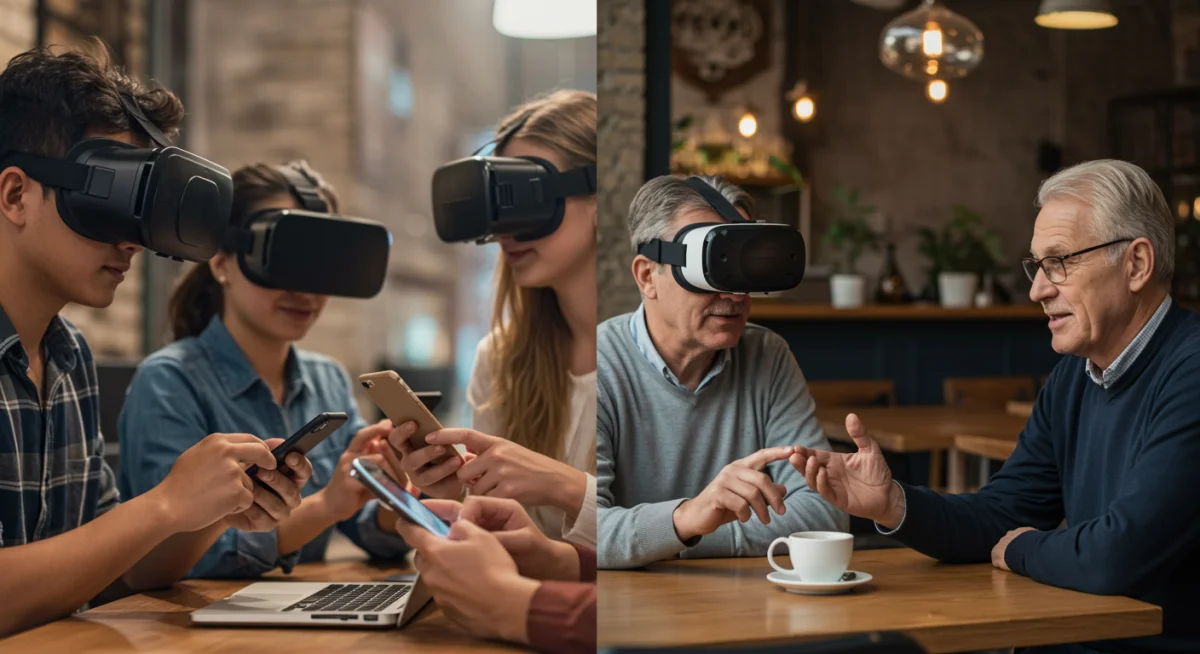
Artificial intelligence (AI) is no longer a futuristic concept but an integrated part of daily life, influencing recommendations, content creation, and even personal assistance. Its impact on American Social Norms is subtle but profound, shaping information consumption and potentially altering human cognitive processes. Furthermore, the rise of augmented reality (AR) and virtual reality (VR) technologies is beginning to create new social spaces and forms of interaction, raising questions about identity, presence, and the nature of shared experiences. These technologies promise both unprecedented connection and potential for increased isolation.
Redefining Personal Space and Public Decorum
The concept of personal space and appropriate public behavior is continually being renegotiated. What was once considered rude or intrusive might now be commonplace, and vice versa. These shifts are deeply embedded in the evolving American Social Norms.
Boundaries in the Digital Age
The digital age has blurred the boundaries of personal and professional life. The expectation of immediate responses, the constant availability through messaging apps, and the sharing of personal information online have redefined what constitutes privacy and respect. Navigating these digital boundaries is a significant aspect of contemporary American Social Norms, with younger generations often more comfortable with public vulnerability, while older generations may find it jarring.
The Evolution of Politeness and Etiquette
Traditional notions of politeness and etiquette are also undergoing scrutiny. While fundamental respect remains important, the specific manifestations have changed. For instance, the etiquette around mobile phone use in public spaces is in constant flux, with varying degrees of acceptance for loud conversations or constant scrolling. The language used in public discourse, particularly online, has become more direct and often confrontational, challenging older norms of deferential communication.
The Reshaping of Public Discourse
Perhaps nowhere are the shifts in American Social Norms more evident than in the realm of public discourse. The way Americans discuss contentious issues, engage with different viewpoints, and form collective opinions has been fundamentally altered.
Polarization and Identity Politics
Political and social polarization continues to be a defining feature of American Social Norms in 2026. Identity politics, fueled by a greater awareness of diverse experiences and historical injustices, plays a significant role in shaping these discussions. Conversations often revolve around group identity, systemic issues, and the impact of policies on specific communities. While this has led to increased representation and advocacy for marginalized groups, it has also sometimes exacerbated divisions, making common ground harder to find.
The Role of Media in Shaping Narratives
The media landscape is more fragmented than ever, with individuals consuming information from a myriad of sources, often tailored to their existing beliefs. This personalization of news feeds contributes to the formation of echo chambers, where individuals are rarely exposed to dissenting opinions. Understanding this dynamic is crucial for comprehending the current state of American Social Norms, as shared narratives become rarer and different groups operate with vastly different sets of ‘facts’ and interpretations of reality.
Cancel Culture and Accountability
The phenomenon of ‘cancel culture,’ while often debated, reflects a significant shift in American Social Norms regarding accountability. With the power of social media, individuals and institutions can be held to account for past actions or statements with unprecedented speed and scale. This has led to both positive outcomes, such as greater corporate responsibility and social justice, and negative ones, including excessive punishment for minor offenses or a chilling effect on free speech, as individuals fear public backlash.
Work, Education, and Family: Pillars Undergoing Transformation
Beyond individual interactions and public discourse, the fundamental institutions of American life—work, education, and family—are experiencing profound changes driven by evolving American Social Norms.
The Future of Work: Flexibility and Purpose
The pandemic accelerated trends towards remote and hybrid work models, which are now firmly entrenched in many industries. This shift has fundamentally altered American Social Norms around work-life integration, commuting, and the very definition of a ‘professional’ environment. Younger generations, in particular, prioritize purpose-driven work, flexibility, and mental well-being over traditional career ladders and rigid hierarchies. This is leading to a re-evaluation of employer-employee relationships and the structures of organizations.
Education: Beyond the Traditional Classroom
Education is also adapting to new American Social Norms. Online learning, once a niche, is now a mainstream component of K-12 and higher education. There’s a growing emphasis on skills-based learning, critical thinking, and digital literacy, reflecting the demands of a rapidly changing job market and information environment. Discussions around equitable access to technology and resources for all students are more urgent than ever, as disparities in digital access exacerbate existing inequalities.
Family Structures: Diversity and Acceptance
Traditional family structures continue to diversify, with greater acceptance of single-parent households, same-sex parents, blended families, and individuals choosing not to marry or have children. These evolving American Social Norms reflect a broader societal embrace of individual choice and a move away from prescriptive ideals of family life. The support networks for families are also changing, with digital communities and extended chosen families playing an increasingly important role.
The Quest for Authenticity and Well-being
Underneath many of these shifts in American Social Norms lies a pervasive quest for authenticity and well-being. After years of performative online lives and heightened societal pressures, there’s a growing desire for genuine connection and a focus on mental and physical health.
Mental Health Awareness
The destigmatization of mental health issues is one of the most significant positive shifts in recent American Social Norms. Younger generations are far more open about discussing their struggles, seeking help, and advocating for mental health resources. This increased awareness is influencing workplaces, schools, and healthcare systems, pushing for more holistic approaches to well-being.
Mindfulness and Conscious Living
There’s a growing trend towards mindfulness, conscious consumption, and sustainable living. This reflects a desire to slow down, reduce environmental impact, and make choices that align with personal values. While still evolving, these practices are becoming more integrated into mainstream American Social Norms, influencing consumer choices, travel habits, and daily routines.
Challenges and Opportunities in a Changing Society
The rapid evolution of American Social Norms presents both significant challenges and exciting opportunities for the future.
Bridging Generational Divides
One of the primary challenges is bridging the communication and value gaps between generations. Understanding and respecting different perspectives, rather than dismissing them, is crucial for fostering a cohesive society. Initiatives that encourage intergenerational dialogue and collaboration can help build empathy and find common ground.
Navigating the Digital Divide
Ensuring equitable access to technology and digital literacy skills remains a critical challenge. As more aspects of life move online, those without access or proficiency risk being left behind. Policies and community programs aimed at closing the digital divide are essential for inclusive American Social Norms.
Fostering Healthy Public Discourse
Rebuilding trust in institutions and fostering healthier public discourse is paramount. This involves promoting media literacy, critical thinking, and encouraging civil debate even amidst disagreement. The ability to engage with diverse viewpoints respectfully is a cornerstone of a functional democracy and a key aspect of evolving American Social Norms.
Conclusion: Embracing the Future of American Social Norms
The landscape of American Social Norms in 2026 is a vibrant, complex tapestry woven from generational experiences, technological advancements, and a continuous re-evaluation of core values. From the way we communicate and interact to how we work, learn, and form families, every aspect of society is undergoing transformation. While challenges such as polarization and digital divides persist, there are also immense opportunities for greater inclusivity, authenticity, and a deeper focus on well-being.
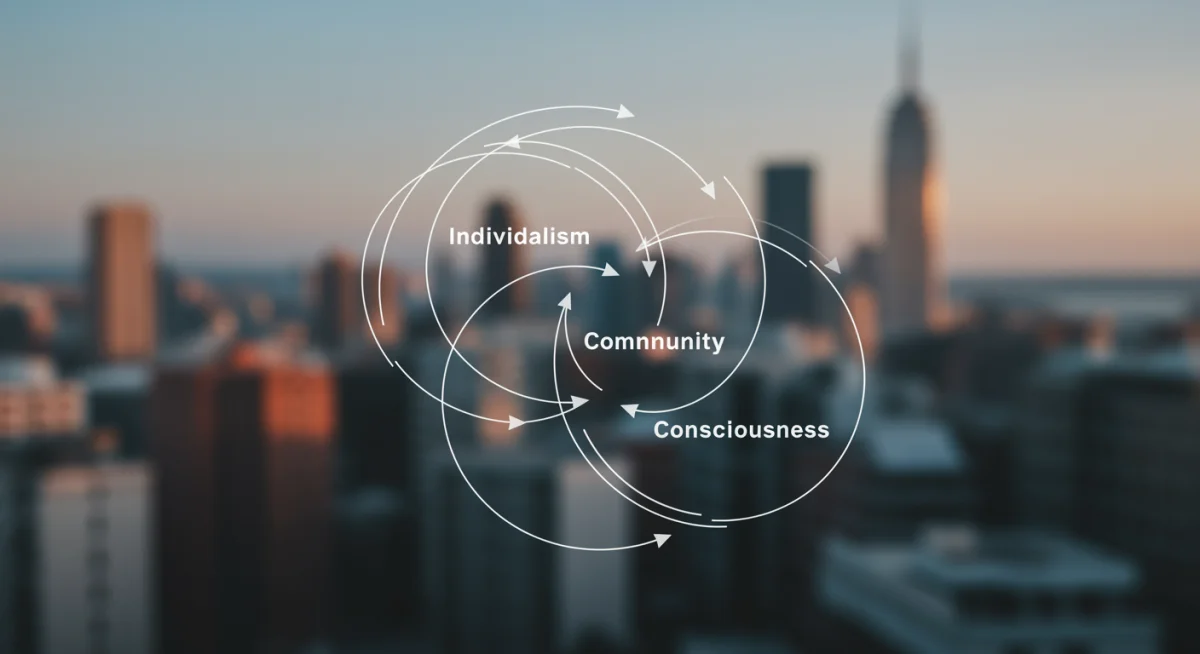
Understanding these evolving norms is not just about keeping pace; it’s about actively shaping a future where individuals can thrive, communities can connect meaningfully, and public discourse can lead to constructive progress. The ongoing dialogue between tradition and innovation, individualism and community, will continue to define the unique and ever-changing character of American Social Norms for years to come.