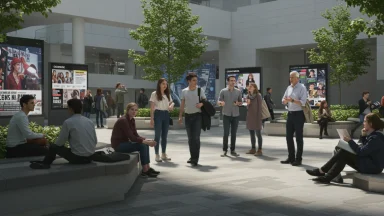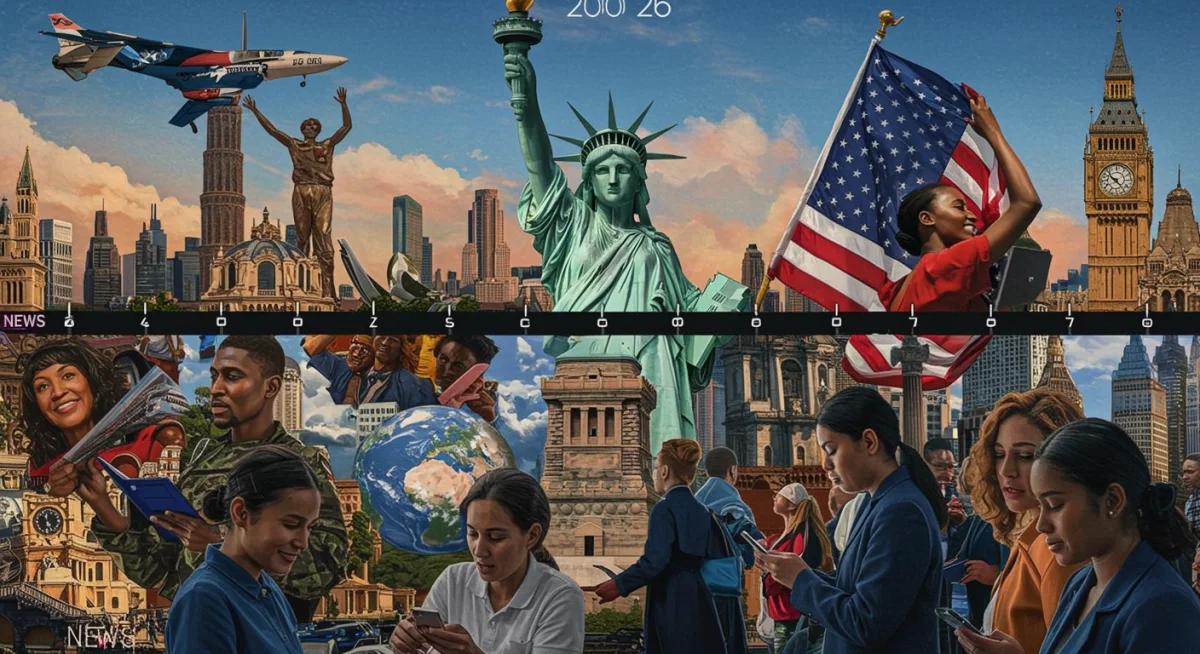
America’s cultural identity is undergoing profound shifts, driven by demographic changes, digital advancements, and evolving social values, all pointing towards a more inclusive society by 2026.
The fabric of American society is in constant motion, a dynamic tapestry woven from countless individual threads. By 2026, we anticipate significant advancements in America’s cultural identity, driven by evolving demographics, technological integration, and a renewed focus on inclusivity. What forces are shaping this transformation, and what will the landscape of American culture look like in the near future?
The Demographic Imperative: A More Diverse Nation
America has always been a melting pot, but the pace and nature of demographic change are accelerating, creating a more complex and vibrant cultural mosaic. This shift isn’t just about numbers; it’s about the integration of diverse traditions, perspectives, and experiences into the national narrative.
The increasing diversity is profoundly impacting everything from consumer markets to political discourse, challenging long-held notions of what it means to be American. This demographic imperative is a foundational element in understanding the broader cultural shifts.
Ethnic and Racial Composition
The U.S. Census Bureau projects that by 2045, no single racial or ethnic group will constitute a majority in the United States. This trend is already highly visible and will be even more pronounced by 2026.
- Growth of Hispanic/Latino populations, becoming a major cultural and economic force.
- Continued expansion of Asian American communities, bringing rich traditions and innovation.
- The evolving self-identification of multiracial individuals, blurring traditional categories.
These changes are leading to a re-evaluation of cultural norms and a greater appreciation for pluralism. The influence of these groups is not just additive but transformative, reshaping mainstream culture.
Generational Shifts and Values
Each generation brings its unique values and perspectives, and the ascendancy of Generation Z and younger millennials is particularly influential.
- Greater emphasis on social justice, environmental sustainability, and mental well-being.
- Higher comfort with diversity and fluidity in identity, including gender and sexuality.
- A preference for authenticity and transparency from institutions and brands.
These generational values are driving conversations around equity and representation, pushing society towards more inclusive practices. Understanding these demographic shifts is crucial for grasping the trajectory of America’s cultural evolution.
Digital Echoes and Real-World Impact: The Internet’s Role
The digital realm is no longer a separate space but an integral part of daily life, profoundly shaping how Americans interact, perceive themselves, and form communities. By 2026, the lines between online and offline identities will be even more blurred, with digital platforms acting as primary arenas for cultural expression and societal change.
This pervasive digital influence affects everything from political mobilization to the formation of subcultures, creating new avenues for connection and, at times, division. Recognizing the internet’s role is key to understanding contemporary cultural dynamics.
Social Media as a Cultural Crucible
Social media platforms continue to evolve, moving beyond simple connection to become powerful engines of cultural formation and dissemination. They facilitate rapid trend cycles and provide platforms for marginalized voices.
- Emergence of niche communities centered around shared interests, identities, or causes.
- The rise of influencer culture impacting consumer behavior and lifestyle choices.
- Accelerated discourse on social issues, leading to quicker mobilization and awareness.
These platforms serve as both mirrors and shapers of cultural identity, reflecting societal anxieties and aspirations while also actively constructing new norms.
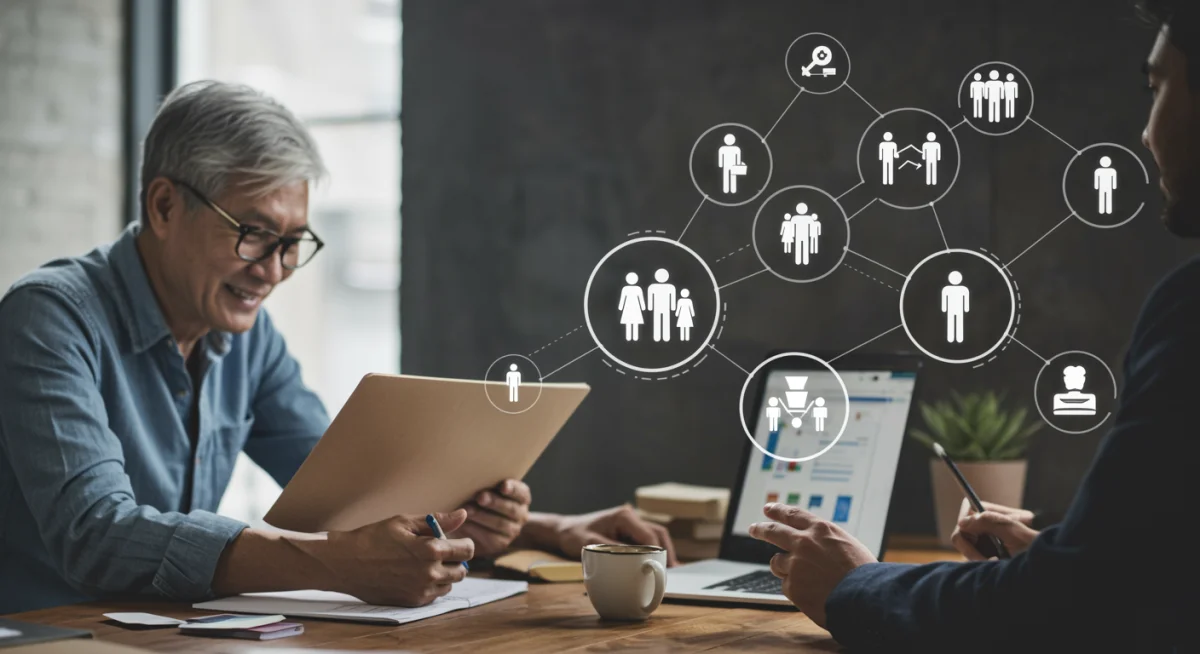
The digital landscape also presents challenges, including the spread of misinformation and the formation of echo chambers. However, its undeniable power in shaping cultural narratives and fostering new forms of community cannot be overstated. By 2026, digital literacy and critical engagement with online content will be even more vital for navigating this complex environment. The internet’s role in amplifying diverse voices and facilitating cross-cultural understanding will remain a critical factor in the ongoing evolution of America’s cultural identity.
Evolving Social Values: Inclusivity and Belonging
The pursuit of a more inclusive society is a defining characteristic of contemporary American culture. This isn’t just about tolerance but about actively creating spaces where all individuals feel valued, represented, and empowered. The push for inclusivity is manifesting across various sectors, from corporate boardrooms to educational institutions, reflecting a deep societal yearning for belonging.
This evolution in social values is reshaping institutional practices and individual behaviors, fostering a greater sense of shared responsibility for equity. The journey towards true inclusivity is complex, but the commitment to it is undeniable.
Identity Politics and Representation
Discussions around identity politics have intensified, focusing on the experiences and rights of various groups based on race, gender, sexuality, ability, and other characteristics. The demand for authentic representation in media, leadership, and public discourse is stronger than ever.
- Increased visibility and advocacy for LGBTQ+ rights and gender equality.
- Greater awareness of disability rights and accessibility in public spaces and digital interfaces.
- A critical examination of historical narratives to include diverse perspectives.
These conversations are leading to a more nuanced understanding of privilege and systemic inequality, driving efforts to dismantle barriers and promote equitable opportunities. The focus on intersectionality further highlights how various identities converge to shape individual experiences.
Corporate Social Responsibility and Ethical Consumption
Consumers, particularly younger generations, are increasingly aligning their purchasing decisions with their values. This has prompted businesses to adopt more robust corporate social responsibility (CSR) initiatives and transparent ethical practices.
- Demand for sustainable and ethically sourced products.
- Support for companies demonstrating commitment to diversity, equity, and inclusion (DEI).
- Boycotts and activism against brands perceived as engaging in harmful or unethical practices.
This trend signifies a broader cultural shift where economic power is being leveraged to promote social good, influencing corporate behavior and market trends. The emphasis on ethical consumption reflects a deeper cultural commitment to aligning actions with values, pushing for systemic change.
Reimagining Community and Connection
In an increasingly digital and diverse world, the concept of community is being reimagined. While traditional geographic communities remain important, new forms of connection are emerging, often spanning vast distances and diverse backgrounds. These new communities are built on shared interests, values, and digital interactions, offering alternative spaces for belonging and mutual support.
This redefinition of community is critical for understanding how individuals find meaning and solidarity in a rapidly changing society. It underscores a fundamental human need for connection, adapted to modern realities.
Hybrid Spaces: Blending Physical and Virtual
The pandemic accelerated the adoption of hybrid models for work, education, and social interaction, a trend that will solidify by 2026. These hybrid spaces allow for greater flexibility and accessibility, but also present challenges in fostering deep connections.
- Remote work models becoming standard for many industries, changing urban landscapes.
- Online learning platforms integrating with traditional education, offering broader access.
- Virtual events and gatherings supplementing or replacing physical ones, expanding reach.
These hybrid environments necessitate new strategies for fostering community and maintaining social cohesion, demanding innovative approaches to engagement. The blending of physical and virtual experiences is becoming the new normal.
Shared Experiences and Collective Storytelling
Despite increased individualization, there’s a strong desire for shared experiences and collective storytelling. This manifests in various ways, from collective activism to the consumption of shared cultural narratives.
- The power of shared cultural events, like major sporting events or artistic performances, to unite diverse audiences.
- Movements for social justice using collective narratives to build solidarity and drive change.
- The rise of participatory media, where audiences actively contribute to and shape stories.
These shared experiences help to bridge divides and reinforce a sense of collective identity, even amidst growing diversity. By 2026, the ability to weave compelling, inclusive narratives will be paramount for fostering a cohesive national identity.
The Evolution of Language and Communication
Language is a living entity, constantly evolving to reflect societal changes. In America, the evolution of language and communication is deeply intertwined with cultural shifts, particularly those related to inclusivity and digital interaction. By 2026, we will see continued adaptation in vocabulary, grammar, and communication styles to better accommodate diverse identities and digital-first interactions.
This linguistic evolution is not merely superficial; it reflects deeper changes in how society understands and expresses identity, respect, and connection. It is a powerful indicator of shifting cultural values.
Inclusive Language and Pronouns
The increasing awareness and acceptance of diverse gender identities have led to a greater emphasis on inclusive language, particularly the use of personal pronouns. This shift is becoming more normalized in public discourse and professional settings.
- Widespread adoption of gender-neutral language in official communications and media.
- Increased understanding and respect for chosen pronouns (e.g., they/them, she/her, he/him).
- Educational initiatives promoting inclusive language practices in schools and workplaces.
This linguistic evolution reflects a broader cultural commitment to respecting individual identities and fostering an environment where everyone feels acknowledged. It’s a tangible manifestation of the move towards greater inclusivity.
Digital Communication Styles and Slang
The rapid pace of digital communication continues to influence spoken and written language, especially among younger generations. Internet slang, memes, and emoji are becoming integral parts of everyday communication, often transcending traditional linguistic boundaries.
- The integration of internet-specific vocabulary into general conversation.
- Visual communication (emojis, GIFs, memes) playing a significant role in conveying emotion and meaning.
- The development of distinct communication styles within online communities.
These digital communication styles highlight the ongoing cultural blending of online and offline lives, showcasing how technology influences even the most fundamental aspects of human interaction. The evolution of language is a continuous process, mirroring the dynamic nature of American culture itself.
Navigating Polarization and Finding Common Ground
Despite the prevailing trends towards inclusivity and diversity, America continues to grapple with significant polarization. Political, social, and cultural divides often appear intractable, posing challenges to national unity. However, by 2026, there will be an intensified focus on strategies to navigate these divisions and actively seek common ground, recognizing that a truly inclusive society requires bridging gaps, not just acknowledging differences.
This effort to find common ground is a critical counter-narrative to the forces of division, suggesting a societal desire for cohesion amidst complexity. It’s about building bridges where walls once stood.
The Role of Media and Information Consumption
The media landscape plays a crucial role in shaping perceptions and contributing to polarization. The rise of partisan media and personalized algorithms often reinforces existing biases, making it difficult for individuals to encounter diverse viewpoints.
- Increased awareness of media literacy and critical consumption of information.
- Efforts to support independent journalism and fact-checking initiatives.
- Platforms exploring ways to reduce algorithmic amplification of divisive content.
Addressing media polarization is essential for fostering a more informed and less fragmented public discourse. Promoting balanced information consumption is a key step towards healing societal divides.
Dialogue and Deliberation
There’s a growing recognition of the need for constructive dialogue and deliberation across ideological lines. Initiatives promoting civil discourse and empathetic listening are gaining traction, aiming to move beyond debate to genuine understanding.
- Community-based programs facilitating conversations between diverse groups.
- Educational approaches emphasizing critical thinking and respectful disagreement.
- Leaders advocating for unity and collaboration over partisan conflict.
These efforts, though challenging, are vital for rebuilding trust and finding shared solutions to complex societal problems. By 2026, fostering environments for meaningful dialogue will be a cornerstone of a more inclusive American identity. The commitment to navigating polarization is a testament to the enduring American spirit of striving for a more perfect union.
The Future of Work and Economic Inclusion
The landscape of work is undergoing a profound transformation, driven by technological advancements, global economic shifts, and evolving employee expectations. By 2026, these changes will significantly impact economic inclusion, shaping who has access to opportunities and how wealth is distributed. Understanding these dynamics is crucial for ensuring that the promise of a more inclusive society extends to economic well-being for all.
This section explores how the future of work intersects with cultural identity, emphasizing the ongoing effort to create equitable economic pathways. The pursuit of economic inclusion is a vital component of a truly inclusive society.
Automation and the Skills Gap
The acceleration of automation and artificial intelligence (AI) is reshaping industries, creating new jobs while displacing others. This creates a potential skills gap, requiring continuous learning and adaptation from the workforce.
- Demand for digital literacy and specialized technical skills across various sectors.
- Increased investment in reskilling and upskilling programs for adult learners.
- The growing importance of ‘soft skills’ like critical thinking, creativity, and emotional intelligence.
Addressing the skills gap is key to ensuring that technological progress benefits all segments of society, preventing further economic stratification. Education and workforce development initiatives will be paramount.
Flexible Work Arrangements and the Gig Economy
The shift towards more flexible work arrangements, including remote work and the gig economy, offers both opportunities and challenges for economic inclusion. While providing flexibility, it also raises questions about worker protections and benefits.
- Expansion of remote-first companies, opening up job markets beyond traditional urban centers.
- The proliferation of independent contractors and freelancers, requiring new social safety nets.
- Debates around fair wages, benefits, and unionization for gig workers.
These evolving work models necessitate innovative policy solutions to ensure that flexibility does not come at the cost of economic security or exacerbate existing inequalities. By 2026, balancing innovation with protection will be a defining challenge in the future of work. The ongoing dialogue around the future of work underscores the commitment to ensuring that economic progress aligns with the goal of a more inclusive American society.
| Key Trend | Brief Description |
|---|---|
| Demographic Shift | Increased ethnic and racial diversity reshaping cultural norms and national identity. |
| Digital Integration | Online platforms profoundly influencing social interaction, community formation, and cultural expression. |
| Inclusivity Focus | Growing societal emphasis on equity, representation, and belonging for all identities. |
| Redefined Community | Emergence of hybrid and interest-based communities blending physical and virtual connections. |
Frequently Asked Questions About America’s Cultural Identity
Demographic shifts, particularly the growth of diverse ethnic groups, will lead to a richer tapestry of American traditions. Expect a blend of established customs with new celebrations, culinary influences, and artistic expressions, making national identity more multifaceted and inclusive.
Technology will continue to be a double-edged sword. While it can amplify diverse voices and connect disparate communities, efforts will focus on mitigating misinformation and algorithmic biases to ensure it genuinely fosters understanding and reduces digital divides for true inclusivity.
Absolutely. Younger generations, particularly Gen Z, are strong advocates for social justice, environmental issues, and identity fluidity. Their values are significantly influencing corporate behavior, political discourse, and societal norms, pushing for greater equity and representation across the board.
Individuals can contribute by actively seeking diverse perspectives, practicing empathetic listening, using inclusive language, supporting ethical businesses, and participating in community dialogues. Small, conscious actions collectively build a more welcoming and understanding society for everyone.
Significant challenges include persistent polarization, systemic inequalities, and the digital divide. Overcoming these requires ongoing commitment to critical discourse, policy reforms, equitable resource distribution, and fostering genuine understanding across different social and economic strata.
Conclusion
The journey of understanding America’s cultural identity by 2026 reveals a nation in constant evolution, driven by a powerful confluence of demographic shifts, digital integration, and an unwavering commitment to inclusivity. While challenges like polarization persist, the underlying current points towards a society increasingly valuing diversity, seeking common ground, and reimagining what it means to belong. These trends suggest a future where the American narrative is not singular but a rich, complex mosaic, continually adapting to reflect the experiences and aspirations of all its people. The ongoing dialogue and active engagement in these cultural transformations will be crucial in shaping a truly inclusive and resilient nation.