Cyber Warfare Alert: US Infrastructure at 15% Higher Risk
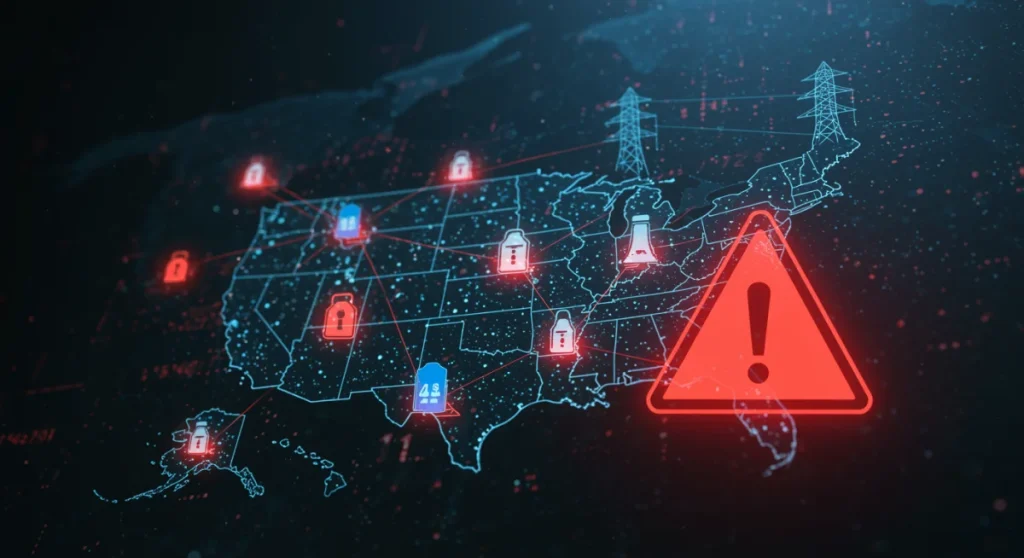
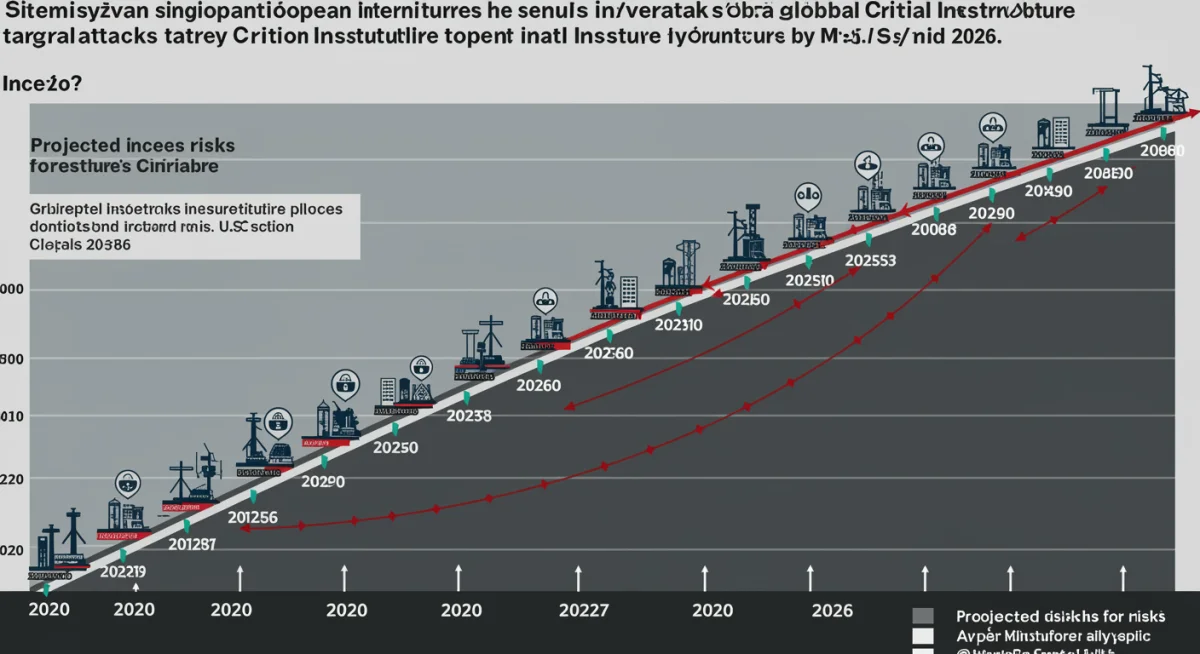
Recent international cyber attacks significantly elevate the risk to U.S. critical infrastructure by an estimated 15% by mid-2026, demanding urgent and comprehensive protective strategies.
The specter of cyber warfare infrastructure risk looms larger than ever, with recent international attacks signaling a significant escalation in threats to the United States. Experts now project a concerning 15% increased risk to U.S. critical infrastructure by mid-2026, underscoring an urgent need for enhanced vigilance and robust defense mechanisms. This isn’t just about data breaches; it’s about the potential disruption of essential services that underpin daily life and national security.
The Evolving Landscape of Cyber Warfare
Cyber warfare has moved beyond espionage and data theft, now directly targeting the foundational systems of nations. Recent incidents, often attributed to state-sponsored actors and sophisticated criminal groups, demonstrate a clear intent to destabilize and disrupt. These attacks are not isolated events but rather part of a continuous, evolving campaign that challenges traditional notions of conflict and defense.
The interconnectedness of modern infrastructure, from energy grids to financial networks and transportation systems, presents both efficiency and vulnerability. A single successful breach can have cascading effects, impacting millions and potentially crippling economic activity. Understanding this evolving landscape is the first step toward building effective resilience.
Key Characteristics of Modern Cyber Warfare
- Sophistication: Attackers employ advanced persistent threats (APTs), zero-day exploits, and AI-driven tools to bypass traditional defenses.
- Attribution Challenges: Pinpointing the exact origin of an attack is often difficult, complicating diplomatic and retaliatory responses.
- Hybrid Tactics: Cyber operations are frequently intertwined with disinformation campaigns and conventional military actions, creating a ‘hybrid warfare’ approach.
- Target Diversity: While critical infrastructure remains a prime target, supply chains and democratic processes are also increasingly vulnerable.
The implications of this shift are profound, necessitating a proactive and adaptive defense posture. Governments and private sector entities must collaborate closely to share threat intelligence and develop coordinated responses. The stakes are too high to ignore the growing capabilities of adversaries in this digital battleground.
Recent International Attacks and Their U.S. Implications
Over the past few years, a series of high-profile international cyber attacks have sent clear warning signals to the United States. These incidents, though some occurred abroad, reveal tactics, techniques, and procedures (TTPs) that could easily be repurposed against American targets. The Colonial Pipeline attack in 2021, while not state-sponsored, highlighted the fragility of critical infrastructure to even financially motivated cyber threats, causing widespread fuel shortages and panic.
Internationally, attacks on Ukrainian power grids, European government systems, and Asian financial institutions demonstrate a global trend of escalating cyber aggression. These events serve as crucial case studies, offering insights into the methodologies employed by adversaries and the potential impact on civilian life and national security. The U.S. must learn from these incidents to bolster its own defenses.
Analyzing Attack Vectors and Targets
Attackers often exploit known vulnerabilities, but increasingly they are leveraging sophisticated social engineering and supply chain compromises. Critical infrastructure sectors, including energy, water, healthcare, and transportation, are particularly attractive targets due to their societal importance and often legacy IT systems.
- Energy Sector: Disrupting power grids can cause widespread blackouts, impacting homes, businesses, and emergency services.
- Water Systems: Contaminating or shutting down water treatment facilities poses severe public health risks.
- Healthcare: Ransomware attacks can cripple hospitals, delaying critical care and endangering patient lives.
- Transportation: Attacks on air traffic control, railways, or port systems can halt commerce and travel, creating economic chaos.
The lessons from these international incidents are clear: no sector is entirely immune, and the potential for severe disruption is real. The U.S. must proactively assess its vulnerabilities in light of these global patterns.
Assessing the 15% Increased Risk to U.S. Infrastructure
The projected 15% increase in risk to U.S. infrastructure by mid-2026 is a data-driven assessment, reflecting the convergence of several factors. This projection considers the rising frequency and sophistication of international cyber attacks, the expanding attack surface due to digitalization, and the persistent challenges in implementing comprehensive cybersecurity measures across diverse public and private entities.
This isn’t a theoretical number; it’s a call to action. The 15% increase signifies a heightened probability of successful attacks leading to significant outages, data compromises, or functional degradation of essential services. It means that without substantial intervention, the likelihood of a major cyber incident impacting daily American life will be considerably higher in just a couple of years.
Factors Contributing to Increased Risk
- Geopolitical Tensions: Heightened global conflicts often spill over into the cyber domain, with nation-states using cyberattacks as a tool of leverage.
- Digital Transformation: As more operational technology (OT) systems connect to IT networks, the attack surface expands, creating new entry points for adversaries.
- Talent Shortage: A persistent shortage of skilled cybersecurity professionals leaves many organizations vulnerable and unable to adequately defend themselves.
- Supply Chain Vulnerabilities: Compromises in software or hardware supply chains can introduce backdoors into critical systems, affecting multiple entities simultaneously.
The cumulative effect of these factors creates a more perilous environment for U.S. infrastructure. Mitigating this increased risk requires a multi-faceted approach involving technological upgrades, policy reforms, and human capital development.
Key Vulnerabilities in U.S. Critical Infrastructure
Despite significant investments in cybersecurity, several key vulnerabilities persist within U.S. critical infrastructure. Many legacy systems, particularly in older industrial control systems (ICS) and operational technology (OT) environments, were not designed with modern cybersecurity threats in mind. These systems often lack robust authentication, encryption, and patch management capabilities, making them attractive targets for adversaries.
Furthermore, the complex interplay between public and private sector ownership of critical infrastructure creates coordination challenges. While government agencies set guidelines and offer support, the ultimate responsibility for securing many vital systems rests with private companies, which may have varying levels of resources and commitment to cybersecurity.
Addressing Systemic Weaknesses
One primary weakness lies in the human element. Phishing, social engineering, and insider threats remain potent attack vectors. Regular training and awareness programs are crucial but often fall short of completely neutralizing these risks. Another critical area is the visibility gap; many organizations lack a comprehensive understanding of all assets connected to their networks, making it difficult to detect and respond to intrusions effectively.
The reliance on third-party vendors also introduces significant risk. A breach in a single vendor’s system can compromise numerous client organizations, as seen in several major supply chain attacks. Strengthening vendor risk management and ensuring robust security protocols throughout the supply chain are paramount.
Ultimately, addressing these vulnerabilities requires a holistic strategy that integrates technology, policy, and human factors. It’s not enough to build higher walls; we must also ensure the foundations are strong and the guardians are well-prepared.
Protective Measures and Strategic Defenses
To counteract the escalating cyber warfare infrastructure risk, a comprehensive suite of protective measures and strategic defenses is imperative. This includes both technical safeguards and policy frameworks designed to enhance resilience and deter potential attackers. The U.S. government, alongside critical infrastructure owners and operators, must implement a multi-layered defense strategy.
Investing in advanced threat detection and response capabilities, such as Security Information and Event Management (SIEM) systems and Endpoint Detection and Response (EDR) tools, is fundamental. These technologies help identify unusual activity and potential breaches in real-time, enabling rapid containment and remediation. Regular penetration testing and vulnerability assessments are also crucial for identifying and patching weaknesses before adversaries can exploit them.
Enhancing National Cyber Resilience
- Information Sharing: Fostering robust information sharing between government agencies and the private sector about emerging threats and vulnerabilities.
- Regulatory Frameworks: Developing and enforcing clear, consistent cybersecurity regulations and standards across all critical infrastructure sectors.
- Workforce Development: Investing in educational programs and training initiatives to address the cybersecurity talent gap and build a skilled workforce.
- International Cooperation: Collaborating with allies to develop joint cyber defense strategies, share intelligence, and establish norms of responsible state behavior in cyberspace.
Beyond technology, strategic defenses involve building a culture of cybersecurity awareness from the executive level down to every employee. Incident response plans must be regularly tested and refined, ensuring that organizations can recover quickly and effectively from any cyber attack. Proactive defense, rather than reactive measures, is the key to safeguarding national infrastructure.
The Role of Government, Industry, and International Cooperation
Effectively addressing the increased cyber warfare infrastructure risk demands a concerted effort from all stakeholders: government, industry, and international partners. The U.S. government plays a pivotal role in setting national cybersecurity policy, providing intelligence, and coordinating responses to major incidents. Agencies like CISA (Cybersecurity and Infrastructure Security Agency) are vital in offering guidance, best practices, and direct assistance to critical infrastructure entities.
Industry, particularly the private sector companies that own and operate the majority of critical infrastructure, must prioritize cybersecurity as a core business function, not just an IT expense. This involves allocating adequate resources, implementing robust security controls, and actively participating in threat intelligence sharing initiatives. Collaboration between government and industry is crucial for developing sector-specific resilience plans and conducting joint exercises to test preparedness.
Building a United Front Against Cyber Threats
International cooperation is equally essential. Cyber threats transcend national borders, making collaborative defense strategies indispensable. Sharing threat intelligence with allies, participating in joint cyber defense operations, and working to establish norms for responsible state behavior in cyberspace can help deter aggression and improve collective security. Treaties and agreements aimed at preventing cyber escalation and prosecuting cybercriminals are vital components of this global effort.
Ultimately, a united front is necessary. No single entity can tackle the complexities of cyber warfare alone. By combining the regulatory power and intelligence capabilities of governments, the technical expertise and operational control of industry, and the collective strength of international partnerships, the U.S. can build a more resilient defense against the escalating cyber threats of today and tomorrow. This integrated approach is the most effective path forward in an increasingly digital and dangerous world.
| Key Point | Brief Description |
|---|---|
| Increased Risk | U.S. infrastructure faces a projected 15% increased risk of cyber attack by mid-2026 due to global threats. |
| Evolving Threats | Cyber warfare is becoming more sophisticated, targeting critical systems with advanced persistent threats and hybrid tactics. |
| Vulnerabilities | Legacy systems, human error, and supply chain weaknesses remain significant entry points for adversaries. |
| Mitigation Strategies | Enhanced technical defenses, policy reforms, workforce development, and international cooperation are crucial for resilience. |
Frequently Asked Questions About Cyber Warfare and Infrastructure Risk
U.S. critical infrastructure comprises 16 sectors vital to national security, economic prosperity, and public health. These include energy, water and wastewater systems, communications, healthcare, transportation, financial services, and government facilities, among others. Disrupting any of these can have severe, cascading consequences across the nation.
Primary actors typically include nation-state-sponsored groups, often linked to geopolitical rivals, and highly organized cybercriminal syndicates. These groups possess sophisticated capabilities and resources, allowing them to conduct complex and persistent attacks against high-value targets globally, including critical infrastructure.
A 15% increased risk suggests a higher probability of successful cyber attacks leading to tangible disruptions. This could manifest as more frequent or severe power outages, interruptions to water supply, compromised financial transactions, or breakdowns in communication networks, directly affecting daily life and economic stability.
Organizations should implement multi-factor authentication, regular security updates, robust backup and recovery plans, and continuous employee cybersecurity training. Conducting regular vulnerability assessments and engaging in threat intelligence sharing with relevant government agencies are also crucial immediate steps.
While there are ongoing international discussions and efforts to establish norms of responsible state behavior in cyberspace, a full global consensus remains elusive. Different nations hold varying perspectives on cyber sovereignty, attribution, and appropriate responses, complicating unified action against cyber warfare threats.
Conclusion
The projected 15% increase in cyber warfare infrastructure risk to the U.S. by mid-2026 is a stark reminder of the evolving nature of global threats. The interconnectedness of our essential services means that a cyber attack, whether originating from a nation-state or a criminal organization, can have profound and far-reaching consequences. Addressing this escalating danger requires more than just technological solutions; it demands a unified and strategic approach involving government, industry, and international partners. By fostering robust collaboration, investing in resilient defenses, and prioritizing cybersecurity at every level, the United States can significantly enhance its ability to withstand and deter future cyber aggressions, safeguarding its critical infrastructure and the well-being of its citizens.