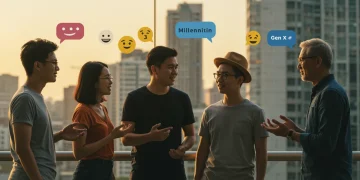
Bridging Divides: Practical Solutions for Community Cohesion in 2026
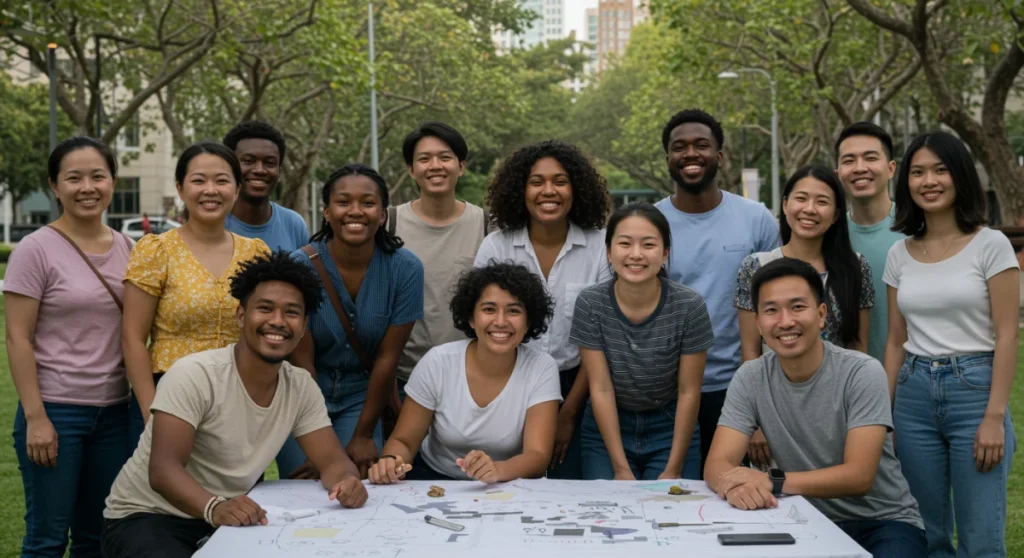
Fostering community cohesion in 2026 requires practical, actionable strategies to bridge societal divides, promoting understanding and collaboration among diverse groups for a stronger, more inclusive United States.
In an increasingly interconnected yet often polarized world, the need for robust community cohesion solutions has never been more pressing. As we look towards 2026, understanding and implementing practical strategies to bridge divides and foster a sense of belonging within our communities is paramount for a harmonious society.
Understanding the Landscape of Division in 2026
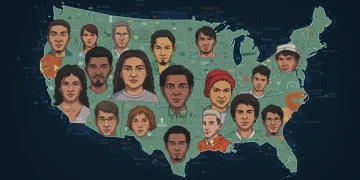
Before we can effectively bridge divides, it’s crucial to understand the complex factors contributing to societal fragmentation in 2026. Economic disparities, political polarization, and the pervasive influence of digital echo chambers continue to challenge the fabric of community life across the United States. These elements often exacerbate existing tensions and create new barriers to mutual understanding.
The digital age, while offering unprecedented connectivity, has also inadvertently contributed to the formation of insular communities online. People often gravitate towards information and viewpoints that reinforce their existing beliefs, leading to a diminished capacity for empathy and compromise offline. This digital tribalism presents a significant hurdle for fostering genuine community cohesion.
The Impact of Economic Inequality
Economic disparities play a critical role in shaping community dynamics. When wealth and opportunity are unevenly distributed, it can lead to resentment, social stratification, and a lack of shared purpose. Addressing these foundational economic issues is a prerequisite for any meaningful effort to build more cohesive communities.
- Limited access to quality education and healthcare.
- Disparities in job opportunities and wage growth.
- Housing unaffordability and gentrification pressures.
- Lack of investment in underserved neighborhoods.
Understanding these underlying causes of division is the first step towards developing targeted interventions. Without acknowledging the root problems, any solutions implemented might only scratch the surface, failing to create lasting change. A holistic approach that addresses both symptoms and causes is essential for success.
In conclusion, the landscape of division in 2026 is multifaceted, driven by a confluence of economic, political, and technological factors. Recognizing these challenges is the cornerstone upon which effective community cohesion strategies must be built.
Solution 1: Fostering Inclusive Dialogue Platforms
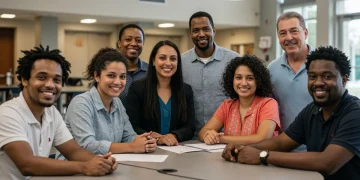
One of the most effective ways to bridge divides is by creating intentional spaces for inclusive dialogue. These platforms allow individuals from different backgrounds, beliefs, and experiences to engage in respectful conversation, share perspectives, and find common ground. Such dialogues move beyond superficial interactions, encouraging deeper understanding and empathy.
In 2026, these platforms can take various forms, from community forums and workshops to online moderated discussions. The key is to design them with clear guidelines for respectful engagement and to ensure representation from all segments of the community. Facilitators play a crucial role in managing these discussions, ensuring that all voices are heard and that constructive communication prevails.
Designing Effective Dialogue Programs
Effective dialogue programs are not simply about bringing people together; they require careful planning and execution. Training facilitators, establishing ground rules, and using diverse methodologies are all critical components. The goal is to move beyond debate and towards genuine understanding.
- Structured conversation models (e.g., deliberative dialogue, restorative circles).
- Neutral and skilled facilitators to guide discussions.
- Emphasis on active listening and perspective-taking.
- Opportunities for shared storytelling and personal reflection.
The success of these platforms hinges on their ability to create a safe environment where participants feel comfortable expressing their views without fear of judgment. This safety allows for vulnerability and the genuine exchange of ideas, which are essential for building bridges between disparate groups.
Ultimately, fostering inclusive dialogue platforms is about cultivating a culture of open communication and mutual respect. This solution directly addresses the breakdown in communication that often fuels division, paving the way for stronger community bonds.
Solution 2: Promoting Shared Community Projects
Collaboration on shared projects is a powerful catalyst for community cohesion. When people work together towards a common goal, they often transcend their differences and develop a sense of collective ownership and pride. These projects can range from local environmental initiatives to urban revitalization efforts or cultural festivals.
Shared projects provide tangible outcomes that benefit the entire community, creating a visible impact that reinforces the value of cooperation. They also offer informal opportunities for interaction and relationship-building that might not occur in other settings. The act of contributing to something larger than oneself fosters a sense of unity.
Identifying Impactful Collaborative Endeavors
Choosing the right projects is vital. They should be inclusive, accessible to all, and address genuine community needs. Projects that require diverse skill sets and perspectives are particularly effective in bringing different groups together.
- Environmental clean-up and greening initiatives.
- Community garden development and food security programs.
- Public art installations and cultural celebration events.
- Mentorship programs connecting different generations.
The process of planning and executing these projects is as important as the outcome. It provides opportunities for leadership development, problem-solving, and the forging of new connections. These shared experiences build social capital and reinforce the idea that collective action can lead to positive change.
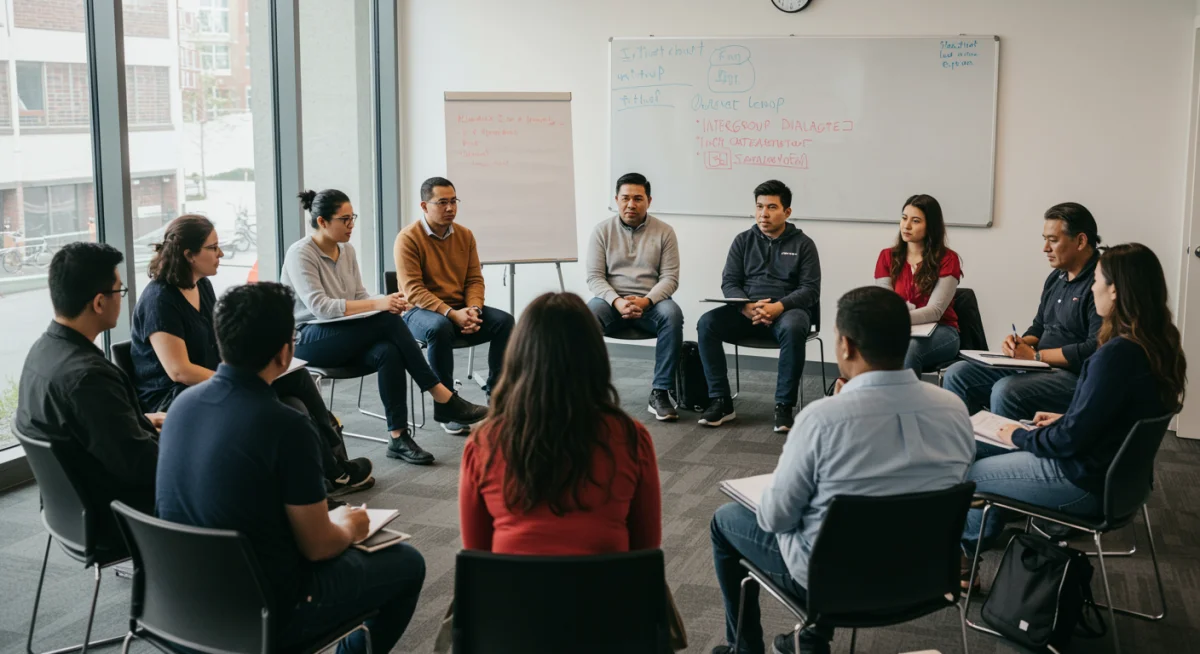
In essence, promoting shared community projects leverages the power of collective action to build stronger, more resilient communities. It moves beyond abstract discussions to concrete efforts that unite people through common purpose and shared achievement.
Solution 3: Enhancing Digital Literacy and Media Discernment
In 2026, the digital landscape continues to shape public discourse and, consequently, community relations. Misinformation, disinformation, and sensationalized content often fuel polarization and mistrust. Enhancing digital literacy and media discernment is therefore a critical component of any comprehensive strategy for community cohesion.
This solution involves equipping individuals with the skills to critically evaluate online information, recognize biases, and understand the algorithms that shape their digital experiences. By fostering a more informed and discerning citizenry, communities can better resist the divisive narratives often propagated online.
Educational Programs for Critical Thinking Online
Implementing educational programs that focus on digital citizenship and critical thinking can empower individuals to navigate the complexities of the internet more effectively. These programs should be accessible to all age groups and demographics.
- Workshops on identifying fake news and propaganda.
- Training on understanding algorithmic bias and filter bubbles.
- Encouraging diverse news consumption and information sources.
- Promoting responsible online communication and digital empathy.
Beyond individual skills, this solution also calls for greater accountability from social media platforms and news organizations. Efforts to promote ethical journalism and responsible content moderation are complementary to individual digital literacy initiatives.
By enhancing digital literacy and media discernment, communities can build a more robust defense against the digital forces that seek to divide them. This empowers individuals to engage with information critically and contribute to a more informed and unified public sphere.
Solution 4: Investing in Youth Leadership and Mentorship
The future of community cohesion lies with its youth. Investing in youth leadership and mentorship programs is a proactive solution that cultivates the next generation of bridge-builders and community leaders. These programs provide young people with the skills, values, and networks necessary to navigate differences and foster inclusive environments.
By empowering young individuals, communities can ensure that the principles of empathy, collaboration, and civic engagement are deeply embedded in future generations. Mentorship, in particular, connects youth with experienced community members, offering guidance and fostering intergenerational bonds that strengthen the social fabric.
Developing Future Community Stewards
Youth leadership programs should be designed to be experiential, allowing young people to take active roles in addressing community challenges. Mentorship should be reciprocal, allowing both mentors and mentees to learn from each other’s perspectives.
- Leadership training in conflict resolution and communication.
- Opportunities for youth-led community service projects.
- Cross-cultural exchange programs for young people.
- Mentorship pairings based on shared interests and values.
These initiatives not only benefit the youth involved but also invigorate the entire community by bringing fresh perspectives and energy to existing challenges. Young leaders often possess a unique ability to innovate and connect across traditional divides.
In conclusion, investing in youth leadership and mentorship is an investment in the long-term health and cohesion of our communities. It ensures that the values of unity and cooperation are passed down and nurtured, creating a sustainable foundation for a more inclusive future.
Solution 5: Strengthening Local Civic Institutions
Robust local civic institutions are the backbone of a cohesive community. These include libraries, community centers, local government bodies, and grassroots organizations. Strengthening these institutions provides essential spaces and resources for community engagement, service delivery, and collective action.
In 2026, many civic institutions are adapting to new challenges, from budget constraints to evolving community needs. Investing in their capacity, promoting their accessibility, and encouraging broad participation are key to their continued relevance and effectiveness in fostering cohesion.
Revitalizing Community Hubs
Supporting local institutions means more than just funding; it involves actively promoting their role as neutral conveners and resource providers. They can serve as central points for dialogue, project coordination, and service delivery, bringing diverse groups together.
- Increased funding and resources for public libraries and community centers.
- Promoting civic education and participation through local government initiatives.
- Supporting and collaborating with grassroots community organizations.
- Ensuring equitable access to institutional resources for all residents.
These institutions often act as critical intermediaries, helping to translate broad societal goals into concrete local actions. They provide a sense of place and belonging, offering programs and services that meet the diverse needs of residents and encourage interaction.
By strengthening local civic institutions, communities empower themselves with the infrastructure necessary to build and sustain cohesion. These hubs are vital for fostering a sense of shared community identity and providing the platforms for collective problem-solving.
| Key Solution | Brief Description |
|---|---|
| Inclusive Dialogue | Creating spaces for respectful conversation among diverse community members. |
| Shared Projects | Collaborating on common goals to build collective ownership and pride. |
| Digital Literacy | Equipping individuals to critically evaluate online information and narratives. |
| Youth Leadership | Investing in the next generation of bridge-builders and community leaders. |
Frequently Asked Questions About Community Cohesion
Community cohesion refers to the strength of relationships and the sense of belonging within a community. In 2026, it’s crucial for addressing societal polarization, fostering mutual understanding, and building resilient communities capable of navigating complex challenges and promoting overall well-being.
When used thoughtfully, digital platforms can facilitate cohesion by hosting moderated dialogues, organizing virtual community events, and disseminating accurate information. They can connect diverse groups who might not otherwise interact, but require careful management to prevent echo chambers and misinformation from taking root.
Local governments are vital in creating policies and initiatives that support inclusive communities. They can fund community centers, promote civic engagement, ensure equitable resource distribution, and convene diverse stakeholders to address local issues, thereby building a stronger sense of shared identity and purpose.
Yes, economic disparities are a significant barrier. Unequal access to resources, opportunities, and fair wages can create deep divisions and resentment within communities. Addressing these underlying economic inequalities through equitable policies and development is fundamental for achieving genuine community cohesion.
Individuals can contribute by actively participating in local initiatives, engaging in respectful dialogue with those holding different views, volunteering for shared projects, and promoting empathy and understanding in their daily interactions. Small actions collectively build a more cohesive and inclusive community over time.
Conclusion
The journey towards greater community cohesion in 2026 is an ongoing and multifaceted endeavor. By focusing on practical, actionable strategies such as fostering inclusive dialogue, promoting shared projects, enhancing digital literacy, investing in youth leadership, and strengthening local civic institutions, communities across the United States can begin to bridge the divides that challenge their unity. These solutions, when implemented thoughtfully and with genuine commitment, offer a roadmap for building more resilient, empathetic, and truly inclusive societies where every individual feels a sense of belonging and shared purpose. The collective effort of individuals, organizations, and governmental bodies will be essential in shaping a future where cohesion triumphs over fragmentation.