Gen Z’s 2026 Cultural Shift: Redefining American Social Norms
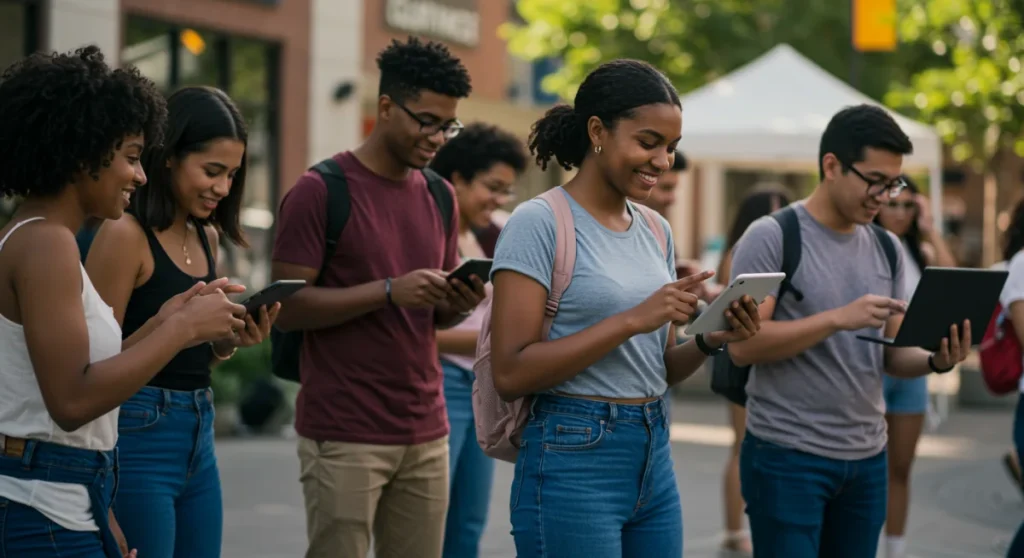
By 2026, Gen Z is fundamentally reshaping American social norms through their digital fluency, emphasis on authenticity, and commitment to social justice, influencing everything from workplaces to community engagement and consumer behavior with recent impactful updates.
The year 2026 marks a pivotal moment as the 2026 cultural shift: how Gen Z is redefining social norms in American communities (recent updates) becomes increasingly evident. This generation, born between the mid-1990s and early 2010s, is not just adapting to change; they are actively driving it, reshaping the very fabric of society.
Understanding Gen Z’s core values and influences
Gen Z, often characterized as digital natives, possesses a unique set of values shaped by a world of constant connectivity, economic uncertainty, and heightened social awareness. Their formative years were defined by ubiquitous internet access, social media, and global events, fostering a perspective that prioritizes authenticity, diversity, and impact.
This generation’s worldview is intrinsically linked to their digital upbringing, leading to a fluid understanding of identity and community. They challenge traditional institutions and norms, seeking purpose-driven engagement and genuine connections, both online and offline.
Digital fluency and global awareness
- Early Adoption: Gen Z was the first generation to grow up with smartphones and social media as everyday tools, fundamentally altering how they communicate, learn, and socialize.
- Global Perspective: Instant access to information from around the world has fostered a global consciousness, making them keenly aware of international issues and diverse cultures.
- Information Consumption: They are adept at navigating vast amounts of digital content, discerning information, and engaging with complex topics through various platforms.
Authenticity and transparency
Unlike previous generations, Gen Z places a high premium on authenticity. They are quick to detect inauthenticity in brands, public figures, and even personal interactions. This demand for transparency extends to their expectations of employers, political leaders, and social systems. They prefer genuine, unfiltered communication, which often manifests in their social media habits and consumption choices.
Their pursuit of authenticity also influences their personal branding and self-expression, often leading to more fluid identities and a rejection of rigid societal labels. This focus on genuine self-representation is a cornerstone of their cultural impact.
In essence, Gen Z’s core values—rooted in their digital fluency, global awareness, and unwavering demand for authenticity—are the driving forces behind the significant cultural shifts observed in American communities by 2026. These values dictate their engagement with society, their expectations of institutions, and their approach to personal and collective well-being.
Redefining social interactions and community engagement
Gen Z is fundamentally altering how individuals interact and form communities, moving beyond traditional geographical boundaries to create diverse, interest-based networks. Their approach to social engagement is multifaceted, blending digital platforms with real-world activism and collaborative efforts.
The concept of community for Gen Z is less about physical proximity and more about shared values, interests, and causes. This shift has profound implications for how social capital is built and maintained within American society.
The hybrid social landscape
Gen Z seamlessly navigates between online and offline interactions. Social media platforms are not just tools for communication; they are extensions of their social lives, enabling them to connect with like-minded individuals globally. However, this digital fluency is often balanced with a desire for meaningful in-person experiences.
This hybrid approach means that social norms around dating, friendships, and professional networking are evolving rapidly. Spontaneous digital meetups can transition into real-world collaborations, blurring the lines between virtual and tangible connections.
Activism and social justice
- Digital Mobilization: Gen Z leverages social media to organize protests, raise awareness for social issues, and apply pressure on institutions. Movements often gain rapid traction through their digital networks.
- Inclusive Advocacy: Their activism is characterized by a strong emphasis on intersectionality, advocating for a wide range of social justice issues from racial equality to climate action and LGBTQ+ rights.
- Bottom-Up Change: They tend to distrust top-down institutional change, preferring to initiate and support grassroots movements that empower marginalized voices.
The impact of Gen Z’s redefinition of social interactions is evident in the rise of niche communities, the emphasis on inclusive language, and the rapid spread of social awareness campaigns. Their collective action, often amplified through digital channels, is a powerful force in shaping public discourse and driving societal change.
Ultimately, Gen Z is demonstrating that community is a dynamic, evolving concept, built on shared purpose and mutual support, rather than rigid structures. This redefinition is having a ripple effect across all aspects of American community life.
Shifting workplace dynamics and career aspirations
As Gen Z enters the workforce in increasing numbers, they are bringing with them a fresh perspective on what constitutes a fulfilling career and a desirable work environment. Their expectations challenge traditional corporate structures, pushing for greater flexibility, purpose, and work-life integration.
This generation views work not just as a means to an end, but as an opportunity for personal growth and societal contribution. Consequently, companies are being forced to adapt their cultures, benefits, and leadership styles to attract and retain Gen Z talent.
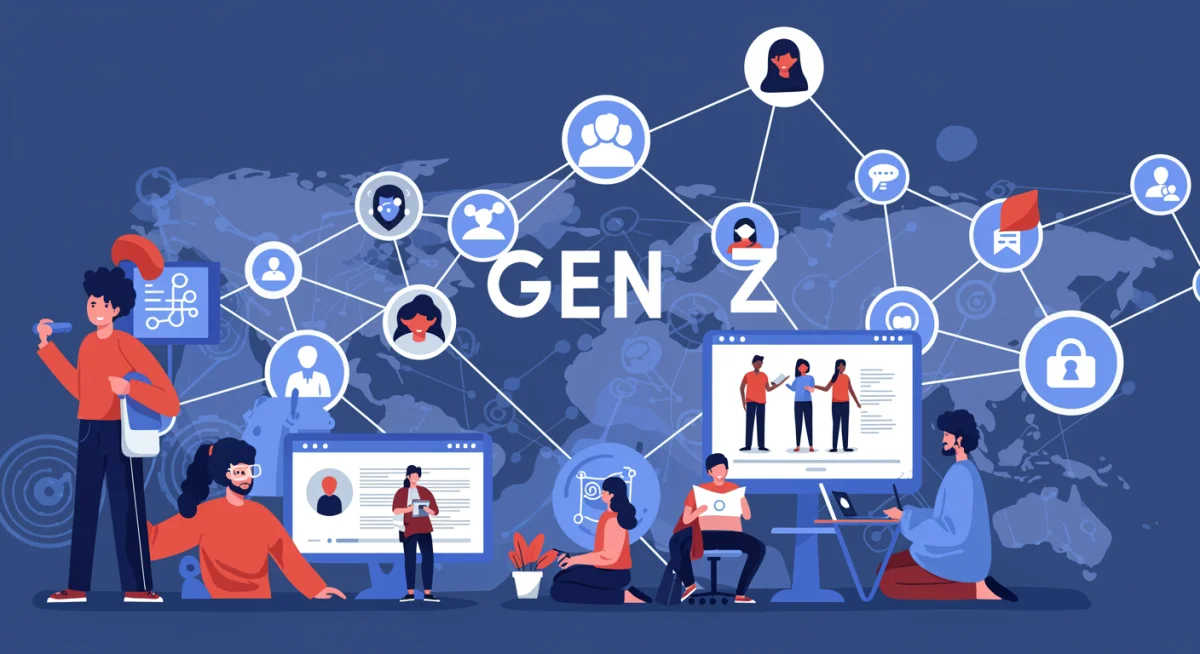
Prioritizing purpose over profit
Gen Z employees are often motivated by a company’s mission and its impact on the world, rather than solely by salary or prestige. They seek roles where they can make a tangible difference and align their personal values with their professional endeavors. This focus on purpose drives their career choices and influences their loyalty to employers.
They are also more likely to question ethical practices and demand corporate social responsibility, holding their employers accountable for their environmental and social footprint. This push for ethical business practices is becoming a significant factor in talent acquisition and retention.
Flexibility and work-life integration
- Remote Work Preference: Having grown up with digital tools, Gen Z is highly comfortable with remote or hybrid work models, valuing the flexibility they offer.
- Work-Life Blend: They often reject the strict separation of work and personal life, seeking integration that allows for personal pursuits and well-being alongside professional responsibilities.
- Mental Health Awareness: Gen Z is more open about discussing mental health in the workplace and expects employers to provide supportive resources and a healthy work environment.
The traditional 9-to-5 office model is increasingly becoming a relic of the past as Gen Z champions a more agile and human-centric approach to work. Their influence is leading to more flexible schedules, emphasis on well-being programs, and a greater demand for transparent and inclusive leadership.
In conclusion, Gen Z is not just adapting to the existing professional landscape; they are actively reshaping it, creating a future of work that prioritizes meaning, flexibility, and a holistic approach to employee well-being.
Consumer patterns and economic impact
Gen Z’s distinct values and digital fluency have profoundly reshaped consumer behaviors and, consequently, the economic landscape. Their purchasing decisions are driven by a complex interplay of authenticity, sustainability, ethical considerations, and digital convenience, challenging traditional marketing and retail strategies.
Businesses that fail to understand these evolving consumer patterns risk becoming irrelevant in a market increasingly dominated by this influential demographic. Their economic impact extends beyond direct purchases, influencing brand reputations and market trends.
Conscious consumption and ethical branding
Unlike previous generations, Gen Z is highly attuned to the social and environmental impact of their purchases. They actively seek out brands that demonstrate genuine commitment to sustainability, fair labor practices, and social justice. This often means they are willing to pay a premium for ethically sourced or environmentally friendly products.
Authenticity in branding is also paramount. Gen Z is skeptical of overly polished or corporate messaging, preferring brands that communicate transparently and align with their values. This has led to a rise in influencer marketing and user-generated content, which they perceive as more credible.
Digital commerce and experiential retail
- E-commerce Dominance: Gen Z is highly comfortable with online shopping, often discovering products through social media and making purchases directly from their devices.
- Seamless Experiences: They expect seamless, personalized digital experiences, from easy navigation to efficient delivery and responsive customer service.
- Experiential Retail: Despite their digital prowess, they also value unique in-store experiences that offer more than just transactions, such as interactive displays or community events.
The economic impact of Gen Z is evident in the shift towards direct-to-consumer brands, the growth of the resale market, and the increasing demand for personalized products and services. Businesses are adapting by investing in robust e-commerce platforms, transparent supply chains, and purpose-driven marketing campaigns.
In summary, Gen Z is not just buying products; they are investing in brands that reflect their values and provide meaningful experiences. Their consumption patterns are driving a more conscious and digitally integrated economy.
Education and learning in the Gen Z era
Gen Z’s approach to education is as dynamic and unconventional as their other societal contributions. Having grown up with instant access to information, they challenge traditional pedagogical methods, demanding interactive, personalized, and relevant learning experiences. Their educational journey is often self-directed and leverages diverse digital resources.
Educational institutions are facing pressure to adapt their curricula, teaching methodologies, and learning environments to cater to the unique needs and preferences of this digitally native generation.
Personalized and self-directed learning
Gen Z learners thrive in environments that allow for personalization and autonomy. They often prefer to learn at their own pace, utilizing a variety of digital tools, tutorials, and online courses. The traditional one-size-fits-all classroom model can feel restrictive to a generation accustomed to tailored content.
They are also adept at seeking out information independently, often turning to platforms like YouTube, TikTok, or online forums for answers, demonstrating a strong capacity for self-directed learning and problem-solving.
Skills-based education and practical application
- Relevance Focus: Gen Z prioritizes skills that are directly applicable to real-world challenges and future career paths, often questioning the relevance of purely theoretical knowledge.
- Experiential Learning: They prefer hands-on projects, internships, and collaborative learning experiences that allow them to apply their knowledge in practical settings.
- Continuous Learning: The concept of lifelong learning is inherent to Gen Z, who understand that skills need to be continually updated in a rapidly changing world.
The educational landscape is evolving to incorporate more blended learning models, project-based curricula, and a greater emphasis on digital literacy and critical thinking. Institutions are recognizing the need to move beyond rote memorization towards fostering creativity, collaboration, and adaptability.
Ultimately, Gen Z is pushing for an educational system that is more responsive, flexible, and relevant to the demands of the 21st century, preparing them not just for jobs, but for a dynamic and complex future.
The future landscape: 2026 and beyond
Looking ahead to 2026 and beyond, the cultural shifts initiated by Gen Z are poised to deepen and solidify, fundamentally reshaping the social, economic, and political landscape of American communities. Their influence will continue to grow as they mature into positions of greater leadership and purchasing power, driving further innovation and transformation.
The trends we observe today are merely the precursors to a more profound and lasting impact that will define the coming decades, demanding ongoing adaptation from institutions and individuals alike.
Continued societal evolution
The emphasis on diversity, equity, and inclusion will become even more ingrained in societal norms, influencing everything from public policy to corporate governance. Gen Z’s persistent advocacy for marginalized communities will lead to more representative institutions and a greater focus on systemic change.
Expect further shifts in family structures, gender roles, and traditional belief systems as Gen Z continues to challenge conventional definitions and embrace fluidity in identity and relationships. The push for authenticity will drive a more open and accepting society.
Technological integration and ethical considerations
- AI and Automation: Gen Z will be at the forefront of integrating artificial intelligence and automation into daily life, demanding ethical guidelines and responsible innovation.
- Digital Well-being: As digital natives, they will also champion digital well-being, advocating for healthier relationships with technology and addressing issues like screen time and online privacy.
- Metaverse Development: Their comfort with virtual spaces will drive the development and adoption of the metaverse, creating new forms of social interaction and economic activity.
The future landscape will be characterized by a greater convergence of technology, social responsibility, and personalized experiences, largely shaped by Gen Z’s values. Their collective impact will foster a more dynamic, interconnected, and purpose-driven society.
In essence, the cultural shift driven by Gen Z is not a fleeting trend but a foundational transformation, setting the stage for a future that is both innovative and deeply rooted in social consciousness.
| Key Aspect | Gen Z’s Redefinition |
|---|---|
| Social Norms | Shifting from traditional to inclusive, fluid identities, emphasizing authenticity and digital-physical hybrid interactions. |
| Workplace | Prioritizing purpose, flexibility, work-life integration, and mental health resources over rigid corporate structures. |
| Consumer Behavior | Driving conscious consumption, ethical branding, seamless digital commerce, and valuing experiential retail. |
| Education | Demanding personalized, skills-based learning with practical application and continuous digital integration. |
Frequently asked questions about Gen Z’s cultural impact
Gen Z is increasingly active in American politics, primarily through digital mobilization and advocacy for social justice issues. They demand transparency and accountability from leaders, often supporting progressive policies related to climate change, racial equality, and economic fairness, which is significantly shaping political discourse and voter turnout.
Social media is central to Gen Z’s cultural shift, serving as a primary platform for self-expression, community building, and activism. It enables the rapid dissemination of new norms around identity, communication, and social engagement, fostering a more inclusive and interconnected societal dialogue.
While Gen Z’s progressive values can create friction with older generations, they also spark important intergenerational conversations. These discussions often lead to increased awareness and, eventually, a broader societal acceptance of new norms regarding diversity, mental health, and social responsibility, bridging divides over time.
Businesses are adapting by prioritizing authenticity, sustainability, and ethical practices in their branding and supply chains. They are also investing in robust e-commerce platforms, personalized digital experiences, and engaging experiential retail to meet Gen Z’s demand for purpose-driven and seamless consumption.
The long-term impact of Gen Z’s cultural shift is expected to be a more inclusive, socially conscious, and technologically integrated American society. Their emphasis on diversity, mental well-being, and environmental stewardship will likely lead to lasting changes in policy, corporate behavior, and interpersonal relations.
Conclusion
The ongoing cultural shift spearheaded by Gen Z is undeniably transforming the landscape of American communities by 2026. From redefining social interactions and workplace dynamics to reshaping consumer patterns and educational approaches, this generation’s influence is pervasive and profound. Their innate digital fluency, unwavering commitment to authenticity, and fervent advocacy for social justice are not merely trends; they are foundational elements of a new societal paradigm. As Gen Z continues to mature and assume greater roles in leadership and public life, their values will further solidify, ensuring that the future of American society is characterized by greater inclusivity, purpose, and dynamic adaptation to an ever-evolving world.