Navigating Global Supply Chain Shifts: 3 Key Impacts for U.S. Consumers in 2026
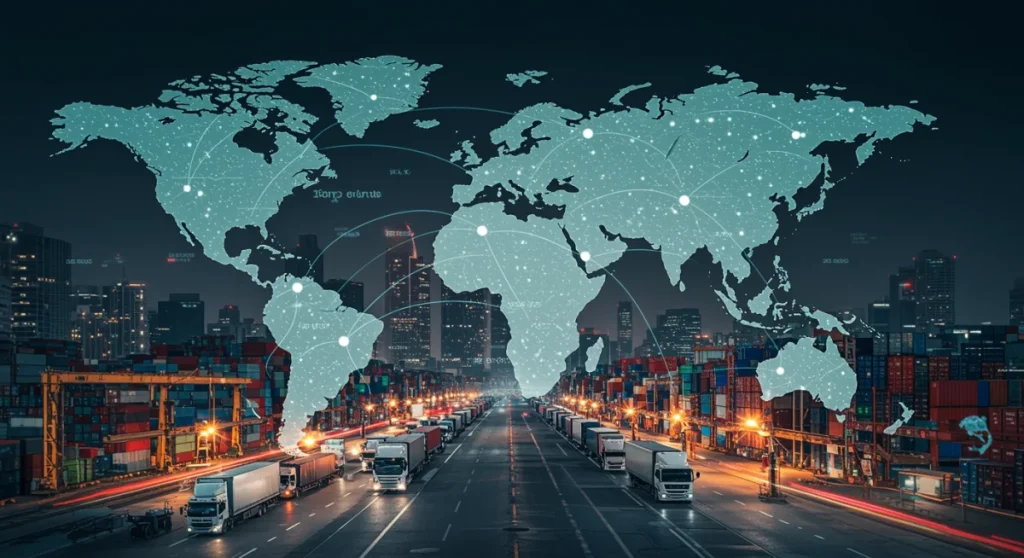
In 2026, global supply chain shifts will profoundly impact U.S. consumers through altered pricing, fluctuating product availability, and increased demand for sustainable practices, necessitating adapted purchasing strategies and informed decisions.
As we approach 2026, the landscape of global commerce continues to evolve at an unprecedented pace. Understanding the intricate dynamics of global supply chain shifts is no longer just for economists or logistics experts; it’s essential for every U.S. consumer. These changes will directly influence everything from the cost of your morning coffee to the availability of the latest tech gadgets. Let’s delve into the key impacts you can expect.
The evolving nature of global supply chains
The global supply chain is a vast, intricate network that connects producers and consumers worldwide. It encompasses everything from raw material extraction to manufacturing, transportation, and final delivery. This complex system is constantly in motion, influenced by geopolitical events, technological advancements, and shifting consumer demands. In recent years, we’ve witnessed significant disruptions that have highlighted its vulnerabilities and spurred a push for greater resilience.
Looking ahead to 2026, these shifts are not merely temporary hiccups but rather fundamental transformations. Factors such as geopolitical tensions, climate change, and the acceleration of digitalization are reshaping how goods move across borders. Businesses are re-evaluating their sourcing strategies, often opting for diversification and regionalization over purely cost-driven global outsourcing. This recalibration aims to build more robust systems capable of withstanding future shocks, but it comes with its own set of challenges and implications for the end consumer.
Understanding these foundational changes is crucial because they directly translate into the everyday experiences of U.S. consumers. The choices made by multinational corporations and governments today will dictate the economic realities of tomorrow. These shifts are not abstract concepts; they are the forces that will mold the market, influence prices, and determine what products are readily available on store shelves and online marketplaces.
Impact 1: fluctuating prices and increased inflation pressure
One of the most immediate and tangible effects of global supply chain shifts for U.S. consumers in 2026 will be on pricing. The cost of goods and services is intrinsically linked to the efficiency and stability of supply networks. When these networks face disruptions or undergo significant restructuring, the costs invariably get passed down to the consumer, leading to inflationary pressures.
Several factors contribute to this price volatility. Increased transportation costs, driven by higher fuel prices, labor shortages, or new regulatory hurdles, directly inflate the final price of imported goods. Furthermore, as companies seek to diversify their supply chains, they might choose suppliers in regions with higher labor or production costs, which again, reflects in the retail price. This trend is already visible and is expected to intensify.
Rising shipping and logistics expenses
The cost of moving goods globally has seen unprecedented spikes. This isn’t just about fuel; it includes port congestion, container shortages, and increased insurance premiums for cargo. These expenses add a significant burden to manufacturers and retailers.
- Fuel price volatility: Global energy markets remain unpredictable, affecting shipping and trucking costs.
- Labor shortages: A lack of truck drivers, port workers, and warehouse staff drives up wages and operational costs.
- Infrastructure strain: Aging infrastructure and insufficient capacity at key transit points create bottlenecks, increasing delays and costs.
Moreover, the shift towards ‘friend-shoring’ or ‘near-shoring’ – moving production closer to home or to politically allied nations – while offering greater security, often comes at a higher price point than traditional offshore manufacturing in low-cost countries. This strategic decision, aimed at reducing geopolitical risks and improving responsiveness, will contribute to a baseline increase in manufacturing costs for many products. Consumers should prepare for a new normal where certain imported goods, particularly those with complex manufacturing processes, might carry a higher price tag than in previous decades. This necessitates a more conscious approach to budgeting and spending.
Impact 2: altered product availability and variety
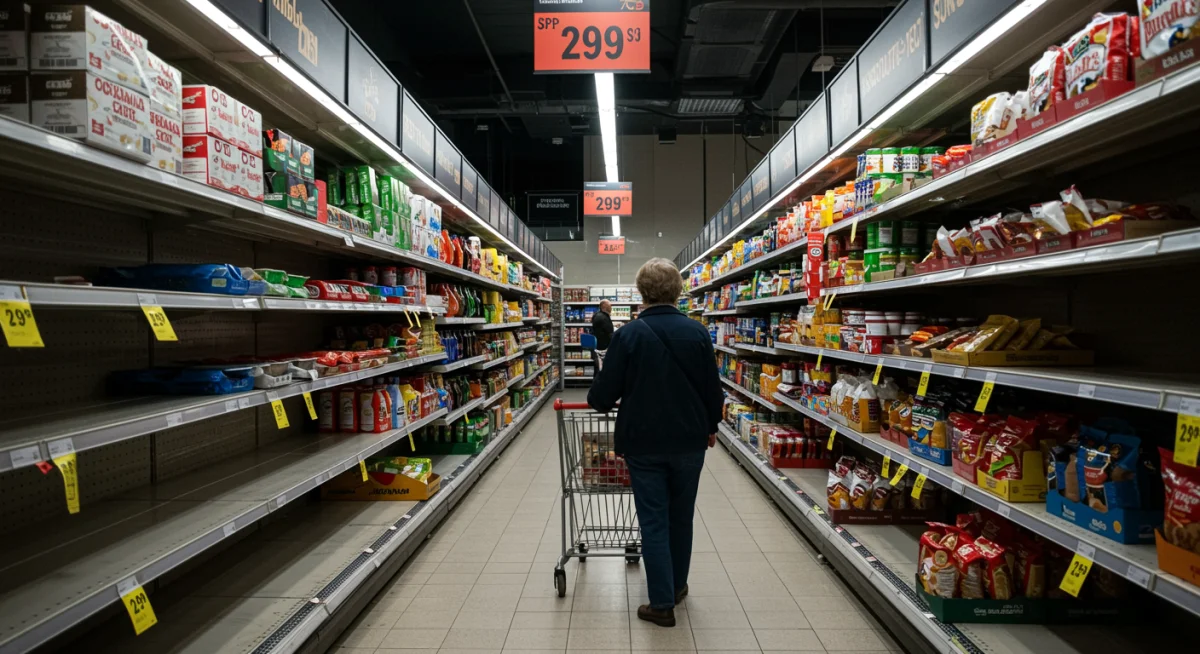
Beyond price, U.S. consumers in 2026 will also experience significant changes in product availability and variety. Recent years have shown us how quickly a seemingly abundant market can face shortages. These shifts are driven by several interconnected factors, including manufacturing reconfigurations, geopolitical considerations, and evolving consumer preferences. The days of expecting every product to be instantly available might be behind us.
As companies de-risk their supply chains, they might prioritize essential goods or higher-margin products, potentially leading to a reduction in niche or less popular items. This could mean fewer choices on store shelves or longer wait times for specialized products. Furthermore, trade policies and international relations can significantly impact which goods are readily imported and from where, potentially favoring certain regions over others.
Regionalization and diversification of manufacturing
Many businesses are moving production closer to their consumer bases or diversifying their manufacturing locations across multiple countries. While this reduces vulnerability to single-point failures, it can also lead to changes in product lines as different regions specialize.
- Reduced reliance on single sources: Companies are spreading production to mitigate risks from specific countries or regions.
- Local sourcing initiatives: An increased focus on sourcing raw materials and components domestically or regionally can limit global variety.
- Prioritization of essential goods: Manufacturers may focus on core products, potentially reducing the diversity of non-essential items.
For consumers, this could manifest as greater availability of certain domestically produced goods, but perhaps at the expense of variety from traditional global suppliers. For example, specific electronics components or rare ingredients might become harder to find or require pre-orders with extended lead times. This new reality demands flexibility from consumers, encouraging them to consider alternative brands or adapt their purchasing habits to what is readily available, rather than exclusively seeking out specific global brands.
Impact 3: increased focus on sustainability and ethical sourcing
The third major impact of global supply chain shifts on U.S. consumers by 2026 will be a heightened emphasis on sustainability and ethical sourcing. Consumer awareness regarding environmental impact and labor practices has grown significantly, and supply chain disruptions have only amplified calls for greater transparency. Businesses are responding by integrating sustainability into their core strategies, moving beyond mere compliance to proactive initiatives.
This shift means that products are increasingly being evaluated not just on price and quality, but also on their environmental footprint and the social responsibility of their production. Consumers will find more information available about a product’s journey, from its raw materials to its final destination, influencing their purchasing decisions. Brands that fail to adapt to these new expectations risk losing market share to more ethically conscious competitors.
Demand for transparent supply chains
Consumers are increasingly demanding to know where their products come from, how they are made, and under what conditions. This pressure is driving companies to adopt more transparent practices, often leveraging technology to track supply chain data.
This increased focus also translates into new product offerings and certifications. Expect to see more labels indicating sustainable production, fair trade practices, or reduced carbon footprints. While these initiatives often come with higher production costs, many consumers are willing to pay a premium for products that align with their values. This creates a dual market: one driven by traditional price and convenience, and another by ethical and environmental considerations. Businesses that can effectively communicate their sustainable practices will gain a significant competitive advantage, while consumers will need to weigh their budgets against their desire for responsibly sourced goods.
Technological advancements driving change
Technology plays a pivotal role in shaping the future of global supply chains. Innovations in artificial intelligence (AI), blockchain, and automation are not just buzzwords; they are actively transforming how goods are tracked, managed, and delivered. By 2026, these technologies will be even more integrated, offering both opportunities and new complexities for consumers.
AI-driven predictive analytics, for instance, can help companies anticipate demand fluctuations and potential disruptions, leading to more efficient inventory management and fewer stockouts. Blockchain technology offers unprecedented transparency, allowing consumers to trace a product’s origin and journey, verifying claims of ethical sourcing or organic production. Automation in warehouses and logistics hubs can speed up processing times, potentially reducing delivery delays.
The rise of digital twins and IoT
Digital twins—virtual models of physical products or processes—combined with the Internet of Things (IoT) sensors, provide real-time data on supply chain performance. This allows for proactive problem-solving and optimization.
- Real-time tracking: IoT sensors provide live updates on cargo location and condition, enhancing visibility.
- Predictive maintenance: AI algorithms analyze data from machinery to predict failures, preventing costly delays.
- Enhanced security: Blockchain’s immutable ledger increases the security and integrity of supply chain data.
However, the widespread adoption of these technologies also raises concerns about data privacy and the potential for increased cyber threats. Consumers might benefit from faster, more transparent, and more reliable supply chains, but they will also need to be aware of how their data is used and protected within these digitally enhanced systems. The balance between efficiency and security will be a critical consideration for both businesses and individuals.
Government policies and trade agreements
Government policies and international trade agreements are powerful forces that significantly influence the structure and resilience of global supply chains. By 2026, we can expect a continued evolution in these policies, with a greater emphasis on national security, economic sovereignty, and environmental protection. These shifts directly impact the flow of goods, affecting both businesses and U.S. consumers.
Many governments are actively working to reduce reliance on single-country suppliers, especially for critical goods like semiconductors, pharmaceuticals, and rare earth minerals. This often involves incentives for domestic production, trade diversification agreements, and stricter import/export controls. Such measures, while aimed at enhancing national resilience, can introduce new barriers to trade or alter traditional sourcing patterns, potentially leading to higher costs or limited availability for certain products.
Re-evaluation of international trade pacts
Existing trade agreements are under constant scrutiny, and new pacts are being negotiated with an eye toward geopolitical stability and economic protection. These changes can open new markets or create new hurdles.
- Tariffs and trade barriers: Governments may impose tariffs to protect domestic industries or address perceived unfair trade practices.
- Strategic reserves: Nations are building reserves of critical materials and goods to hedge against future disruptions.
- Environmental regulations: Stricter environmental standards in trade agreements can influence manufacturing locations and supply chain routes.
For U.S. consumers, this means that the availability and price of certain goods could be heavily influenced by diplomatic relations and trade negotiations. A shift in trade policy with a key manufacturing nation could, for example, rapidly change the cost of consumer electronics or apparel. Staying informed about these broader geopolitical and policy developments will become increasingly important for understanding the economic landscape that directly affects household budgets and purchasing options.
Consumer adaptation strategies for 2026
Given these impending global supply chain shifts, U.S. consumers will need to adapt their purchasing habits and expectations by 2026. Proactive strategies can help mitigate the potential negative impacts of fluctuating prices, altered availability, and increased focus on sustainability. The informed consumer will be better positioned to navigate these changes successfully.
One key strategy is to embrace flexibility. This means being open to alternative brands, models, or even product categories if your preferred item is unavailable or prohibitively expensive. Stocking up on non-perishable essentials when they are readily available and competitively priced can also provide a buffer against future shortages or price hikes. Additionally, becoming more aware of a product’s origin and the ethical practices of its manufacturers can empower more responsible purchasing decisions.
Embracing local and regional options
Supporting local businesses and regional supply chains can offer greater stability and often a smaller environmental footprint. This also helps foster community resilience.
- Prioritizing local produce: Buying from local farmers markets reduces transportation costs and supports regional economies.
- Exploring domestic brands: Shifting preference to U.S.-made products can reduce reliance on volatile international shipping.
- Repair and reuse culture: Extending the lifespan of products through repair and reuse reduces demand on new supply chains.
Furthermore, digital literacy will be increasingly important. Utilizing price comparison tools, tracking stock levels online, and subscribing to alerts for desired products can help consumers make timely and cost-effective purchases. Engaging with sustainable consumption models, such as buying second-hand, repairing items, or participating in sharing economies, can also alleviate some of the pressures from global supply chain volatility. Ultimately, thoughtful consumption and strategic planning will be vital tools for U.S. consumers in the evolving economic landscape of 2026.
| Key Impact | Brief Description |
|---|---|
| Fluctuating Prices | Increased costs due to logistics, labor, and strategic reshoring efforts will lead to higher consumer prices and inflationary pressure. |
| Altered Availability | Changes in manufacturing locations and trade policies will affect product variety and lead to potential shortages or longer wait times for specific items. |
| Sustainability Focus | Growing consumer demand for ethical sourcing and environmental responsibility will drive businesses to adopt transparent and sustainable practices. |
Frequently asked questions about supply chain shifts
The primary drivers include geopolitical tensions, climate change, rapid technological advancements like AI and blockchain, and a strategic move by companies towards diversification and regionalization to enhance resilience against future disruptions. These factors collectively push for significant redesigns in traditional supply routes.
U.S. consumers can expect fluctuating and generally higher prices for many everyday goods. This is due to increased transportation costs, higher labor expenses in diversified manufacturing locations, and the premiums associated with building more resilient, often localized, supply chains. Inflationary pressures are likely to persist.
Yes, consumers might experience altered product availability and variety. As companies prioritize core products or regional sourcing, niche items or those from historically distant suppliers could become less common or require longer lead times. Flexibility in purchasing choices will become more important for consumers.
Sustainability is becoming a central pillar. Growing consumer demand for ethically sourced and environmentally friendly products is pushing businesses to adopt more transparent practices. This means products will increasingly be evaluated on their environmental footprint and social responsibility, influencing purchasing decisions and brand loyalty.
Consumers can adapt by embracing flexibility in their purchasing, considering local and regional alternatives, and leveraging technology for price comparisons and stock tracking. Supporting sustainable and ethical brands, and adopting a ‘repair and reuse’ mindset, will also be effective strategies to navigate the changing market.
Conclusion
The global supply chain shifts anticipated for 2026 represent a profound transformation in how goods reach U.S. consumers. These changes will manifest primarily through fluctuating prices, altered product availability, and a heightened emphasis on sustainability and ethical sourcing. While these shifts present challenges, they also offer opportunities for more resilient, transparent, and responsible global trade. By understanding these dynamics and adapting their purchasing behaviors, U.S. consumers can navigate the evolving economic landscape more effectively, making informed decisions that align with both their budgets and their values. The future of consumption will demand greater awareness and adaptability from all.