Inflation Alert: 3.5% Core CPI in Q1 2026 & US Consumer Spending
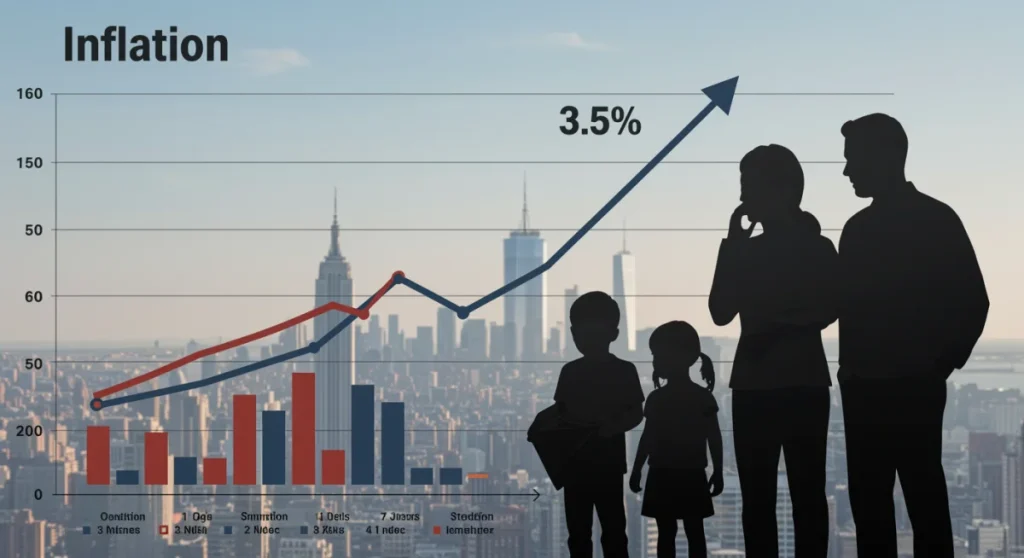
A projected 3.5% Core CPI in Q1 2026 could significantly alter U.S. consumer spending patterns, impacting various sectors and necessitating strategic financial adjustments for households and businesses.
An inflation alert signaling a projected 3.5% Core CPI in Q1 2026 raises critical questions about its potential ripple effects on U.S. consumer spending. This forecast isn’t just a number; it represents a tangible shift in the economic landscape that could profoundly influence household budgets, purchasing power, and the overall trajectory of the American economy. Understanding this projection is essential for consumers and businesses alike to navigate the financial challenges and opportunities that lie ahead.
Understanding Core CPI and Its Significance
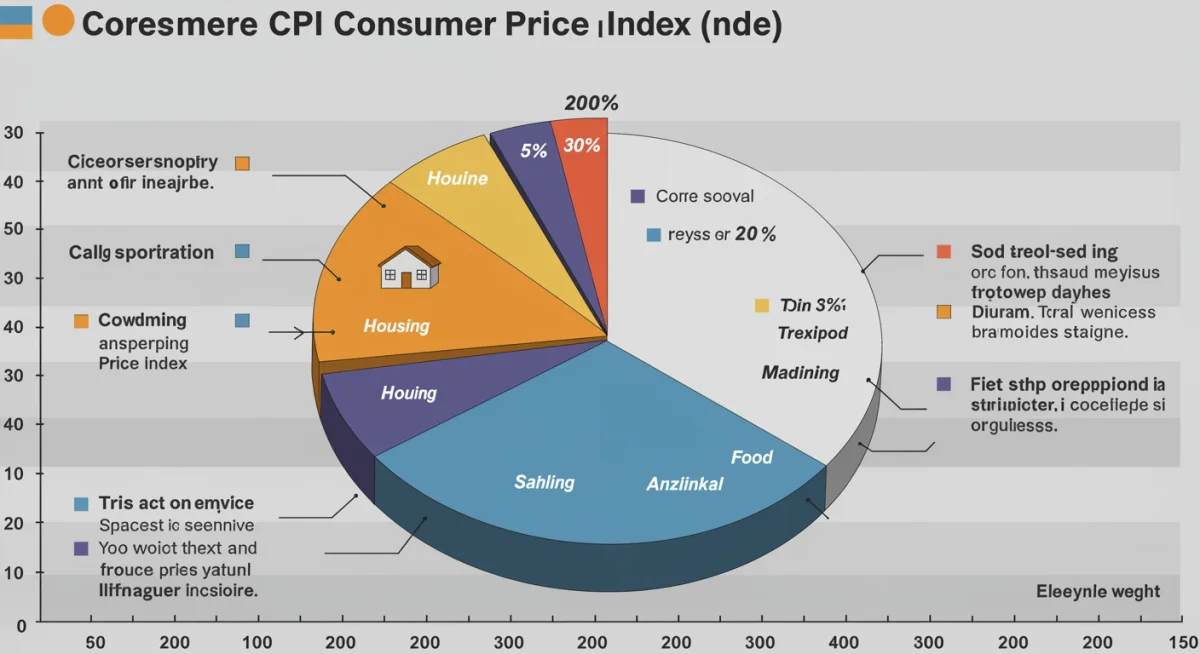
The Core Consumer Price Index (CPI) is a vital economic indicator that measures the average change over time in the prices paid by urban consumers for a market basket of consumer goods and services, excluding volatile food and energy prices. This exclusion helps provide a clearer picture of underlying inflation trends, making it a crucial metric for policymakers at the Federal Reserve and economists.
When we talk about a projected 3.5% Core CPI in Q1 2026, we are discussing a level of inflation that, while not historically unprecedented, is certainly above the Federal Reserve’s long-term target of 2%. Such a sustained increase could have significant implications for the purchasing power of the U.S. dollar and the cost of living for everyday Americans.
Why Core CPI Matters More Than Headline CPI
- Stability: Excluding food and energy removes short-term fluctuations, revealing more persistent price changes.
- Policy Focus: Central banks often prioritize Core CPI for monetary policy decisions due to its stability.
- Underlying Trends: It provides a better gauge of demand-driven inflation and wage pressures.
The significance of this projection lies in its ability to influence consumer confidence and spending habits. If consumers anticipate higher prices, they might adjust their spending, either by delaying purchases or shifting towards more essential goods and services. This behavioral change, driven by inflation expectations, can create a self-fulfilling prophecy, further embedding inflationary pressures into the economy.
Direct Impact on Household Budgets
A 3.5% Core CPI growth by Q1 2026 translates directly into higher costs for a wide array of goods and services that form the bedrock of everyday household spending. This isn’t just about a few cents here and there; it’s a systemic increase that can erode the purchasing power of wages and savings, making it harder for families to stretch their budgets.
Areas such as housing, healthcare, education, and various services—all components of Core CPI—are likely to see notable price hikes. For instance, rent increases, higher insurance premiums, and more expensive childcare could become the norm. These accumulating costs can squeeze discretionary income, forcing households to make difficult choices about their spending priorities. Families might find themselves allocating a larger portion of their income to necessities, leaving less for savings, investments, or leisure activities.
Key Areas Affected by Rising Core CPI
- Housing Costs: Rent and mortgage payments, maintenance, and utility prices.
- Healthcare: Insurance premiums, prescription drugs, and medical services.
- Transportation (excluding fuel): Vehicle maintenance, public transport fares, and auto insurance.
- Education: Tuition fees, school supplies, and extracurricular activities.
- Services: Personal care, entertainment, and professional services.
The financial strain can be particularly acute for lower and middle-income households, who typically spend a larger percentage of their income on these essential categories. The projected inflation rate could exacerbate existing inequalities, making financial stability an even greater challenge for many American families. Understanding these direct impacts is crucial for developing strategies to mitigate the effects of rising prices.
Consumer Spending Shifts and Behavioral Changes
When inflation persistently rises, especially at a rate like the projected 3.5% Core CPI, consumer behavior inevitably shifts. Faced with higher prices, consumers become more discerning with their purchases, prioritizing needs over wants and seeking greater value for their money. This often leads to a reallocation of spending, impacting various sectors of the economy differently.
Discretionary spending, which includes items like dining out, entertainment, travel, and luxury goods, is typically the first to be curtailed. Consumers might opt for more budget-friendly alternatives, reduce the frequency of such activities, or cut them out entirely. This shift can have a significant ripple effect on businesses that rely heavily on discretionary consumer spending, potentially leading to reduced demand, lower revenues, and even job losses in those sectors.
Conversely, spending on essential goods and services, while still subject to price increases, tends to remain relatively stable. However, even within these categories, consumers may seek out generic brands, sales, or discount retailers to save money. This dynamic environment requires businesses to adapt their pricing strategies, product offerings, and marketing efforts to align with evolving consumer preferences and budget constraints.
Common Consumer Responses to Higher Inflation
- Prioritizing Essentials: Focusing spending on housing, food, and utilities.
- Reducing Discretionary Spending: Cutting back on entertainment, travel, and non-essential purchases.
- Seeking Value: Opting for store brands, discounts, and sales.
- Delaying Large Purchases: Postponing big-ticket items like cars or appliances.
- Increased Saving (for some): Attempting to build a buffer against future price increases.
These behavioral changes are not uniform across all demographics. Higher-income households may be more resilient to inflationary pressures, while lower-income families are often forced to make more drastic adjustments. Businesses need to understand these nuances to effectively navigate a period of sustained inflation and maintain their customer base.
Sector-Specific Impacts and Business Adaptations
The projected 3.5% Core CPI in Q1 2026 will not affect all sectors of the U.S. economy equally. Some industries, particularly those reliant on discretionary consumer spending or sensitive to input costs, will face greater challenges, while others might prove more resilient or even see increased demand for specific services.
Sectors like hospitality, retail (especially non-essential goods), and entertainment could experience reduced demand as consumers tighten their belts. Businesses in these areas may need to innovate by offering more value-oriented products, loyalty programs, or unique experiences to attract and retain customers. Supply chain management will also become even more critical, as rising input costs can erode profit margins if not effectively managed.
Industries at Risk and Potential Strategies
- Retail (Discretionary): Focus on value, promotions, and private labels.
- Hospitality & Travel: Offer package deals, loyalty programs, and localized experiences.
- Construction: Manage material costs, explore alternative building methods.
- Manufacturing: Optimize supply chains, invest in automation to reduce labor costs.
Conversely, sectors providing essential goods and services, such as healthcare, utilities, and certain food industries, might see more stable demand, though they will still contend with rising operational costs. Technology and innovation could also play a crucial role, enabling businesses to improve efficiency and mitigate the impact of inflation on their bottom line. Adapting to these shifts requires proactive planning, strategic investments, and a keen understanding of evolving market dynamics.
Role of Monetary Policy and Federal Reserve Actions
The Federal Reserve plays a pivotal role in managing inflation, and a projected 3.5% Core CPI would undoubtedly trigger a response from the central bank. The Fed’s primary tools for controlling inflation are adjusting interest rates and quantitative easing/tightening. Higher interest rates typically aim to cool down an overheating economy by making borrowing more expensive, thereby reducing aggregate demand and inflationary pressures.
Should the Core CPI indeed reach 3.5% by Q1 2026, the Federal Reserve would likely face increased pressure to implement or maintain a hawkish monetary policy stance. This could mean further interest rate hikes or a prolonged period of elevated rates, impacting everything from mortgage rates to business loans. Such actions, while aimed at stabilizing prices, can also slow economic growth and potentially increase the risk of a recession.
Potential Federal Reserve Responses
- Interest Rate Hikes: To cool demand and reduce inflationary pressures.
- Quantitative Tightening: Reducing the money supply by selling off assets.
- Forward Guidance: Communicating future policy intentions to influence market expectations.
The balancing act for the Fed is delicate: curb inflation without stifling economic activity too severely. Their decisions will have significant implications for consumer borrowing costs, investment opportunities, and the overall economic environment. Consumers and businesses should closely monitor Fed announcements and economic data to anticipate potential policy shifts and adjust their financial strategies accordingly.
Strategies for Financial Resilience in an Inflationary Environment
Navigating an environment with a projected 3.5% Core CPI requires proactive financial planning and strategic adjustments for both individuals and businesses. Building financial resilience is key to mitigating the negative impacts of reduced purchasing power and rising costs.
For individuals, this might involve re-evaluating budgets, cutting unnecessary expenses, and seeking opportunities to increase income or improve investment returns. Investing in inflation-protected securities, real estate, or commodities can offer some hedge against rising prices. Building a robust emergency fund becomes even more critical to absorb unexpected cost increases without resorting to high-interest debt.
Tips for Individuals and Businesses
- Individuals:
- Review and adjust budgets to prioritize essential spending.
- Explore opportunities for income growth or side hustles.
- Consider inflation-hedging investments (e.g., TIPS, real estate).
- Build or bolster emergency savings.
- Businesses:
- Optimize operational efficiency and manage supply chain costs.
- Implement strategic pricing adjustments.
- Invest in technology to enhance productivity.
- Diversify revenue streams and customer base.
For businesses, strategies might include optimizing operational efficiency, negotiating better terms with suppliers, and strategically adjusting pricing to cover increased costs without alienating customers. Investing in technology and automation can also help reduce long-term expenses. Diversifying revenue streams and exploring new markets can provide additional buffers against economic volatility. Ultimately, a flexible and forward-thinking approach will be essential for thriving in a sustained inflationary period.
| Key Aspect | Brief Description |
|---|---|
| Core CPI Projection | Forecasted 3.5% increase in Q1 2026, excluding volatile food and energy prices. |
| Consumer Spending Impact | Reduced purchasing power, shifts from discretionary to essential items, and budget tightening. |
| Business Adaptations | Need for efficiency, strategic pricing, supply chain optimization, and product innovation. |
| Monetary Policy Response | Likely Federal Reserve actions including interest rate adjustments to manage inflation. |
Frequently Asked Questions About Core CPI and Consumer Impact
A 3.5% Core CPI means that the prices of goods and services, excluding food and energy, are expected to increase by 3.5% on average. For households, this translates to reduced purchasing power, as their income will buy less. Essential expenses like housing, healthcare, and transportation will likely cost more, requiring budget adjustments and potentially impacting savings.
Headline CPI measures the total inflation in the economy, including all categories of goods and services. Core CPI, however, excludes volatile food and energy prices. This distinction is important because Core CPI provides a more stable and accurate reflection of underlying, long-term inflation trends, helping economists and policymakers understand persistent price pressures.
Sectors heavily reliant on discretionary consumer spending, such as hospitality, non-essential retail, and entertainment, are likely to be most affected as consumers prioritize essential purchases. Industries with high input costs or those sensitive to interest rate changes, like construction, could also face significant challenges. Essential service providers might see stable demand but increased operational costs.
The Federal Reserve would likely consider or implement a more restrictive monetary policy. This could involve raising the federal funds rate, making borrowing more expensive to cool down demand and inflationary pressures. They might also continue or intensify quantitative tightening, reducing the money supply. These actions aim to bring inflation back to their target of 2%.
Individuals can protect their finances by creating and sticking to a strict budget, prioritizing essential spending, and reducing discretionary expenses. Investing in inflation-protected securities (TIPS), real estate, or commodities can offer a hedge. Building a robust emergency fund is also crucial, along with exploring opportunities to increase income or diversify investments to maintain purchasing power.
Conclusion
The projected 3.5% Core CPI in Q1 2026 serves as a significant economic indicator, signaling potential challenges and necessary adjustments for U.S. consumer spending. Its impact will reverberate across household budgets, altering purchasing patterns and compelling businesses to adapt. Understanding core CPI’s mechanisms, anticipating shifts in consumer behavior, and preparing for potential monetary policy responses are crucial. By adopting proactive financial strategies, both individuals and businesses can build greater resilience and navigate the inflationary landscape more effectively, ensuring sustained economic stability amidst evolving market conditions.