Micro-Communities: 2026 Analysis of Niche Cultural Movements in the US
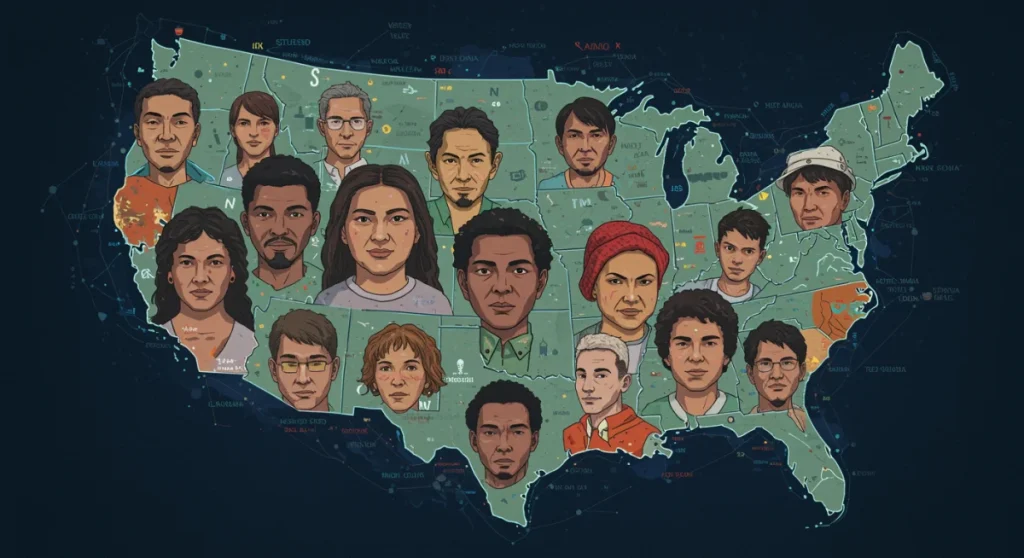
The rise of micro-communities in 2026 signifies a profound shift in social interaction, driven by shared niche interests and a desire for authentic connection, fostering unique cultural movements across the United States.
The landscape of social interaction is continually evolving, and in 2026, we are witnessing a significant transformation: the rise of micro-communities: a 2026 analysis of niche cultural movements gaining traction across the United States. These tight-knit groups, formed around highly specific interests, values, or identities, are reshaping how individuals connect and find belonging in an increasingly fragmented world. This article delves into the dynamics, impact, and future trajectory of these burgeoning cultural phenomena.
Understanding the Micro-Community Phenomenon
Micro-communities represent a powerful evolution in how people seek connection and belonging. Unlike broad social groups, these communities thrive on shared, often highly specific, interests, providing a deeper sense of identity and purpose for their members. Their growth is a direct response to the digital age, where geographical barriers are less significant than shared passions.
The appeal of micro-communities lies in their ability to offer authenticity and genuine engagement. In a world saturated with information and superficial connections, these smaller groups provide a refuge where individuals can explore their passions without judgment and collaborate with like-minded peers. This fostering of genuine relationships is a key driver behind their increasing traction.
Defining Micro-Communities
Micro-communities are distinct from traditional communities by their focused nature. They are often characterized by:
- Hyper-Specific Interests: Centered around very particular hobbies, philosophies, or lifestyles.
- Strong Identity: Members often share a strong sense of collective identity and purpose.
- Digital-First Foundation: Many originate and flourish online before expanding into physical meetups.
- Inclusive Exclusivity: While niche, they are generally welcoming to anyone who shares the core interest.
The rise of these groups signals a shift from broad social circles to more intimate, specialized networks. People are actively seeking environments where their unique contributions are valued and understood, rather than diluted within a larger, more generic group.
The Digital Catalyst
The internet, particularly advanced social platforms and specialized forums, has acted as a primary catalyst for the proliferation of micro-communities. These digital spaces allow individuals with obscure or niche interests to find each other effortlessly, overcoming geographical limitations that once made such connections rare. From online gaming guilds to intricate crafting circles, digital platforms provide the initial meeting ground.
The digital infrastructure also supports the sustained growth and organization of these communities. Tools for communication, content sharing, and event planning are readily available, enabling micro-communities to maintain cohesion and expand their reach. This technological backbone is crucial for their survival and expansion in 2026.
Ultimately, understanding micro-communities requires recognizing their dual nature: deeply personal yet globally connected. They offer a unique blend of intimate interaction and broad reach, driven by shared enthusiasm and facilitated by modern technology.
Key Drivers Behind Their Growth in 2026
Several societal and technological factors are converging to accelerate the growth of micro-communities in 2026. These drivers reflect a deeper human need for connection and belonging, amplified by the characteristics of contemporary life.
One significant factor is the increasing personalization of experiences. Consumers and individuals alike are accustomed to tailored content and products, and this expectation extends to their social interactions. Micro-communities offer precisely this: a bespoke social environment perfectly aligned with their specific preferences and values.
The Search for Authenticity and Belonging
In an age where social media often presents curated, idealized versions of reality, many individuals are yearning for genuine connections. Micro-communities provide a space where authenticity is not just tolerated but celebrated. Members can be themselves, share their true passions, and engage in meaningful discussions without the pressure of broader societal norms.
This pursuit of belonging is fundamental. As traditional community structures such as neighborhood associations or religious institutions may have weakened for some, micro-communities step in to fill that void. They offer a sense of collective identity and mutual support that is increasingly valued.
- Shared Values: Members often align on core beliefs, fostering deeper trust.
- Emotional Support: Provides a safe space for discussing niche challenges.
- Validation: Offers affirmation for interests that might be misunderstood elsewhere.
- Collective Identity: Strengthens individual identity through group affiliation.
Accessibility Through Digital Platforms
The widespread availability of high-speed internet and sophisticated digital platforms has made it easier than ever for individuals to discover and join micro-communities. Platforms like Discord, specialized subreddits, Facebook Groups, and even niche apps cater specifically to these focused interests. These digital hubs serve as virtual meeting places, allowing communities to form and flourish regardless of geographical proximity.
Furthermore, these platforms often incorporate features that facilitate engagement, such as live streams, dedicated forums, and collaborative tools. This rich digital environment supports continuous interaction and the co-creation of content, strengthening community bonds.
Response to Mainstream Homogenization
As mainstream culture often becomes more homogenized, many individuals feel a desire to differentiate themselves and explore unique interests. Micro-communities offer an antidote to this, providing a haven for subcultures and alternative viewpoints. They allow people to celebrate their distinctiveness and connect with others who share similar, often unconventional, tastes.
This pushback against uniformity is a powerful force driving the formation of new micro-communities. It’s about finding one’s tribe where individual quirks are not just accepted but are what define the group.
The interplay of these drivers—the quest for authenticity, digital accessibility, and a reaction against mainstream culture—creates a fertile ground for the continued expansion and diversification of micro-communities in 2026.
Diverse Examples Across the United States
The United States, with its vast and varied cultural landscape, is a fertile ground for the proliferation of diverse micro-communities. From coast to coast, these niche groups are carving out unique spaces, reflecting a wide spectrum of interests and values. Their existence underscores a fundamental human desire for connection that transcends traditional boundaries.
These communities demonstrate the adaptability and creativity of individuals seeking belonging. They are not merely online groups; many have vibrant offline components, hosting meetups, workshops, and events that further solidify their bonds and impact local cultures.
The “Solarpunk” Movement
A burgeoning cultural movement gaining significant traction is Solarpunk. This aesthetic and philosophical movement envisions an optimistic, sustainable future powered by renewable energy and community-focused living. Originating in speculative fiction and art, it has blossomed into a real-world community advocating for practical solutions and a positive outlook on ecological challenges. Solarpunk micro-communities engage in urban gardening, DIY sustainable tech, and collaborative art projects that embody their ideals.
Retro-Gaming and Arcade Restoration Enthusiasts
Another prominent example involves the passionate world of retro-gaming and arcade restoration. These micro-communities are dedicated to preserving and celebrating classic video games and arcade machines. Members often possess highly specialized skills in electronics, carpentry, and programming, collaborating to restore vintage equipment and share their knowledge. Online forums and local meetups are hubs for trading parts, troubleshooting issues, and organizing arcade tournaments. This movement taps into nostalgia while fostering technical expertise and historical preservation.

Urban Foraging and Wildcrafting Groups
Across many American cities, urban foraging and wildcrafting micro-communities are flourishing. These groups focus on identifying, harvesting, and utilizing wild edible and medicinal plants found in urban and suburban environments. Driven by an interest in sustainable living, self-sufficiency, and traditional ecological knowledge, members organize guided walks, workshops, and communal cooking events. They often advocate for ecological awareness and responsible harvesting practices, connecting people to their local ecosystems in a profound way.
These examples illustrate just a fraction of the rich tapestry of micro-communities emerging across the U.S. Each movement, distinct in its focus, shares a common thread: the power of shared passion to forge meaningful connections and create vibrant subcultures.
Impact on Wider Society and Economy
The proliferation of micro-communities is not merely an internal phenomenon; it has tangible impacts on wider society and the economy. These niche groups, despite their size, can exert significant influence, shaping trends, driving economic activity, and even influencing political discourse. Their collective voice, when amplified, can be surprisingly potent.
Economically, micro-communities often create their own markets. Specialized products, services, and events cater directly to their unique needs and interests, fostering entrepreneurship and innovation within these niches. This can lead to the revitalization of local economies and the creation of entirely new industries.
Niche Market Creation and Entrepreneurship
Micro-communities are powerful incubators for niche markets. When a group forms around a specific interest, a demand for specialized goods and services inevitably follows. This creates opportunities for entrepreneurs to develop products tailored precisely to these needs, often leading to highly loyal customer bases. For instance, the retro-gaming community drives demand for custom arcade parts, specialized repair services, and curated vintage game collections.
- Specialized Products: Custom-made items and exclusive merchandise.
- Tailored Services: Unique repair, consultation, or educational offerings.
- Direct-to-Consumer Models: Often bypassing traditional retail channels.
- Community-Funded Projects: Crowdfunding for niche innovations.
This economic activity is often highly sustainable, as it is driven by genuine passion rather than fleeting trends. Entrepreneurs within these communities often have a deep understanding of their audience, leading to more effective and authentic business models.
Cultural Influence and Trendsetting
Despite their seemingly small size, micro-communities can be significant trendsetters. Ideas, aesthetics, and practices that originate within these niche groups often percolate into mainstream culture. Think of how elements of cottagecore, dark academia, or specific internet aesthetics started in small online communities before gaining wider recognition. They act as cultural laboratories, experimenting with new forms of expression and lifestyle.
Their influence extends beyond aesthetics. Micro-communities focused on sustainability, ethical consumption, or digital rights can push for broader societal changes, influencing public opinion and even policy. Their focused advocacy can be highly effective in raising awareness for specific causes.
Social Cohesion and Mental Well-being
On a societal level, micro-communities contribute to overall social cohesion by providing individuals with strong support networks. In an age of increasing isolation, these groups offer a vital sense of belonging, which is crucial for mental well-being. They combat loneliness by connecting people with shared experiences and challenges, fostering empathy and mutual aid.
The positive mental health outcomes associated with strong community ties are well-documented. Micro-communities, by their very nature, excel at providing this kind of supportive environment, making them an invaluable asset to the social fabric of the United States.
In essence, micro-communities are not just isolated pockets of interest; they are dynamic forces that contribute significantly to economic innovation, cultural evolution, and the enhancement of social well-being across the nation.
Challenges and Sustainability of Micro-Communities
While the rise of micro-communities offers numerous benefits, they are not without their challenges. Ensuring their long-term sustainability requires careful management, adaptability, and a proactive approach to potential pitfalls. These groups, like any social organism, face internal and external pressures that can impact their cohesion and growth.
One of the primary challenges lies in maintaining their niche identity as they grow. The very appeal of a micro-community is its specificity, and expansion can sometimes dilute this core essence, leading to internal conflicts or a loss of what made it special in the first place.
Maintaining Niche Identity and Preventing Dilution
As a micro-community gains popularity, there’s an inherent risk of its original niche becoming diluted. New members might join with slightly different interpretations of the core interest, or external commercial interests might attempt to co-opt its aesthetic or message. Leaders and core members often face the challenge of balancing growth with the preservation of their unique identity.
Strategies for maintaining identity include:
- Clear Mission Statements: Articulating the community’s core purpose and values.
- Curated Content: Ensuring shared content remains relevant to the niche.
- Moderation: Active management of discussions to uphold community standards.
- Selective Outreach: Attracting members who genuinely align with the group’s focus.
Successful micro-communities understand that their strength lies in their specificity, and they actively work to protect this by setting boundaries and guiding their evolution thoughtfully.
Addressing Internal Conflicts and Moderation
Even in highly aligned groups, conflicts can arise. Disagreements over interpretation of the niche, personality clashes, or issues of power dynamics can threaten community harmony. Effective moderation is crucial, especially in online spaces where anonymity can sometimes embolden negative behavior. Establishing clear guidelines and having dedicated moderators are essential for resolving disputes and maintaining a positive environment.
The ability of a micro-community to self-regulate and address internal issues directly often determines its longevity. A healthy community fosters open communication and mechanisms for conflict resolution, preventing small disagreements from escalating into major schisms.
Funding and Resource Allocation
Many micro-communities start organically, relying on volunteer efforts. However, as they grow and organize events, maintain digital infrastructure, or develop projects, funding can become a significant challenge. Whether through member contributions, crowdfunding, or partnerships, finding sustainable ways to allocate resources is vital for their continued operation and ambition.
From hosting physical meetups to running high-traffic servers, resources are needed. Communities that successfully navigate this often find creative solutions, leveraging the collective skills and generosity of their members to ensure their activities can continue.
Ultimately, the sustainability of micro-communities hinges on their ability to adapt to change, manage internal dynamics, and secure the necessary resources while fiercely protecting the unique essence that defines them.
The Role of Technology in Fostering Connection
In 2026, technology is not just a tool but an integral ecosystem enabling the flourishing of micro-communities. From sophisticated communication platforms to immersive virtual realities, digital innovations are continually enhancing how niche groups connect, collaborate, and grow. The evolution of these tools directly impacts the vitality and reach of these cultural movements.
The ability to instantly connect with someone across the globe who shares an obscure interest has fundamentally altered the paradigm of community building. This ease of access ensures that no niche is too small or too specific to find its tribe.
Advanced Communication Platforms
Modern communication platforms have moved far beyond simple chat rooms. Tools like Discord, Telegram, and specialized forums offer features such as tiered access, custom emojis, voice channels, and integration with other applications. These functionalities allow micro-communities to create highly structured and engaging digital environments tailored to their specific needs. For instance, a community focused on ancient languages might have dedicated channels for different dialects, while a gaming guild could have voice channels for different game teams.
These platforms also facilitate real-time interaction, making it easier for members to collaborate on projects, share updates, and simply socialize, mimicking the spontaneity of in-person interactions.
Virtual and Augmented Reality Spaces
The increasing accessibility of virtual reality (VR) and augmented reality (AR) technologies is opening new frontiers for micro-communities. VR spaces offer immersive environments where members can meet, interact, and engage in shared activities as if they were physically together. This is particularly transformative for communities whose interests are enhanced by spatial interaction, such as virtual art galleries, historical recreations, or collaborative design studios.
AR, on the other hand, overlays digital information onto the real world, creating opportunities for shared experiences in physical locations. Imagine urban foraging communities using AR to identify plants or historical re-enactment groups seeing digital overlays of past events in real-world settings. These technologies promise to deepen the sense of presence and shared experience within micro-communities.
Algorithmic Discovery and Recommendation Engines
Sophisticated algorithms play a crucial role in helping individuals discover relevant micro-communities. Recommendation engines on social media, video platforms, and even specialized apps are becoming adept at identifying niche interests and connecting users with appropriate groups. This algorithmic matching accelerates the growth of micro-communities by efficiently bringing together like-minded individuals who might otherwise never find each other.
While some concerns exist about echo chambers, for micro-communities, these algorithms are often a lifeline, ensuring that even the most obscure interests can find a vibrant home. This technological assistance is a cornerstone of their continued expansion in 2026.
In summary, technology is not just supporting micro-communities; it is actively shaping their form, function, and future, providing increasingly sophisticated ways for individuals to connect around their deepest passions.
The Future Landscape of Niche Cultural Movements
Looking ahead to the remainder of 2026 and beyond, the trajectory of niche cultural movements within micro-communities appears vibrant and continually evolving. Several trends suggest that these focused groups will become even more integral to the social fabric, adapting to new technologies and societal shifts while retaining their core purpose of fostering deep connection.
We can anticipate a greater fusion of online and offline experiences, as digital platforms become more seamless in facilitating real-world interactions. This hybrid model will likely strengthen the bonds within these communities and expand their influence.
Increased Specialization and Fragmentation
As the digital world continues to expand and diversify, we can expect an even greater degree of specialization within micro-communities. Niche interests will likely splinter into even more granular sub-niches, catering to increasingly specific preferences. For example, a broad ‘retro-gaming’ community might fragment into groups dedicated solely to specific console eras, obscure genres, or even individual game modding. This fragmentation isn’t a sign of weakness but rather a natural evolution towards hyper-targeted belonging.
This trend will empower individuals to find their absolute perfect fit, fostering an even stronger sense of identity and shared purpose within these ultra-specific groups. The tools for discovery will also become more precise, helping individuals navigate this increasingly fragmented landscape.
Commercial Integration and Monetization
As micro-communities mature, their commercial potential will become even more apparent. We will likely see more sophisticated models for monetization, ranging from direct support through subscriptions and donations to partnerships with brands that genuinely align with community values. This commercial integration, if handled authentically, can provide vital resources for communities to thrive, fund projects, and even create employment opportunities for members.
However, communities will need to navigate this carefully to avoid accusations of selling out or losing their authentic spirit. The most successful integrations will be those that genuinely benefit the community and enhance its core mission, rather than simply exploiting its audience.
Influence on Mainstream Culture and Policy
The collective voice of micro-communities, when united around specific issues, will continue to grow in influence. As political and social discourse becomes more decentralized, these organized niche groups can become powerful advocates for their values, impacting cultural trends, consumer behavior, and even public policy. Their ability to mobilize quickly and effectively around shared concerns makes them increasingly relevant players in broader societal discussions.
From environmental advocacy to digital rights, micro-communities will continue to demonstrate their capacity to drive significant change, proving that small, dedicated groups can have a far-reaching impact.
The future of niche cultural movements is one of continued growth, adaptation, and increasing influence. They represent a dynamic and essential aspect of modern social organization, continually redefining how individuals find meaning and connection in a complex world.
| Key Aspect | Brief Description |
|---|---|
| Definition & Growth | Niche groups formed around specific interests, driven by authenticity and digital accessibility. |
| Key Drivers | Search for authenticity, digital platforms, and response to mainstream homogenization. |
| Societal Impact | Creates niche markets, influences trends, and enhances social cohesion and well-being. |
| Future Trends | Increased specialization, commercial integration, and growing influence on policy. |
Frequently Asked Questions About Micro-Communities
A micro-community is a small, highly specialized group formed around a very specific shared interest, hobby, or identity. Unlike broader communities, they prioritize depth of connection and shared passion over large numbers, often utilizing digital platforms for organization and interaction.
Micro-communities often form organically when individuals with niche interests discover each other, primarily through online platforms like forums, social media groups, or specialized apps. Digital tools facilitate initial connections, which can then evolve into offline meetups and activities, fostering deeper bonds.
Micro-communities drive the creation of niche markets, fostering entrepreneurship by generating demand for specialized products and services tailored to their unique interests. This can lead to new business models, direct-to-consumer sales, and even crowdfunding for community-specific projects.
Sustainability depends on several factors, including effective moderation of internal conflicts, maintaining their unique niche identity despite growth, and finding sustainable funding or resource allocation. Adaptability and strong leadership are key to their longevity and continued relevance.
Technology provides advanced communication platforms, virtual and augmented reality spaces for immersive interactions, and algorithmic discovery tools. These innovations facilitate connections across geographical barriers, enable efficient organization, and help individuals find highly specific communities.
Conclusion
The rise of micro-communities in 2026 represents a compelling shift in how individuals seek and cultivate belonging in a rapidly changing world. Driven by a deep human need for authenticity, enabled by advanced technology, and often reacting against mainstream homogenization, these niche cultural movements are not just fleeting trends but fundamental reconfigurations of social interaction. Their impact on the economy, culture, and individual well-being is profound, demonstrating that even in an interconnected global society, the power of small, dedicated groups to forge meaningful connections and drive change remains stronger than ever. As we move forward, understanding and supporting these micro-communities will be crucial for fostering a more diverse, connected, and resilient social landscape across the United States.