Digital Nomads US 2025: Reshaping Work-Life Balance
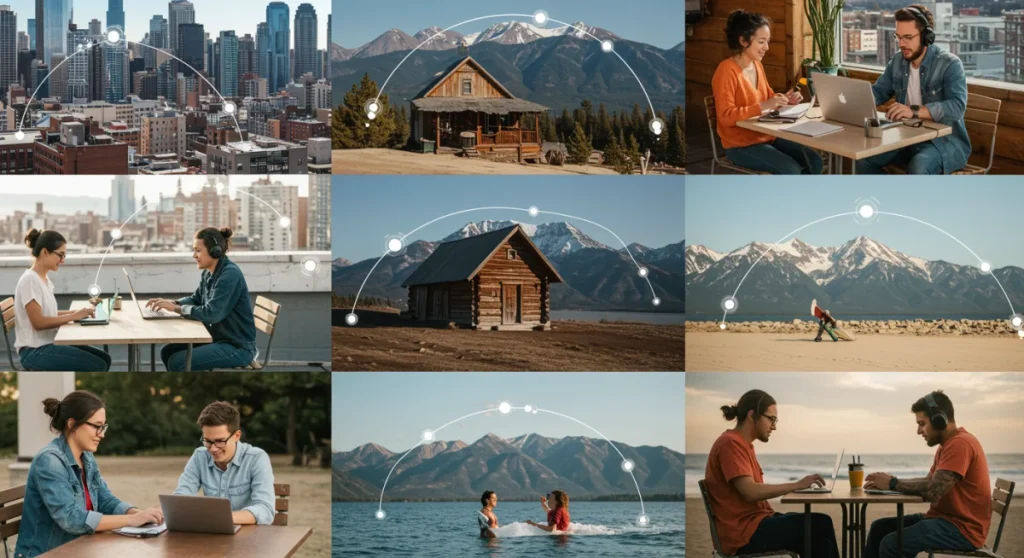
By 2025, the rise of digital nomads in the US is fundamentally reshaping work-life balance, driven by technological advancements and evolving professional priorities, creating both new opportunities and significant challenges for individuals and communities.
The landscape of work is undergoing a profound transformation, and by 2025, the rise of digital nomads in the US is poised to become a defining cultural phenomenon. This isn’t just about working remotely; it’s a lifestyle revolution where technology enables professionals to blend their careers with personal aspirations, untethering them from traditional office spaces. What does this mean for individuals, communities, and the very fabric of American society?
Defining the digital nomad phenomenon in the US
The term ‘digital nomad’ conjures images of laptops on beaches, but its reality in the US is far more nuanced and widespread. It refers to individuals who leverage technology to perform their professional duties from anywhere, choosing location independence as a core tenet of their lifestyle. This movement is gaining significant traction, fueled by advancements in connectivity and a societal shift towards valuing flexibility and experiential living.
By 2025, this demographic is expected to grow exponentially, moving beyond a niche group to a substantial segment of the workforce. They are not merely remote workers; they actively embrace a transient or semi-transient lifestyle, often moving between different cities, states, or even countries, while maintaining their employment or business operations. This redefines traditional notions of community and professional identity.
Key characteristics of US digital nomads
- Location independence: The ability to work from anywhere with an internet connection.
- Technology reliance: Heavy use of digital tools for communication, project management, and task execution.
- Flexible work arrangements: Often self-employed or in roles that offer significant autonomy over schedules.
- Desire for experiences: A core motivation is to explore new places and cultures while working.
Understanding these characteristics is crucial for grasping the broader implications of this trend. It’s a departure from the 9-to-5 office paradigm, emphasizing output and results over physical presence. This shift has profound implications for urban planning, housing markets, and local economies across the nation, as these mobile professionals seek out new hubs and communities that cater to their unique needs and preferences.
Technological drivers accelerating the shift
The rapid evolution of technology is not merely an enabler but a primary accelerator of the digital nomad lifestyle. Without robust internet infrastructure, sophisticated collaboration tools, and cloud-based platforms, the concept of working from anywhere would remain a distant dream. By 2025, these technologies are more pervasive and powerful than ever, making location-independent work not just possible, but often more efficient.
High-speed internet access, including 5G networks, is becoming ubiquitous, providing reliable connectivity even in previously underserved areas. This allows digital nomads to maintain productivity whether they are in a bustling city cafe, a quiet rural retreat, or a temporary rental by the coast. The seamless integration of communication software, project management platforms, and secure cloud storage means teams can operate effectively regardless of their members’ physical locations.
Essential tech for the modern nomad
- Cloud computing: Enables access to files and applications from any device, anywhere.
- Video conferencing tools: Facilitates face-to-face communication, fostering team cohesion.
- Project management software: Keeps distributed teams organized and on track.
- Cybersecurity solutions: Protects sensitive data across various networks and locations.
These technological advancements have democratized access to remote work, breaking down geographical barriers that once confined professionals to specific urban centers. The sophistication and user-friendliness of these tools also mean that the learning curve for adopting a digital nomad lifestyle has significantly decreased, making it an increasingly viable option for a wider range of professions and individuals.
Reshaping work-life balance: a new paradigm
For many, the allure of the digital nomad lifestyle lies in its promise of a radically redefined work-life balance. Traditional boundaries between professional and personal life often blur, but for digital nomads, this blurring is intentional and often optimized to integrate work seamlessly with personal pursuits and travel. By 2025, this pursuit of balance is a major motivator, pushing more Americans to embrace this flexible way of living and working.
The flexibility offered by digital nomadism allows individuals to structure their days around personal well-being, family commitments, or leisure activities that would be impossible with a fixed office schedule. This could mean starting work later after a morning surf, taking an extended lunch break for a hike, or scheduling work hours to align with different time zones for international collaboration. The emphasis shifts from time spent in an office to the successful completion of tasks and projects, fostering a sense of autonomy and control over one’s life.
Benefits of this new balance
- Increased autonomy: Greater control over schedules and work environment.
- Reduced commute stress: Eliminates daily travel, freeing up valuable time.
- Personalized environments: Ability to choose living and working spaces that suit individual preferences.
- Enhanced well-being: Opportunities to integrate hobbies, travel, and personal growth into daily life.
However, this new paradigm also presents its own set of challenges, including the need for strong self-discipline, the potential for isolation, and the constant navigation of different time zones and cultural norms. Yet, for a growing number of Americans, the benefits of this integrated approach to work and life far outweigh the complexities, making it a powerful driver of the digital nomad movement.
Economic impacts on US communities
The influx of digital nomads has significant and multifaceted economic impacts on US communities, particularly those that actively court this demographic. As these location-independent workers spread across the country, they bring with them spending power, skills, and a demand for new services. By 2025, cities and towns are increasingly recognizing the potential to revitalize local economies by attracting these mobile professionals, leading to both opportunities and challenges.
Smaller towns and rural areas, often struggling with population decline and economic stagnation, can experience a boon from digital nomads who seek lower costs of living and a slower pace of life. These newcomers spend money on housing, groceries, local businesses, and services, injecting capital into areas that traditionally see less tourism or investment. This can lead to the creation of new businesses, job opportunities for locals, and an overall boost in economic activity.
Challenges and considerations for local economies
- Housing affordability: Increased demand can drive up housing costs for long-term residents.
- Infrastructure strain: Growing populations may strain existing public services like internet, water, and waste management.
- Cultural integration: Balancing the needs and expectations of new arrivals with established community norms.
- Local business adaptation: Businesses may need to adapt services to cater to a new, diverse clientele.
While the economic benefits are clear, communities must also proactively manage the potential downsides. Thoughtful urban planning, investment in infrastructure, and policies that encourage affordable housing are crucial to ensure that the rise of digital nomads benefits all residents, not just a select few. The goal is to create sustainable, vibrant communities that can seamlessly integrate these new residents while preserving local character.
Challenges and considerations for digital nomads
While the digital nomad lifestyle offers unparalleled freedom and flexibility, it also comes with a unique set of challenges that require careful navigation. These aren’t just minor inconveniences; they can significantly impact well-being, career progression, and financial stability. By 2025, understanding and preparing for these hurdles is essential for anyone considering this path.
One of the primary challenges is maintaining a strong sense of community and combating isolation. While online networks are robust, the lack of a consistent local support system can be taxing. Digital nomads often face the need to constantly rebuild social circles, which can be emotionally draining. Additionally, managing healthcare, taxes, and legal residency across different states or even countries presents complex administrative burdens that traditional employees rarely encounter.
Navigating the complexities of nomadic life
Financial planning is another critical aspect. Income can be inconsistent for freelancers, and even for salaried employees, managing expenses across varying cost-of-living areas requires meticulous budgeting. Beyond finances, maintaining productivity and focus without the structure of a traditional office environment demands significant self-discipline. Distractions are abundant, and the line between work and leisure can easily blur, leading to burnout if not managed effectively.
- Finding stable internet: Critical for work, but not always guaranteed in remote locations.
- Healthcare access: Navigating insurance and medical services when constantly moving.
- Tax implications: Understanding multi-state or international tax obligations.
- Maintaining social connections: Building and sustaining relationships while on the move.
These challenges highlight that the digital nomad lifestyle is not for everyone. It requires resilience, adaptability, and a proactive approach to problem-solving. However, for those who successfully overcome these obstacles, the rewards of freedom, personal growth, and a rich tapestry of experiences can be immensely fulfilling, solidifying its appeal by 2025.
The future landscape: 2025 and beyond
Looking ahead to 2025 and beyond, the digital nomad phenomenon is not a fleeting trend but a fundamental shift in how people approach work and life. Its continued growth will likely lead to significant innovations in urban planning, technology, and social structures. The US is positioned to be a major hub for this movement, attracting both domestic and international digital nomads.
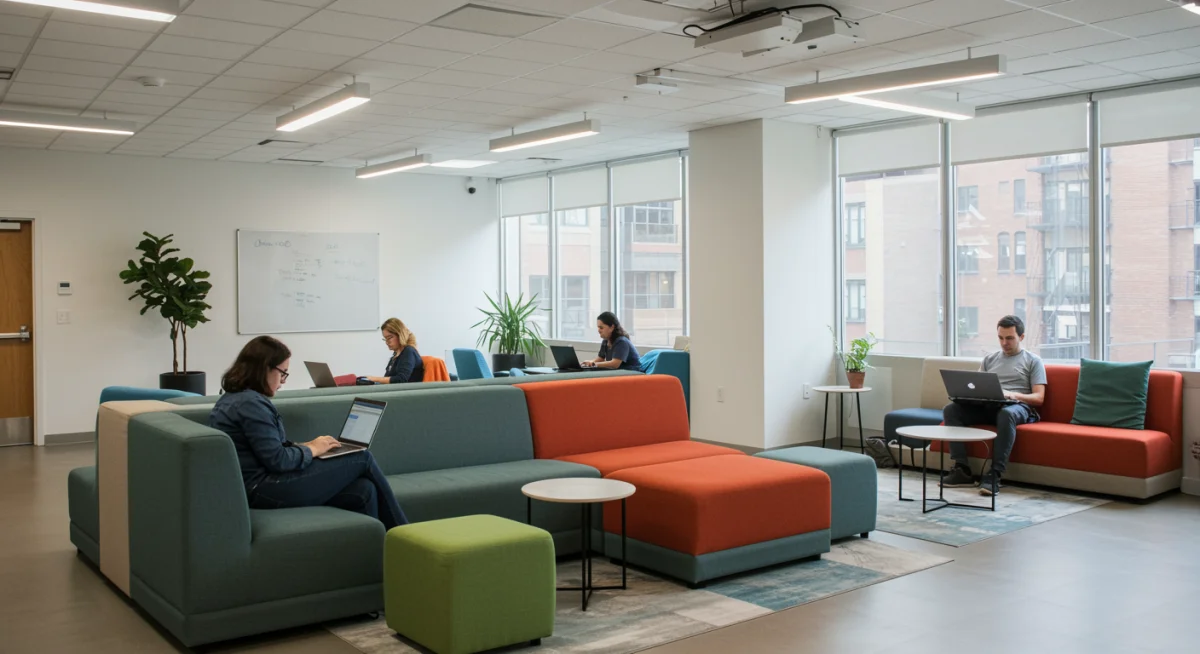
We can anticipate the emergence of more specialized infrastructure, such as dedicated digital nomad villages, co-living spaces designed for mobile professionals, and an expansion of co-working facilities in smaller towns. Governments and local municipalities will likely continue to develop incentives and programs to attract these workers, recognizing their economic contributions. This could include tax breaks, specialized visas for international nomads, and investment in digital infrastructure.
Anticipated developments and trends
- Specialized services: Growth in services tailored to nomads, like banking, insurance, and legal advice.
- Policy adaptations: Governments will adapt tax laws and residency requirements to accommodate the mobile workforce.
- Increased corporate adoption: More companies will offer remote or hybrid roles, expanding the pool of potential nomads.
- Focus on sustainability: A growing emphasis on eco-conscious travel and living among digital nomads.
The cultural impact will also deepen, influencing everything from education to family structures. As more individuals choose this path, it will challenge traditional notions of career progression and community engagement, fostering a more fluid and interconnected society. The digital nomad movement is not just about individuals; it’s about a collective reimagining of what a fulfilling work-life balance truly means in the 21st century.
| Key Aspect | Brief Description |
|---|---|
| Work-Life Balance | Integration of work with personal travel and lifestyle, offering increased autonomy and flexibility. |
| Economic Impact | Revitalization of local economies in smaller towns, but potential strain on housing and infrastructure. |
| Technological Drivers | Ubiquitous high-speed internet, cloud computing, and collaboration tools enable global work. |
| Challenges | Isolation, complex taxes, healthcare, and maintaining productivity without traditional structure. |
Frequently Asked Questions About Digital Nomads in the US
A digital nomad in the US is an individual who uses telecommunications technologies to perform their job remotely, allowing them to live and work from various locations rather than a fixed office. They prioritize location independence and integrate travel or a flexible lifestyle into their professional routine.
Digital nomads can revitalize rural economies through spending and skill injection, but also drive up housing costs in popular areas. Urban centers might see changes in office space demand and a push for more flexible living solutions. Both benefit from diverse perspectives and increased economic activity.
Key challenges include navigating complex state tax laws, securing consistent healthcare, combating potential social isolation, and maintaining work-life boundaries. Reliable internet access in all locations and managing inconsistent income for freelancers are also significant hurdles.
Essential technologies include high-speed internet (5G), cloud-based collaboration tools (e.g., Slack, Zoom), project management software (e.g., Asana, Trello), and secure VPNs for cybersecurity. These tools facilitate seamless communication and productivity regardless of physical location.
Yes, the digital nomad trend is expected to continue growing beyond 2025. Factors like ongoing technological advancements, evolving corporate policies towards remote work, and a persistent desire for greater work-life flexibility will sustain and even accelerate this cultural shift in the US.
Conclusion
The rise of digital nomads in the US by 2025 is more than a fleeting trend; it represents a fundamental re-evaluation of how work integrates with life. This cultural phenomenon, driven by technological innovation and a deep-seated desire for flexibility, is reshaping our understanding of community, economy, and personal well-being. While it presents undeniable challenges, from navigating tax complexities to fostering social connections, the opportunities for personal growth, economic revitalization, and a more balanced existence are profound. As we move forward, the sustained growth of this lifestyle will undoubtedly continue to influence everything from urban development to corporate policy, cementing its place as a defining characteristic of modern American society.